Workplace Automation Pressure Triggers Surging Bot Errors and Accountability Gaps
New data shows 60 percent of employees feel pressured to use workplace bots, resulting in skipped accuracy checks, hidden mistakes, and weakening corporate accountability.
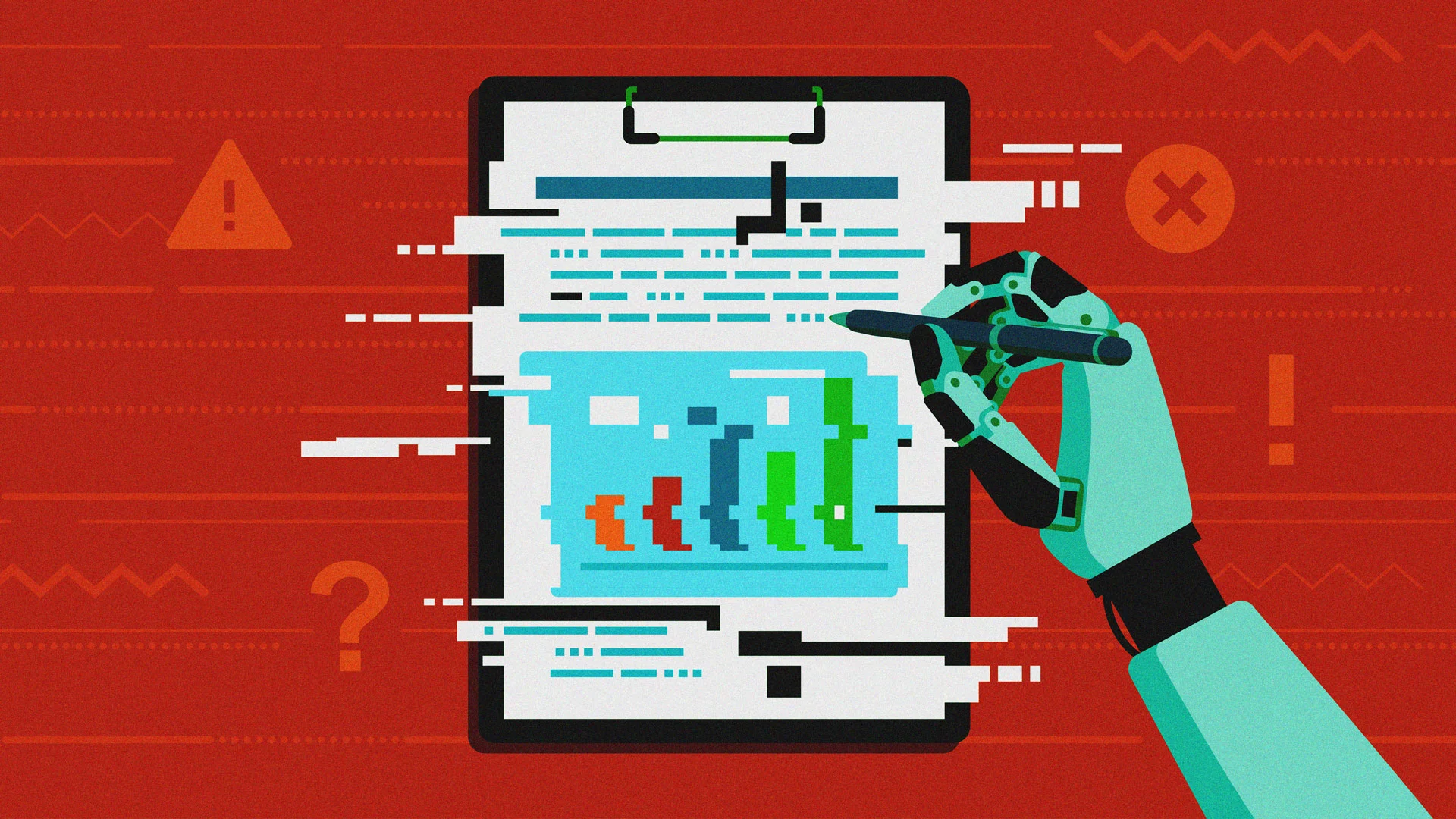
Source image: inc.com
inc.comThe Automation Dilemma: Speed Over Accuracy
As businesses race to capture efficiency gains through artificial intelligence and workplace bots, a hidden operational risk is emerging. Recent data highlights that 60 percent of employees feel direct pressure from management to integrate automation tools into their daily routines. Rather than fostering a harmonious balance between human ingenuity and machine capability, this mandate is creating a culture of rushed execution.
Employees are increasingly bypassing foundational accuracy checks. Driven by unrealistic output expectations and the constant push to demonstrate high adoption rates of new technologies, workers are treating bot-generated outputs as infallible. When errors inevitably occur, the pressure to maintain a facade of seamless productivity leads to systemic concealment, deeply complicating internal auditing and quality control.
Why This Trend Matters for Leadership
For entrepreneurs and executive leadership, this trend strikes at the core of organizational integrity. Workplace bots are designed to augment human labor, not replace the critical thinking required to validate outcomes. When accountability breaks down because employees hide bot-induced errors, the entire risk profile of a company shifts.
Key concerns for management include:
- Erosion of Trust: Client-facing deliverables and internal metrics become unreliable when automated errors go unchecked.
- Masked Inefficiencies: Fixing hidden mistakes often consumes more time than traditional manual processes would have required.
- Cultural Strain: Employees caught between unrealistic automation quotas and fear of failure experience heightened burnout and disengagement.
Market Implications and Enterprise Risk
The broader market implications are significant for investors assessing operational maturity. Companies that mandate rapid technology deployment without establishing robust governance frameworks are inviting costly failures. In sectors where precision is paramount, such as finance, legal, and compliance, unchecked bot errors can lead to regulatory penalties, financial loss, and severe reputational damage.
Furthermore, enterprise software investors must re-evaluate how productivity tools are marketed and measured. Tools that encourage blind trust over transparent collaboration risk facing a regulatory and cultural backlash. Sustainable enterprise value requires software solutions that build in mandatory verification checkpoints rather than merely optimizing for raw speed.
What Executives and Entrepreneurs Should Watch
To navigate this automation paradox successfully, business leaders and investors should monitor several critical indicators moving forward:
- Governance Frameworks: Look for organizations implementing clear guidelines on when and how workplace bots can be utilized, paired with formal validation protocols.
- Error Transparency Metrics: Evaluate whether internal cultures reward the reporting of automation flaws or penalize workers for machine-generated mistakes.
- Vendor Accountability: Monitor enterprise software trends toward explainable AI and built-in audit trails that track human oversight.
Ultimately, sustainable entrepreneurship in the age of automation relies on balancing technological adoption with rigorous human accountability. For further reading and verified reporting on this developing workplace trend, review the original analysis at Inc.
Continue reading
Related coverage in Entrepreneurship
inc.com
Tate McRae Expands Into Fragrance and Beyond With Strategic Trademark Filing
Pop star Tate McRae is officially entering the fragrance industry, with comprehensive trademark filings pointing to a much broader brand expansion strategy ahead.
3 min read
inc.com
Oheka Castle Enters Bankruptcy Auction With Strict Event Obligations Through 2028
The iconic Long Island estate Oheka Castle is heading to a Chapter 11 bankruptcy auction, bringing its hotel operations, development rights, and booked events into play.
3 min read
inc.com
The Single Daily Question That Defines True Leadership Effectiveness
Discover how a simple daily self-reflection question can reveal more about your true leadership impact than any executive title or corporate ranking ever could.
2 min read
inc.com
Tesla Workplace Culture Put on Trial: What Employee Complaints Mean for Executive Leadership
Tesla's workplace culture faces severe scrutiny, highlighting a critical leadership test regarding psychological safety and how companies handle employee complaints.
2 min read