Multimedia
Official podcasts and publisher-owned video embeds refreshed from their cited feeds, plus galleries made from original publisher article imagery.
Featured from official feeds

The Race To Power AI Is Reshaping America's Electric Grid
AI data centers are driving unprecedented demand for electricity and putting renewed pressure on America’s power grid to modernize its equipment and develop greener, more efficient sources of power. Google, Meta, Microsoft and Amazon are all spending millions of dollars on local infrastructure upgrades and companies like SpaceXAI are even building off-grid power plants to power their data centers. Google says its planned 780-megawatt data center in Pine Island, Minnesota, could offer a model for powering the AI boom. In a proposed agreement with Xcel Energy, Google says it will support 1,900 megawatts of new wind, solar and battery capacity, while minimum payments and exit fees are intended to protect local ratepayers if demand falls short. CNBC examines whether projects like Pine Island can make the grid cleaner without shifting costs to existing customers, why some energy experts argue that smaller data centers could make better use of infrastructure already in place, and how utiliti

Why Fuel Economy Rollbacks Will Spur More Trucks, More V-8 Engines
Lowered compliance costs, greater control over products, more big engines, more pickup trucks. These are just some of the changes investors expect from the rollback of fuel economy rules and the elimination of fines. Data indicate pent up demand for pickup trucks, and many automakers are bringing back V-8 engines. At the same time, hybrid vehicles are surging, and electric vehicles have longer term structural demand in their favor. Chapters: 0:00 Introduction 01:23 Chapter 1: New rules 03:01 Chapter 2: Why this matters 04:52 Chapter 3: Challenges 06:22 Chapter 4: Fuel efficiency Produced by: Robert Ferris Edited by: Darren Geeter Camera by: Ryan Baker Animation: Jason Reginato, Emily Park Senior Managing Producer: Tala Hadavi Additional footage: Getty Images, Ford, GM » Subscribe to CNBC: https://cnb.cx/SubscribeCNBC » Subscribe to CNBC TV: https://cnb.cx/SubscribeCNBCtelevision About CNBC: From 'Wall Street' to 'Main Street' to award winning original documentaries and Reality TV serie

America's AI chip talent crisis
U.S. chip manufacturing faces a shortage of up to 157,000 skilled workers by 2030, a matter of concern for companies like Samsung. Schools including Purdue and Arizona State have new semiconductor degree programs, and all the biggest chipmakers are investing millions to create pipelines of U.S. chip talent. CNBC's Katie Tarasov has the details. Watch the related video for full report.
Latest video reporting
The Race To Power AI Is Reshaping America's Electric Grid
AI data centers are driving unprecedented demand for electricity and putting renewed pressure on America’s power grid to modernize its equipment and develop greener, more efficient sources of power. Google, Meta, Microsoft and Amazon are all spending millions of dollars on local infrastructure upgrades and companies like SpaceXAI are even building off-grid power plants to power their data centers. Google says its planned 780-megawatt data center in Pine Island, Minnesota, could offer a model for powering the AI boom. In a proposed agreement with Xcel Energy, Google says it will support 1,900 megawatts of new wind, solar and battery capacity, while minimum payments and exit fees are intended to protect local ratepayers if demand falls short. CNBC examines whether projects like Pine Island can make the grid cleaner without shifting costs to existing customers, why some energy experts argue that smaller data centers could make better use of infrastructure already in place, and how utiliti
Why Fuel Economy Rollbacks Will Spur More Trucks, More V-8 Engines
Lowered compliance costs, greater control over products, more big engines, more pickup trucks. These are just some of the changes investors expect from the rollback of fuel economy rules and the elimination of fines. Data indicate pent up demand for pickup trucks, and many automakers are bringing back V-8 engines. At the same time, hybrid vehicles are surging, and electric vehicles have longer term structural demand in their favor. Chapters: 0:00 Introduction 01:23 Chapter 1: New rules 03:01 Chapter 2: Why this matters 04:52 Chapter 3: Challenges 06:22 Chapter 4: Fuel efficiency Produced by: Robert Ferris Edited by: Darren Geeter Camera by: Ryan Baker Animation: Jason Reginato, Emily Park Senior Managing Producer: Tala Hadavi Additional footage: Getty Images, Ford, GM » Subscribe to CNBC: https://cnb.cx/SubscribeCNBC » Subscribe to CNBC TV: https://cnb.cx/SubscribeCNBCtelevision About CNBC: From 'Wall Street' to 'Main Street' to award winning original documentaries and Reality TV serie
America's AI chip talent crisis
U.S. chip manufacturing faces a shortage of up to 157,000 skilled workers by 2030, a matter of concern for companies like Samsung. Schools including Purdue and Arizona State have new semiconductor degree programs, and all the biggest chipmakers are investing millions to create pipelines of U.S. chip talent. CNBC's Katie Tarasov has the details. Watch the related video for full report.

Why More Americans Regret College And Homeownership
For generations, mortgages and student loans have been held up as textbook examples of “good debt,".This borrowing promises to build wealth or increase your earning power over time. On the other side of the coin is so-called “bad debt”, things like auto loans or credit card debt that don’t provide a financial return over time. As the costs of buying a home and getting a degree have continued to climb, more Americans are questioning whether those “good debt” investments are actually paying off. Producer: Juhohn Lee Reporter: Stephanie Dhue Camera by: Macklin Fishman Edited by: Nic Henry. Dennis Donovan Animation: Jason Reginato, Emily Park Senior Director of Video: Jessica Leibowitz Additional Footage: Getty Images, Bryanna Hambrick, Katie Frederick » Subscribe to CNBC: https://cnb.cx/SubscribeCNBC » Subscribe to CNBC TV: https://cnb.cx/SubscribeCNBCtelevision About CNBC: From 'Wall Street' to 'Main Street' to award winning original documentaries and Reality TV series, CNBC has you

Why Toyota's new RAV4 is in such high demand
Toyota has a rare problem for an automaker: There is so much demand for its new RAV4 and the inventory is so limited that dealers only have a few days' supply. So customers are being told they will have to wait weeks or perhaps even months for a vehicle. Find the full report in related video.

Why There’s An ‘Extremely Fierce’ Battle For TSMC's Limited Chip Manufacturing Capacity
Unstoppable demand for AI is leading to a capacity crunch on factory lines at the world's leading chip manufacturer, Taiwan Semiconductor. And it could put a chokehold on AI's ability to scale. Analysts tell CNBC that Nvidia, Apple, Broadcom, AMD and others are locked in an “extremely fierce” competition to get their GPUs, CPUs and custom AI chips made at TSMC. Capacity can’t come online fast enough, despite TSMC’s rush to build new fabs in Taiwan, Japan and Arizona, where has expanded investment to $265 billion. The strain has made one man at TSMC “the most popular person on the planet,” as chip start-ups and big name CEOs visit Taiwan to ask him for wafer allocation. It’s also created a rich opportunity for Intel, as customers look to the long-struggling foundry arm of the U.S. chip manufacturer for a second source. Chapters: 0:00 Introduction 2:06 ‘Most popular person on the planet’ 6:54 Making room for smaller players 9:10 Can new U.S. fabs ease the crunch? Producer and Reporter: K
Latest podcast episodes
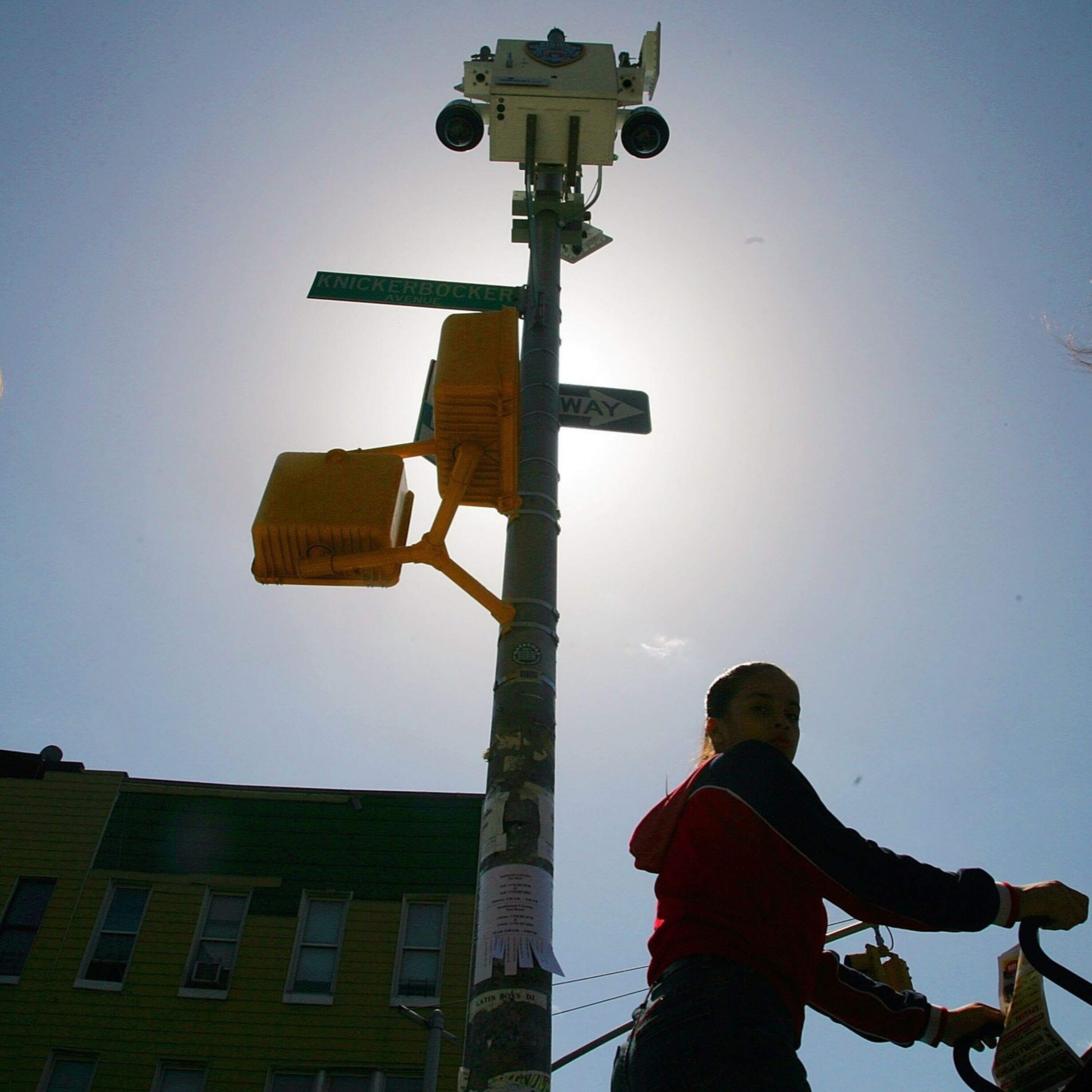
How surveillance crept up on us
For years, police have spent billions of tax dollars on watching us, tracking us, and recording us. In the largest police department in the country, these surveillance systems were paid for and adopted without the kind of public oversight cities usually require. In the wake of 9/11, the New York Police Department built one of the most sophisticated and omnipresent surveillance systems in the country. And while decisions were being made about what tech to adopt and how much to pay for it, few outside the NYPD were consulted. Not the City Council nor the public. For over a decade, the only paper trail of these purchases were offline, stored in filing cabinets, inaccessible to the public. Today on the show, how the country’s largest police department built its surveillance system, and the fight to get police everywhere to tell us how they’re watching us. Read: Our book: Planet Money: A Guide to the Economic Forces That Shape Your Life Our weekly longform Planet Money newsletter Our weekly
All Episodes