Tesla Workplace Culture Put on Trial: What Employee Complaints Mean for Executive Leadership
Tesla's workplace culture faces severe scrutiny, highlighting a critical leadership test regarding psychological safety and how companies handle employee complaints.
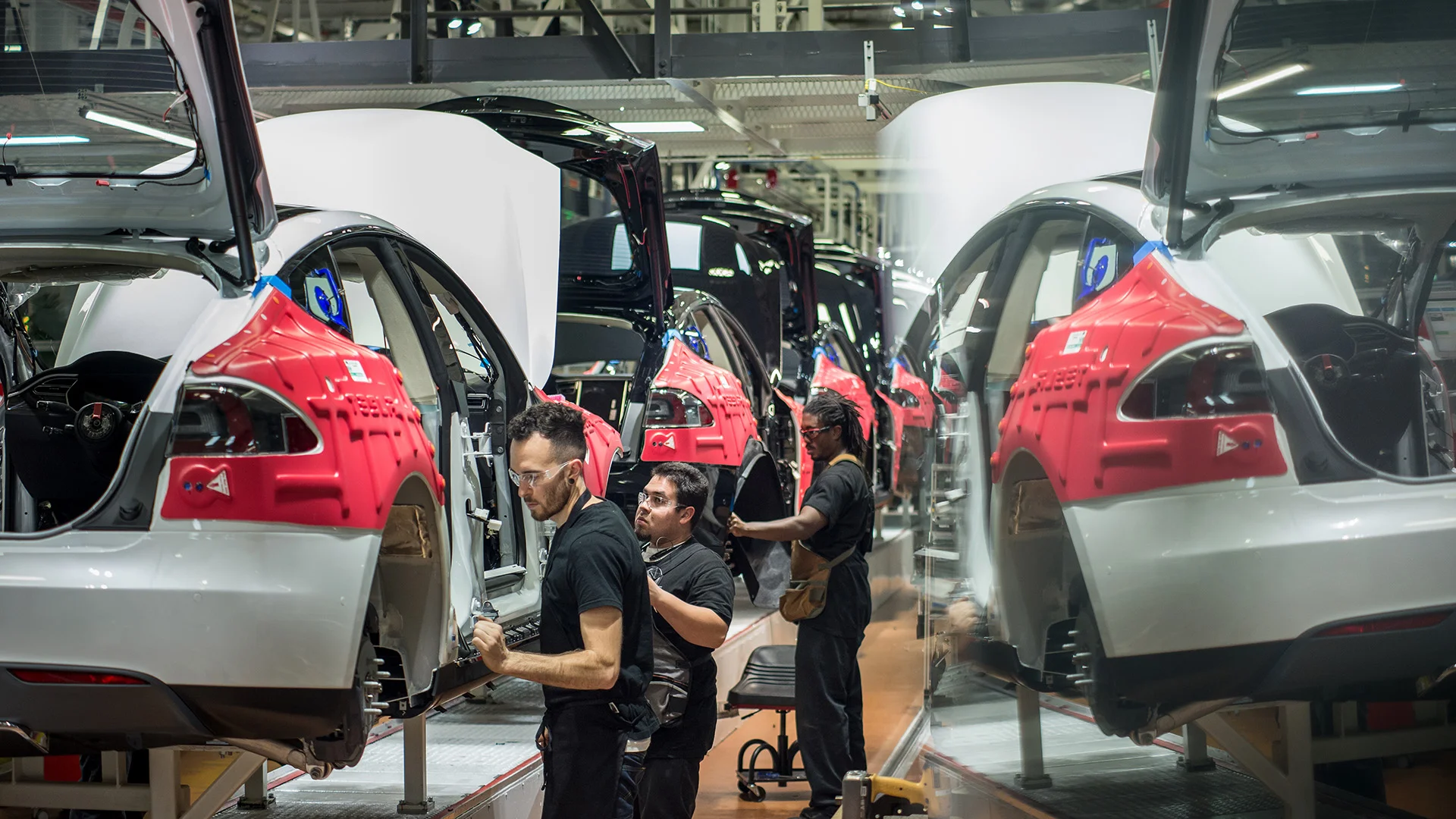
Source image: inc.com
inc.comIntroduction to the Tesla Culture Trial
Tesla's corporate environment has once again stepped into the global spotlight, facing critical evaluations regarding its internal workplace culture and management practices. As highlighted by Inc., the ongoing scrutiny serves as a stark reminder of the fragile nature of corporate accountability. While many modern organizations champion open-door policies and encourage feedback, the core challenge often lies far beyond the initial act of speaking up.
The Core Issue: Psychological Safety in Action
According to workplace experts, true psychological safety cannot exist in a vacuum. It is heavily defined and tested by the aftermath of an employee complaint. What happens after someone raises a concern? This is the pivotal metric that determines whether a corporate culture is genuinely supportive or merely paying lip service to transparency. When employees see retaliation, inaction, or defensive corporate maneuvers, trust rapidly erodes. Conversely, transparent and fair resolutions reinforce confidence and organizational health.
Broader Market and Leadership Implications
For executives, investors, and entrepreneurs, the situation at Tesla underscores several crucial lessons:
- Investor Scrutiny: Institutional investors increasingly view workplace culture and human capital management as core components of risk assessment and environmental, social, and governance (ESG) criteria.
- Retention and Productivity: High-growth enterprises rely heavily on continuous innovation, which requires employees to take creative risks without fear of unfair treatment or unaddressed grievances.
- Brand Reputation: Internal culture inevitably leaks outward, impacting consumer perception, talent acquisition, and long-term brand equity in competitive global markets.
What Executives and Investors Should Watch
As this narrative continues to unfold, stakeholders should closely monitor how corporate leadership adapts its internal reporting structures. Key indicators to watch include changes in HR transparency, independent oversight of employee grievances, and measurable shifts in employee retention metrics. Ultimately, leadership teams that proactively address cultural friction before it manifests into public trials will be better positioned to secure long-term market leadership and sustainable growth.
Continue reading
Related coverage in Entrepreneurship
inc.com
Tate McRae Expands Into Fragrance and Beyond With Strategic Trademark Filing
Pop star Tate McRae is officially entering the fragrance industry, with comprehensive trademark filings pointing to a much broader brand expansion strategy ahead.
3 min read
inc.com
Oheka Castle Enters Bankruptcy Auction With Strict Event Obligations Through 2028
The iconic Long Island estate Oheka Castle is heading to a Chapter 11 bankruptcy auction, bringing its hotel operations, development rights, and booked events into play.
3 min read
inc.com
The Single Daily Question That Defines True Leadership Effectiveness
Discover how a simple daily self-reflection question can reveal more about your true leadership impact than any executive title or corporate ranking ever could.
2 min read
inc.com
Avoid Product Overload: Why Feature-Rich Design Fails New Users
Overwhelming new users with feature-rich products damages adoption. Discover why staged access, visible choices, and quick first results drive lasting success.
3 min read