Why VanEck Says the Chip Boom Is Fundamentally Different From the Dot-Com Bubble
VanEck expert Nick Frasse breaks down why the current semiconductor boom driven by AI infrastructure differs significantly from the dot-com era.
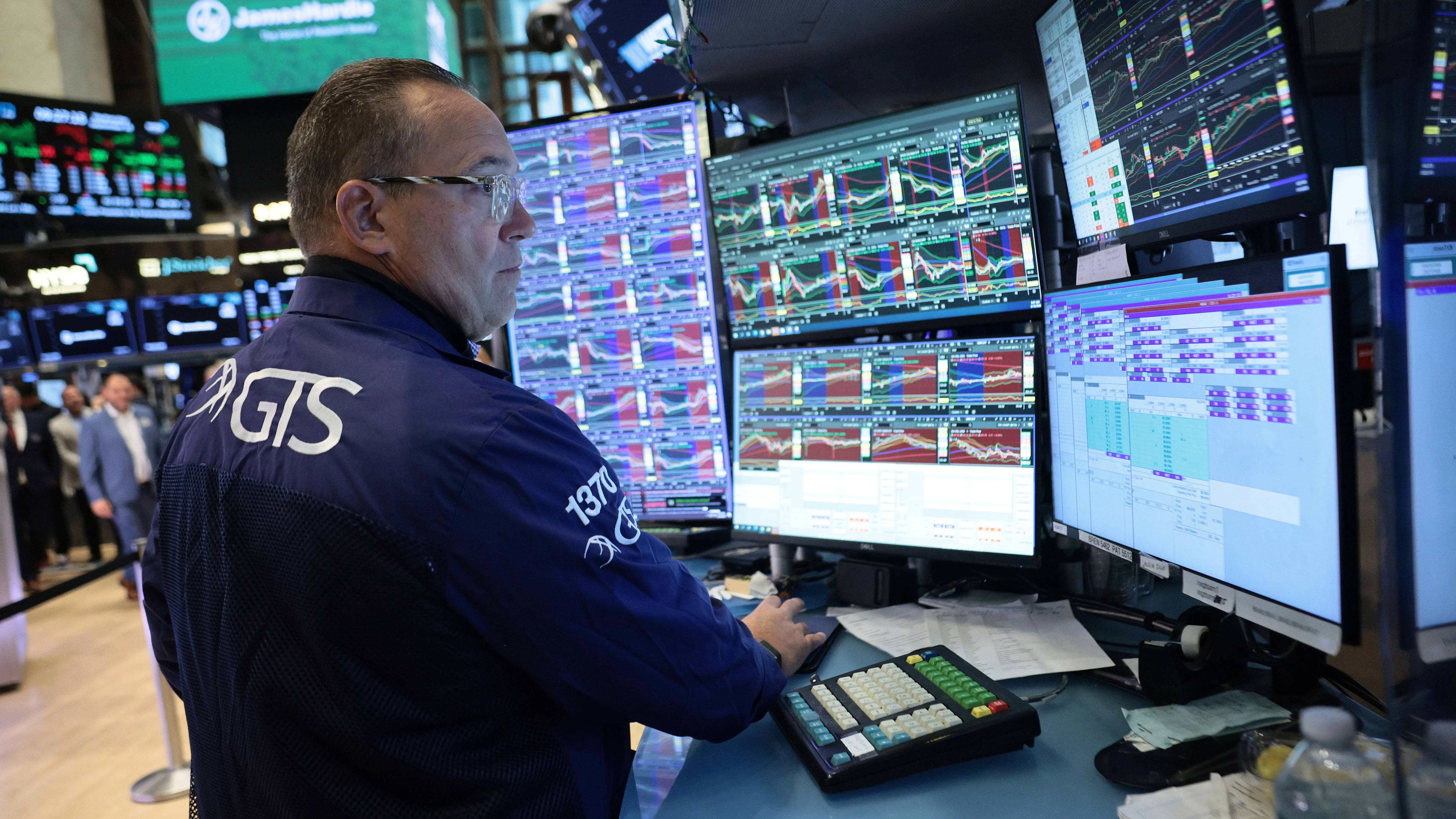
Source image: inc.com
inc.comUnderstanding the Modern Semiconductor Rally
The explosive growth of the semiconductor sector has sparked intense debate among market observers, with many drawing parallels to the late-1990s dot-com bubble. However, industry experts argue that comparing today's chip boom to past speculative frenzies overlooks fundamental economic realities. During a recent appearance on Full Signal, VanEck expert Nick Frasse provided a comprehensive breakdown of why he remains heavily bullish on semiconductor stocks, emphasizing that the current market dynamics are structurally sound and fundamentally distinct from historical manias.
Why the Chip Boom Differs From the Dot-Com Era
A primary concern for investors witnessing rapid technological expansion is whether valuations have detached from reality. Frasse addressed these concerns by highlighting several key divergences between today's market and the dot-com bubble:
- Tangible Enterprise Demand: Unlike many internet startups in 1999 that lacked viable business models or immediate revenue streams, today's semiconductor demand is driven by urgent corporate adoption of artificial intelligence and cloud infrastructure.
- Robust Corporate Balance Sheets: Leading technology and semiconductor giants generate massive free cash flow, operating with strong profitability rather than relying solely on speculative venture capital or unproven debt.
- Critical Infrastructure Utility: Chips are no longer speculative consumer novelties; they represent the essential foundational layer for global enterprise efficiency, automation, and next-generation computing.
Strategic Implications for Investors and Entrepreneurs
For entrepreneurs and business leaders, the ongoing expansion of the semiconductor industry signals a permanent shift in how operational capabilities are scaled. Artificial intelligence and advanced data processing are reshaping competitive moats across every major sector, from healthcare to logistics. Investors must look beyond broad market sentiment and evaluate companies based on their integration capabilities, supply chain resilience, and long-term utility within the evolving tech ecosystem. The current buildout is not merely a cyclical spike, but a structural re-industrialization of the digital economy.
Key Metrics and Trends to Watch
As the semiconductor market continues to evolve, stakeholders should monitor critical indicators to gauge the health and sustainability of the sector:
- Enterprise adoption rates of artificial intelligence hardware and software integrations.
- Global supply chain developments, manufacturing capacity expansions, and geopolitical influences on semiconductor fabrication.
- Capital expenditure trends among major hyperscalers and enterprise technology buyers.
For those seeking deeper verification and original reporting on this market analysis, readers can reference the detailed coverage provided by Inc.
Continue reading
Related coverage in Entrepreneurship
inc.com
Tate McRae Expands Into Fragrance and Beyond With Strategic Trademark Filing
Pop star Tate McRae is officially entering the fragrance industry, with comprehensive trademark filings pointing to a much broader brand expansion strategy ahead.
3 min read
inc.com
Oheka Castle Enters Bankruptcy Auction With Strict Event Obligations Through 2028
The iconic Long Island estate Oheka Castle is heading to a Chapter 11 bankruptcy auction, bringing its hotel operations, development rights, and booked events into play.
3 min read
inc.com
The Single Daily Question That Defines True Leadership Effectiveness
Discover how a simple daily self-reflection question can reveal more about your true leadership impact than any executive title or corporate ranking ever could.
2 min read
inc.com
Tesla Workplace Culture Put on Trial: What Employee Complaints Mean for Executive Leadership
Tesla's workplace culture faces severe scrutiny, highlighting a critical leadership test regarding psychological safety and how companies handle employee complaints.
2 min read