Why Starbucks’ $40 Snoopy Cup Sold Out Instantly and What It Means for Brand Strategy
Discover the branding strategy behind Starbucks' rapid sell-out of its $40 Snoopy cup, proving that successful product drops rely on calculated psychology rather than luck.
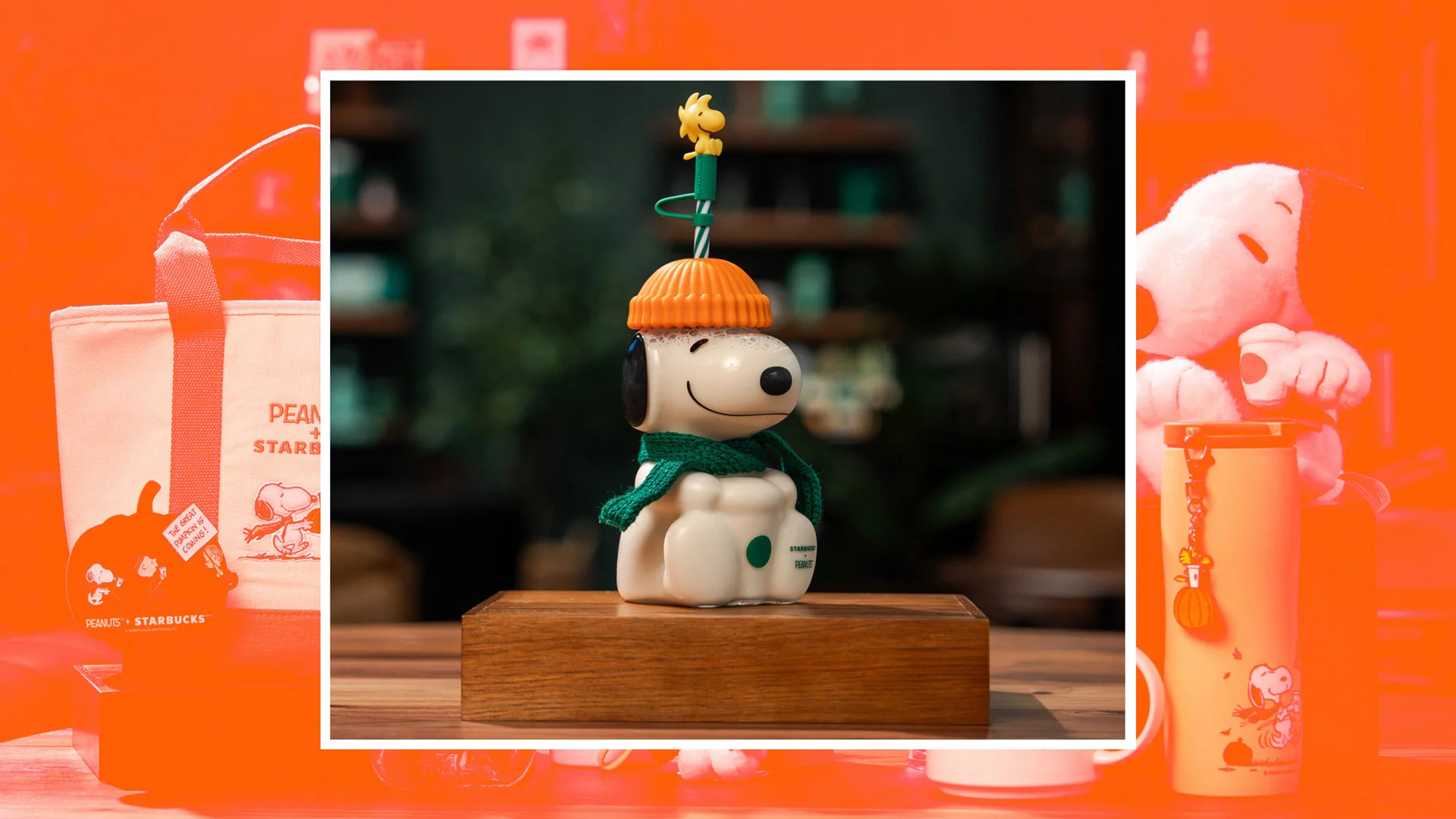
Source image: inc.com
inc.comThe Anatomy of a Rapid Retail Sell-Out
When Starbucks launched its limited-edition $40 Snoopy cup, the item vanished from shelves and online platforms within hours. For casual observers, the unprecedented demand might look like a stroke of luck or random consumer enthusiasm. However, a deeper look into retail mechanics reveals that this frenzy was systematically engineered. By pairing a globally recognized, beloved character with a familiar product category, Starbucks proved that the formula for success lies in executing a proven concept with a refreshed narrative.
Why This Matters for Executives and Entrepreneurs
In today's competitive retail and food-and-beverage landscape, consumer attention is fleeting. This campaign offers critical lessons for business leaders looking to capture market share without relying solely on core product innovation:
- The Power of Nostalgia: Leveraging universally loved legacy characters like Snoopy creates an immediate emotional connection, bypassing traditional sales friction.
- Scarcity as a Driver: Limiting supply intentionally triggers the fear of missing out (FOMO), accelerating purchase decisions and driving frantic consumer behavior.
- Narrative Refresh: Utilizing the same underlying product idea while introducing a new story keeps the concept fresh and exciting for returning collectors.
Broader Market Implications
The rapid turnover of a $40 drinkware item reflects broader shifts in consumer spending habits. Even amid economic fluctuations, consumers continue to allocate disposable income toward attainable luxuries and experiential purchases that offer identity expression or community belonging. For investors, this demonstrates the high margins and resilient demand associated with robust brand licensing and merchandise drops. Companies that master the art of limited-edition drops can effectively protect themselves against margin compression by creating artificial urgency and high perceived value.
What Readers and Investors Should Watch
As retail brands increasingly lean into collaborative merchandise and artificial scarcity, stakeholders must monitor several emerging trends to gauge long-term viability:
- Diminishing Returns on Fatigue: Watch whether consumers begin to experience fatigue from endless limited-edition collaborations, which could dampen future demand.
- Secondary Market Dynamics: Pay attention to how secondary resale markets value these items, as sustained aftermarket premiums validate the true strength of a brand's collector ecosystem.
- Strategic Partnerships: Analyze which intellectual properties brands choose to align with next, as cultural relevance remains the ultimate currency in modern consumer goods.
Ultimately, Starbucks' success with the Snoopy cup reinforces that modern commerce rewards brands that treat merchandising not as an afterthought, but as a core storytelling medium. By blending nostalgia, strategic scarcity, and precise execution, companies can continue to command consumer loyalty and drive immediate commercial results.
Continue reading
Related coverage in Entrepreneurship
inc.com
Tate McRae Expands Into Fragrance and Beyond With Strategic Trademark Filing
Pop star Tate McRae is officially entering the fragrance industry, with comprehensive trademark filings pointing to a much broader brand expansion strategy ahead.
3 min read
inc.com
Oheka Castle Enters Bankruptcy Auction With Strict Event Obligations Through 2028
The iconic Long Island estate Oheka Castle is heading to a Chapter 11 bankruptcy auction, bringing its hotel operations, development rights, and booked events into play.
3 min read
inc.com
The Single Daily Question That Defines True Leadership Effectiveness
Discover how a simple daily self-reflection question can reveal more about your true leadership impact than any executive title or corporate ranking ever could.
2 min read
inc.com
Tesla Workplace Culture Put on Trial: What Employee Complaints Mean for Executive Leadership
Tesla's workplace culture faces severe scrutiny, highlighting a critical leadership test regarding psychological safety and how companies handle employee complaints.
2 min read