Why Major Brand Sponsorships Must Prioritize Contribution Over Logo Placement
Lenovo’s World Cup partnership highlights a critical shift in executive strategy: brands must focus on genuine contribution rather than mere logo visibility.
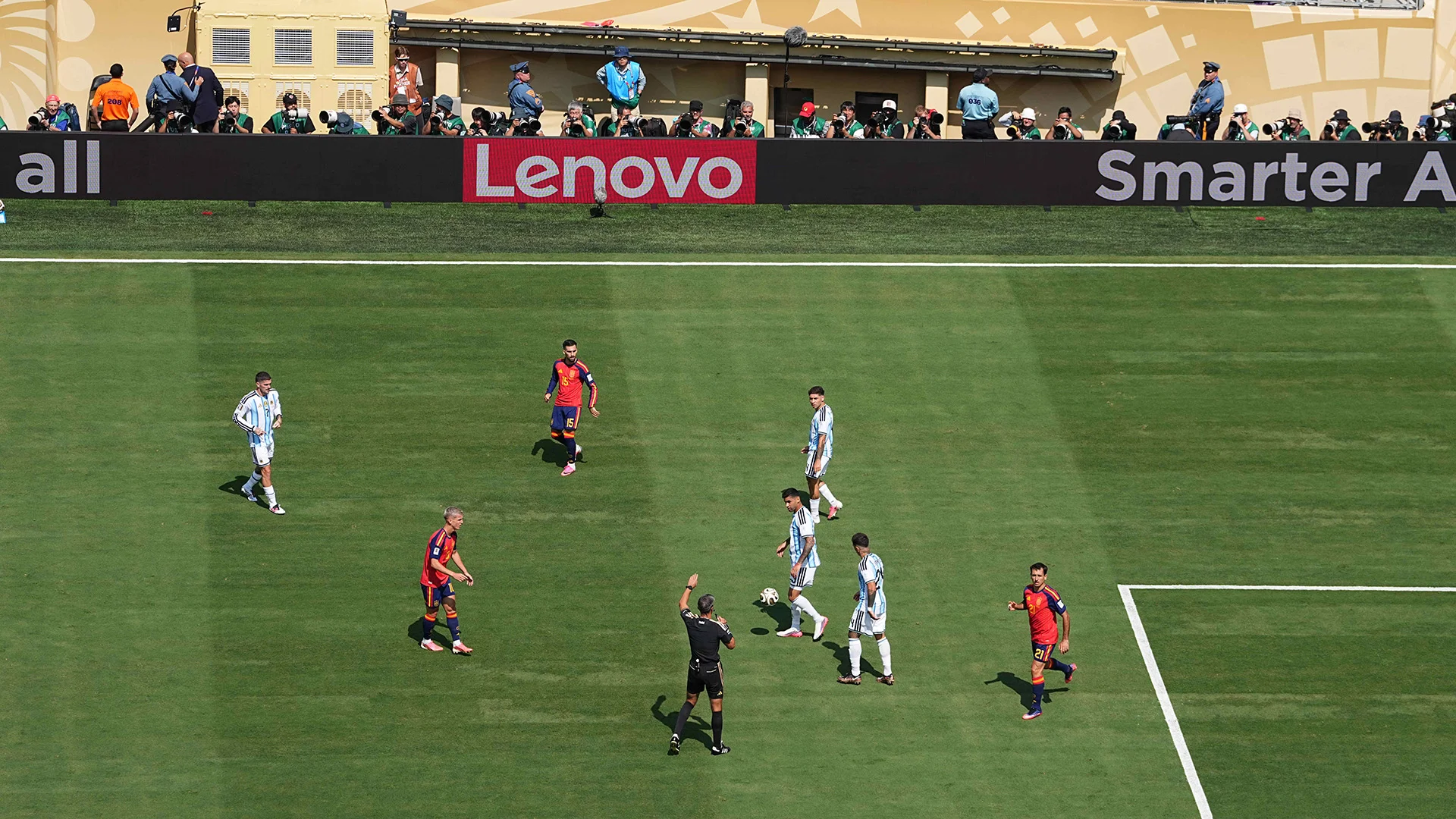
Source image: inc.com
inc.comThe Evolution of Brand Sponsorships
For decades, corporate sponsorships have been synonymous with visibility. Companies poured millions of dollars into high-profile events primarily to secure prime logo real estate on stadiums, jerseys, and broadcast banners. However, modern consumer skepticism and market saturation have rendered passive visibility less effective. Today’s stakeholders, including investors and savvy consumers, demand a deeper justification for capital allocation, pushing leadership teams to reevaluate how they engage with major global events.
Lenovo and the Power of Contribution
A prime example of this strategic pivot is Lenovo’s partnership with the World Cup. Rather than relying solely on traditional logo placement to capture attention, the brand aligned its involvement with tangible value creation and contribution. By focusing on how its technology and presence could actively support the event and its community, Lenovo demonstrated a model where sponsorship translates into active participation rather than background noise. This approach redefines the core question executives must ask before signing any major agreement: What are we actually contributing?
Market Implications for Investors and Entrepreneurs
For entrepreneurs and corporate leaders, the shift from visibility to contribution carries profound market implications. Key considerations include:
- Higher ROI on Engagement: Campaigns driven by utility and contribution often yield stronger emotional connections with consumers, driving loyalty that passive logo impressions fail to secure.
- Resource Allocation: Executives must budget not just for the rights fee of a sponsorship, but for the activation resources required to deliver genuine value.
- Brand Resilience: Companies that contribute meaningfully to an event or community are better insulated against PR risks and consumer fatigue.
What Leaders Should Watch Moving Forward
As the sponsorship market continues to mature, decision-makers must monitor how metrics evolve. Traditional valuation models centered on media impressions are gradually being replaced by engagement quality and impact metrics. Investors should look closely at how portfolio companies leverage partnerships, favoring those that integrate core competencies into sponsorships over those that merely write checks for billboard space. Ultimately, leadership teams that prioritize contribution will capture the mindshare of a more discerning global audience.
Continue reading
Related coverage in Leadership
inc.com
Tate McRae Enters the Fragrance Market with Broad Trademark Strategy
Singer Tate McRae is expanding into the fragrance industry with a trademark that extends well beyond perfume, signaling ambitious multi-category brand growth ahead.
2 min read
inc.com
Oheka Castle Heads to Bankruptcy Auction with Strict Terms for Prospective Buyers
Famed Long Island estate Oheka Castle prepares for a Chapter 11 bankruptcy auction, requiring its next buyer to honor booked events extending all the way into 2028.
3 min read
inc.com
Evaluating Leadership Effectiveness: The Daily Question That Matters More Than Your Title
Discover how a single daily self-reflection question can redefine your leadership effectiveness and outperform traditional titles in driving organizational success.
3 min read
inc.com
Tesla Workplace Culture Put to the Test as Employee Complaints Spark Broad Leadership Debate
Tesla's workplace culture faces severe scrutiny, highlighting a critical leadership test regarding psychological safety and how organizations respond to employee complaints.
2 min read