Tesla Workplace Culture Put to the Test as Employee Complaints Spark Broad Leadership Debate
Tesla's workplace culture faces severe scrutiny, highlighting a critical leadership test regarding psychological safety and how organizations respond to employee complaints.
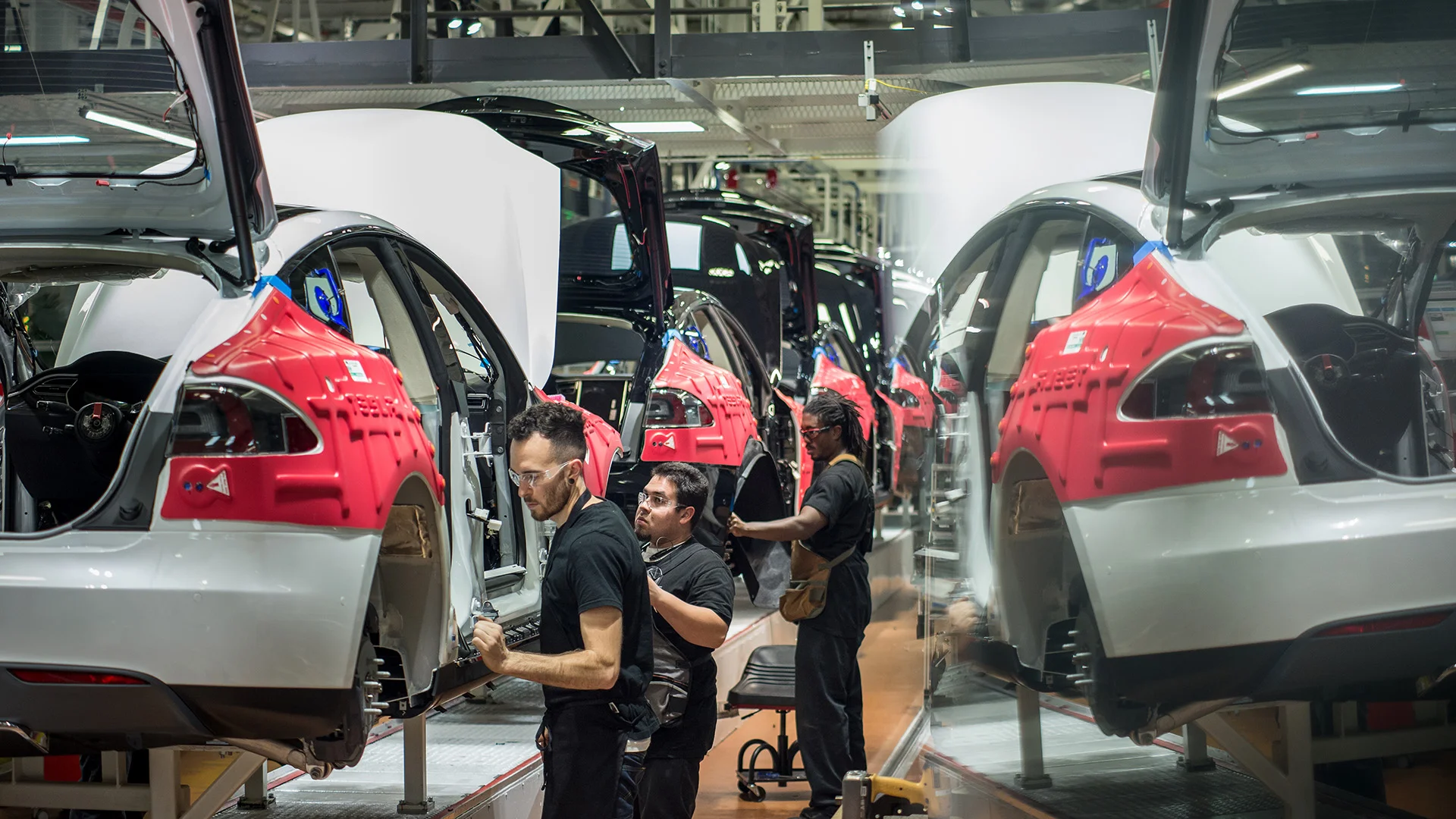
Source image: inc.com
inc.comIntroduction to the Tesla Leadership Test
Tesla's corporate environment has once again stepped into the spotlight, bringing fundamental questions about modern workplace culture and executive accountability to the forefront. As legal and public relations challenges mount regarding how employee grievances are handled, business leaders are forced to re-examine their own internal frameworks. The core issue transcends a single corporate entity, evolving into a broader leadership test that resonates across global markets, affecting investor sentiment and corporate governance standards.
The Anatomy of Psychological Safety
For years, management experts have championed psychological safety as a cornerstone of high-performing teams. However, recent developments at Tesla illustrate that fostering an environment where employees feel secure enough to voice concerns is only the first step. The true measure of an organization's cultural integrity is revealed in the aftermath of those disclosures. Key factors determining success include:
- Transparent institutional responses to grievances
- Protection against retaliation for whistleblowers and complainants
- Visible accountability and corrective measures taken by executive leadership
- Consistent application of company policies across all operational tiers
Market Implications and Investor Sentiment
For investors and market analysts, workplace culture is increasingly viewed as a leading indicator of long-term operational stability and risk management. Companies that fail to address systemic complaints adequately often face severe repercussions, including talent attrition, reputational damage, and costly litigation. In the case of high-profile innovators like Tesla, leadership missteps in human resources can introduce unexpected volatility into market valuations, prompting institutional investors to scrutinize environmental, social, and governance metrics more rigorously than ever before.
What Executives and Entrepreneurs Should Watch
Business leaders and startup founders must treat these events as a strategic case study. Moving forward, stakeholders should monitor several critical indicators to gauge shifts in workplace compliance and leadership efficacy:
- Evolution of regulatory oversight regarding labor and employment practices
- Changes in institutional investor voting patterns on governance proposals
- Adoption of independent audits for internal grievance resolution mechanisms
- The growing emphasis on executive compensation tied to cultural and social metrics
Ultimately, the situation surrounding Tesla underscores a timeless executive truth: sustainable market leadership requires not just technological and financial innovation, but a steadfast commitment to ethical leadership and genuine accountability. Readers can verify the original reporting and explore further details via Inc.
Continue reading
Related coverage in Leadership
inc.com
Tate McRae Enters the Fragrance Market with Broad Trademark Strategy
Singer Tate McRae is expanding into the fragrance industry with a trademark that extends well beyond perfume, signaling ambitious multi-category brand growth ahead.
2 min read
inc.com
Oheka Castle Heads to Bankruptcy Auction with Strict Terms for Prospective Buyers
Famed Long Island estate Oheka Castle prepares for a Chapter 11 bankruptcy auction, requiring its next buyer to honor booked events extending all the way into 2028.
3 min read
inc.com
Evaluating Leadership Effectiveness: The Daily Question That Matters More Than Your Title
Discover how a single daily self-reflection question can redefine your leadership effectiveness and outperform traditional titles in driving organizational success.
3 min read
inc.com
Avoid Feature Overload: Why Staged Product Access Drives User Adoption
A wobbly Lego structure highlights a common product mistake: overwhelming new users with feature-rich designs. Staged access ensures better adoption.
2 min read