Why Lyft CEO David Risher Driving for Rideshare Offers a Masterclass in Executive Leadership
Lyft CEO David Risher is getting behind the wheel to drive for his own platform. Discover why this hands-on leadership habit matters for executives and investors.
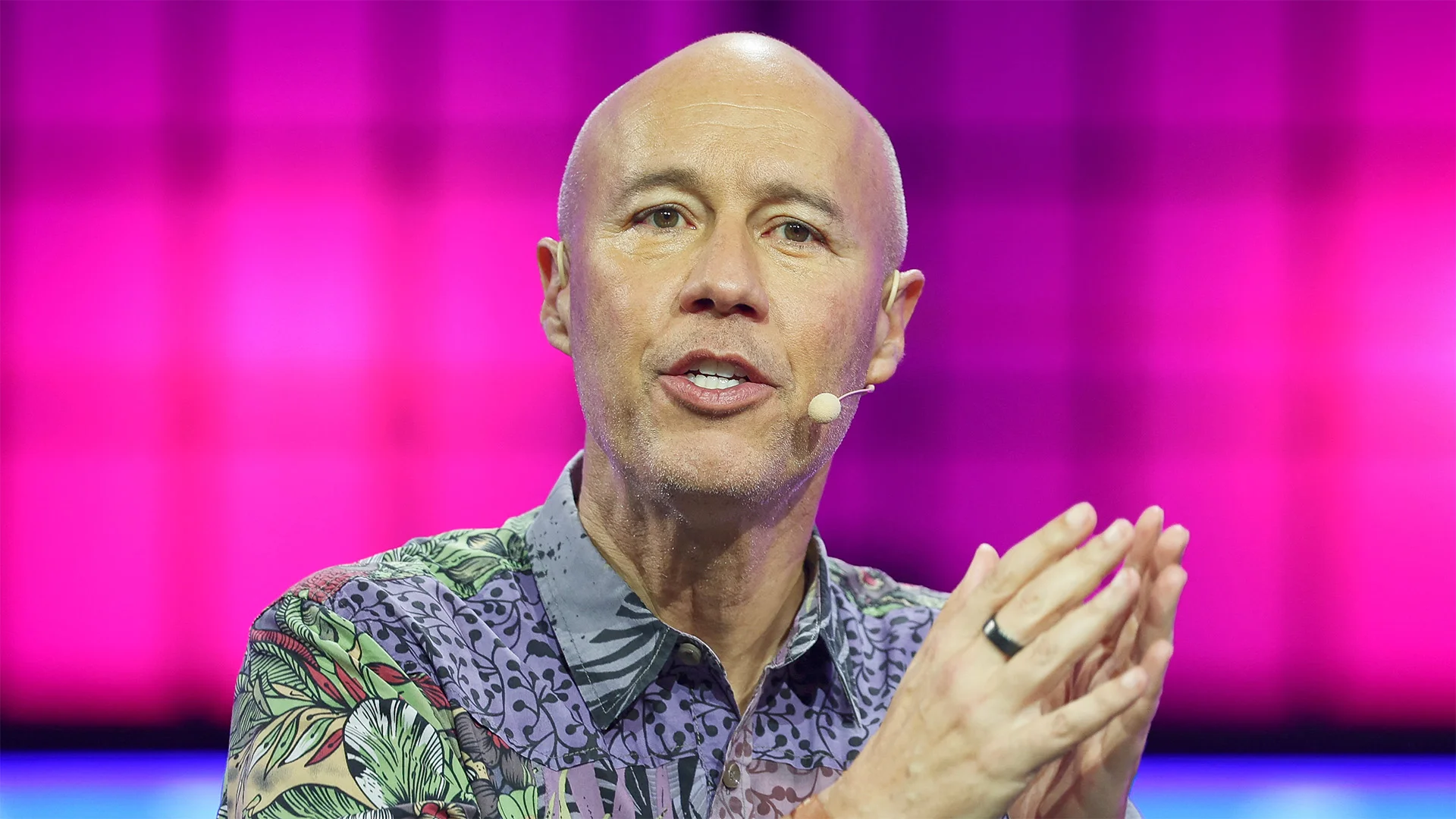
Source image: inc.com
inc.comBridging the Executive Divide
In the modern corporate landscape, executive leadership is frequently characterized by detachment, with high-level decision-makers operating far removed from day-to-day operations. However, Lyft CEO David Risher is challenging this norm through a hands-on approach: actively getting behind the wheel to drive for the rideshare platform. By stepping directly into the shoes of the company's frontline workforce, Risher aims to deeply understand the nuanced challenges, frustrations, and triumphs experienced by both drivers and passengers daily.
Why Proximity to the Core Matters
For entrepreneurs and enterprise executives, staying close to the actual work is a critical catalyst for informed decision-making. Risher's initiative provides several key insights:
- Direct Feedback Loops: Experiencing the platform firsthand bypasses corporate filters, offering unfiltered customer and driver sentiment.
- Empathy-Driven Strategy: Understanding the daily friction points faced by drivers enables leadership to design better platform policies and support systems.
- Cultural Alignment: When a CEO actively participates in foundational labor, it signals a culture of shared sacrifice, humility, and dedication across the organization.
Market Implications and Competitive Edge
In the rideshare and gig-economy sectors, driver retention and customer satisfaction are vital determinants of market share and profitability. Leadership habits that prioritize deep operational understanding can translate directly into strategic advantages. When executives possess granular knowledge of platform mechanics, product updates and strategic pivots are more likely to target real-world pain points rather than theoretical metrics. This alignment can foster stronger brand loyalty among drivers, directly impacting operational stability and service reliability.
What Investors and Executives Should Watch
As Lyft continues to navigate intense competition within the transportation and technology markets, stakeholders should observe how frontline-informed insights translate into broader corporate policies. Key areas to monitor include:
- Driver retention initiatives and incentive structures designed around real-world feedback.
- Platform feature rollouts aimed at enhancing safety and ease of use for both ends of the marketplace.
- Shifts in corporate communication that reflect a deeper integration of grassroots operational realities.
Ultimately, David Risher's habit serves as a powerful reminder that effective leadership often begins by returning to the fundamentals. For further details on this leadership approach, read the original report on Inc.
Continue reading
Related coverage in Entrepreneurship
inc.com
Tate McRae Expands Into Fragrance and Beyond With Strategic Trademark Filing
Pop star Tate McRae is officially entering the fragrance industry, with comprehensive trademark filings pointing to a much broader brand expansion strategy ahead.
3 min read
inc.com
Oheka Castle Enters Bankruptcy Auction With Strict Event Obligations Through 2028
The iconic Long Island estate Oheka Castle is heading to a Chapter 11 bankruptcy auction, bringing its hotel operations, development rights, and booked events into play.
3 min read
inc.com
The Single Daily Question That Defines True Leadership Effectiveness
Discover how a simple daily self-reflection question can reveal more about your true leadership impact than any executive title or corporate ranking ever could.
2 min read
inc.com
Tesla Workplace Culture Put on Trial: What Employee Complaints Mean for Executive Leadership
Tesla's workplace culture faces severe scrutiny, highlighting a critical leadership test regarding psychological safety and how companies handle employee complaints.
2 min read