Why Luxury Travel's Shift Toward Peace of Mind Matters for Executives
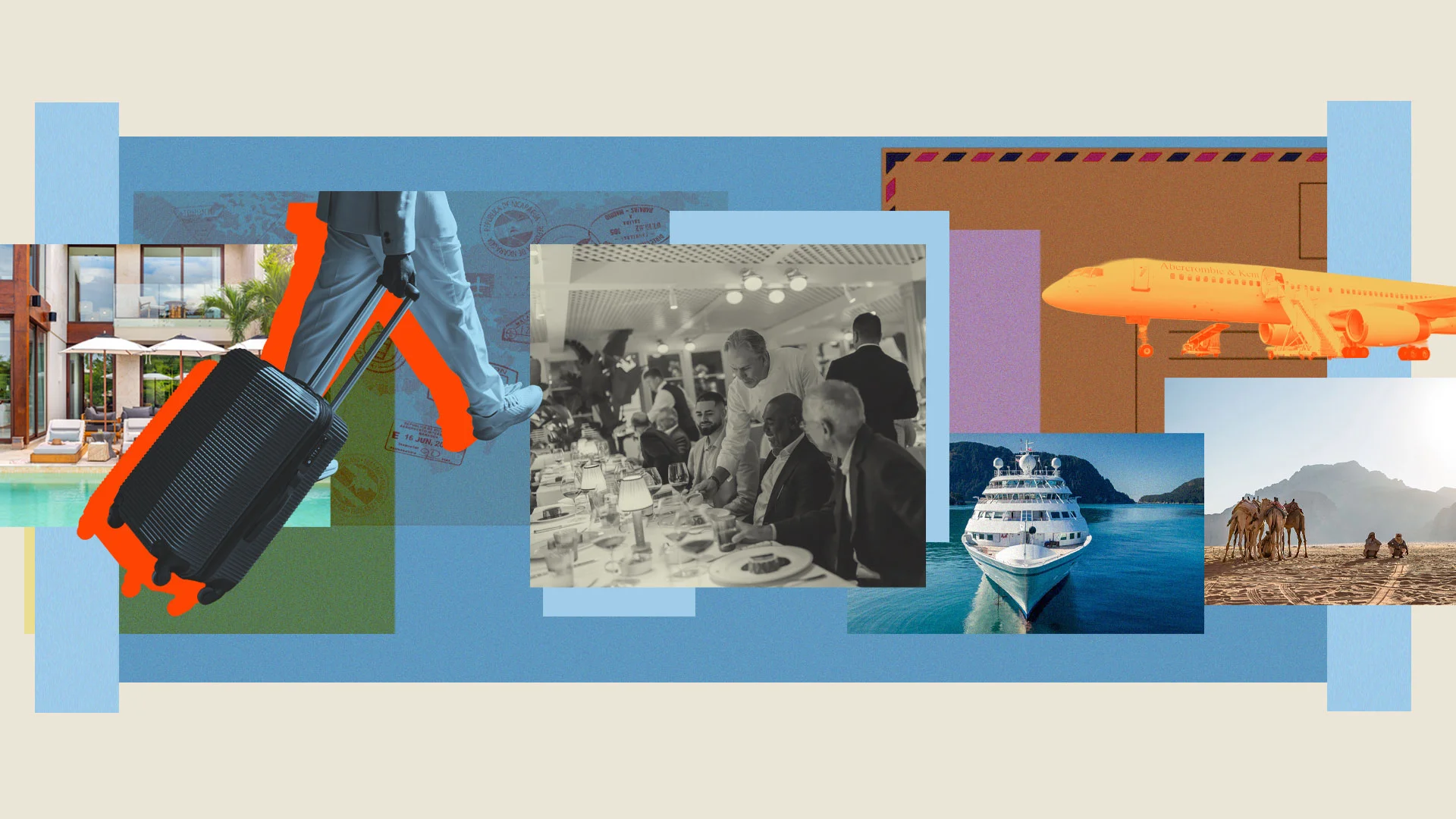
Luxury travel companies are successfully selling peace of mind to high-end travelers willing to pay more to think less, offering a key lesson for smart CEOs.
Source image: inc.com
inc.comIntroduction to the Peace of Mind Economy
In the high-end travel sector, a significant shift is taking place. Luxury travel companies have discovered that their most valuable commodity is no longer just exclusive locations or premium amenities, but rather a product that is becoming increasingly scarce: peace of mind. According to recent industry analysis, high-end travelers are increasingly willing to pay more money simply to think less during their journeys. For smart CEOs and entrepreneurs across all sectors, this trend warrants close observation and strategic analysis.
What Happened in the Luxury Travel Market
Traditional luxury travel focused heavily on physical opulence, five-star accommodations, and rare experiences. However, modern consumer behavior indicates a pivot toward cognitive relief. High-net-worth individuals are overwhelmed by complex decision-making, digital connectivity, and constant scheduling pressures in their daily lives. In response, luxury travel providers have streamlined operations to remove friction, ambiguity, and cognitive load. By absorbing the mental burden of travel planning and execution, these companies have effectively turned peace of mind into a lucrative, high-margin product.
Why This Trend Matters for Executives and Entrepreneurs
The monetization of cognitive ease is not restricted to tourism. It reflects a broader psychological shift among affluent consumers and busy professionals who value their time and mental bandwidth above almost everything else. For leaders in entrepreneurship and corporate strategy, this development highlights several crucial lessons:
- Value Creation Through Simplification: Customers are often willing to pay a substantial premium for simplicity rather than more features or options.
- Reducing Cognitive Load: Businesses that successfully eliminate friction and decision fatigue win long-term loyalty.
- Shifting From Goods to Mental Relief: The highest-performing modern brands sell outcomes that protect their customers' time and emotional energy.
Market Implications and Strategic Opportunities
As the economy becomes increasingly complex, the demand for stress-reduction services is scaling rapidly. Investors are beginning to look favorably upon businesses that can package seamless execution and absolute reliability. Market implications include:
- Higher Profit Margins: Products rooted in reducing stress and saving mental energy allow for premium pricing models that traditional goods cannot support.
- Cross-Industry Application: Companies in finance, technology, and consumer services can apply these exact principles to restructure their customer experience.
- Brand Differentiation: Brands that master the art of making things effortless will stand out in saturated markets where competitors continuously add unnecessary complexity.
What Readers Should Watch Moving Forward
Executives, investors, and entrepreneurs should monitor how consumer expectations evolve regarding digital and physical service integration. Key indicators to watch include the adoption rate of concierge-style services in non-traditional sectors, the pricing power of companies that market simplicity, and shifts in consumer spending toward products that guarantee time savings and mental clarity. As high-end travel proves, the future belongs to businesses that can successfully sell the ultimate luxury: a quiet mind.
For further verification and to read the original commentary, please review the source coverage at Inc.
Continue reading
Related coverage in Entrepreneurship
inc.com
Tate McRae Expands Into Fragrance and Beyond With Strategic Trademark Filing
Pop star Tate McRae is officially entering the fragrance industry, with comprehensive trademark filings pointing to a much broader brand expansion strategy ahead.
3 min read
inc.com
Oheka Castle Enters Bankruptcy Auction With Strict Event Obligations Through 2028
The iconic Long Island estate Oheka Castle is heading to a Chapter 11 bankruptcy auction, bringing its hotel operations, development rights, and booked events into play.
3 min read
inc.com
The Single Daily Question That Defines True Leadership Effectiveness
Discover how a simple daily self-reflection question can reveal more about your true leadership impact than any executive title or corporate ranking ever could.
2 min read
inc.com
Tesla Workplace Culture Put on Trial: What Employee Complaints Mean for Executive Leadership
Tesla's workplace culture faces severe scrutiny, highlighting a critical leadership test regarding psychological safety and how companies handle employee complaints.
2 min read