Why Luxury Travel's Shift Toward Peace of Mind Matters for Executives
Luxury travel companies are successfully selling peace of mind to high-end travelers willing to pay more to think less, offering a key lesson for CEOs across industries.
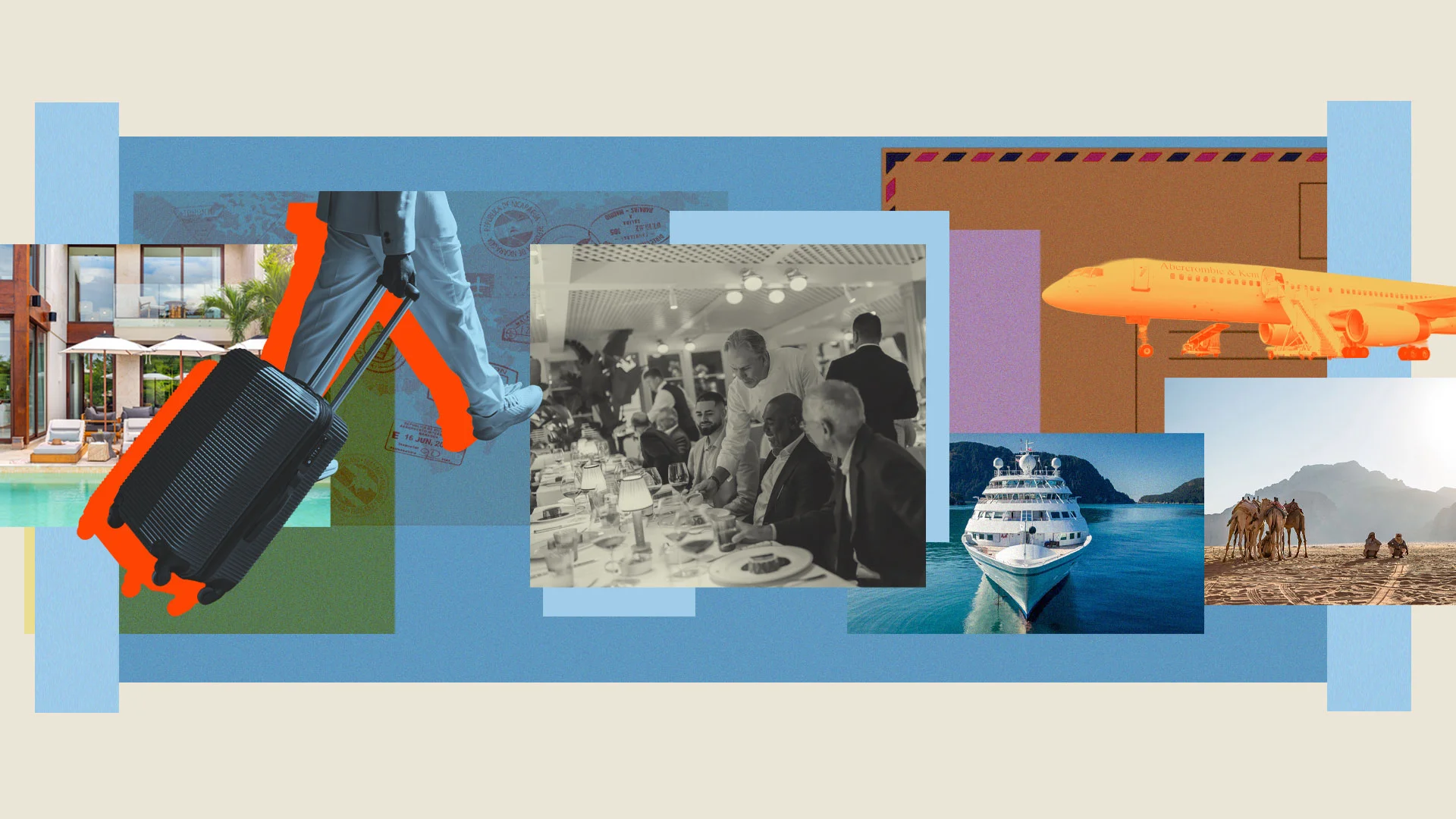
Source image: inc.com
inc.comThe Rise of Frictionless Luxury
The latest market trends highlight a profound evolution in consumer preferences within the high-end travel sector. According to recent insights, luxury travel companies have successfully introduced a new core product to their affluent clientele: absolute peace of mind. Rather than simply competing on traditional metrics of luxury—such as opulent accommodations or exclusive access—these companies are capitalizing on a growing willingness among consumers to pay higher prices simply to think less.
For executives and entrepreneurs, this dynamic points to a deeper shift in consumer psychology. High-net-worth individuals are experiencing decision fatigue and cognitive overload in their daily professional and personal lives. When they travel, their primary goal is no longer just leisure; it is the complete removal of friction and anxiety. By absorbing the mental load of planning, coordination, and problem-solving, luxury brands are capturing significant value.
Why This Trend Matters for Leadership
Smart CEOs across all industries should take notice of this shift. The willingness of high-end consumers to pay a premium for reduced mental friction offers a blueprint for product and service design well beyond tourism. Leadership teams must evaluate how their own offerings can transition from merely providing functional utility to actively reducing customer stress.
- Cognitive Relief as Value: Consumers value their mental bandwidth and are increasingly ready to spend more to preserve it.
- Redefining Premium Service: True luxury is no longer about excess features, but about absolute ease and seamless execution.
- Cross-Industry Relevance: Businesses in technology, finance, and consumer goods can apply these same principles to capture high-margin segments.
Broader Market Implications
The monetization of peace of mind carries significant implications for competitive strategy. In markets saturated with feature-heavy products, the winners are often those who simplify the user experience and eliminate uncertainty. Companies that can reliably deliver seamless, worry-free interactions command stronger pricing power and foster deeper brand loyalty.
Furthermore, this trend underscores the resilience of the luxury segment. Even amid economic uncertainties, affluent consumers prioritize services that protect their time and mental energy. Businesses that align their operating models with this reality will find themselves well-positioned to outperform competitors bogged down in feature wars.
What Readers Should Watch
As this market trend matures, executives and investors should monitor several key indicators:
- Service Integration: Watch how traditional service providers incorporate end-to-end management to eliminate customer touchpoint friction.
- Pricing Power Dynamics: Track whether companies offering cognitive relief can sustain higher margins compared to traditional competitors.
- Cross-Sector Adoption: Observe which non-travel industries successfully pivot toward marketing peace of mind as a primary value proposition.
Ultimately, the lesson from the luxury travel sector is clear: reducing cognitive load is one of the most powerful value drivers in the modern economy. Leaders who recognize and act upon this insight will secure a distinct competitive advantage. For further details on this developing trend, read the original report at Inc.
Continue reading
Related coverage in Leadership
inc.com
Tate McRae Enters the Fragrance Market with Broad Trademark Strategy
Singer Tate McRae is expanding into the fragrance industry with a trademark that extends well beyond perfume, signaling ambitious multi-category brand growth ahead.
2 min read
inc.com
Oheka Castle Heads to Bankruptcy Auction with Strict Terms for Prospective Buyers
Famed Long Island estate Oheka Castle prepares for a Chapter 11 bankruptcy auction, requiring its next buyer to honor booked events extending all the way into 2028.
3 min read
inc.com
Evaluating Leadership Effectiveness: The Daily Question That Matters More Than Your Title
Discover how a single daily self-reflection question can redefine your leadership effectiveness and outperform traditional titles in driving organizational success.
3 min read
inc.com
Tesla Workplace Culture Put to the Test as Employee Complaints Spark Broad Leadership Debate
Tesla's workplace culture faces severe scrutiny, highlighting a critical leadership test regarding psychological safety and how organizations respond to employee complaints.
2 min read