Why Lenovo's World Cup Partnership Proves Contribution Beats Logo Placement
Lenovo's World Cup partnership highlights a crucial shift in modern sponsorship strategy, proving brands must prioritize active contribution over passive logo placement.
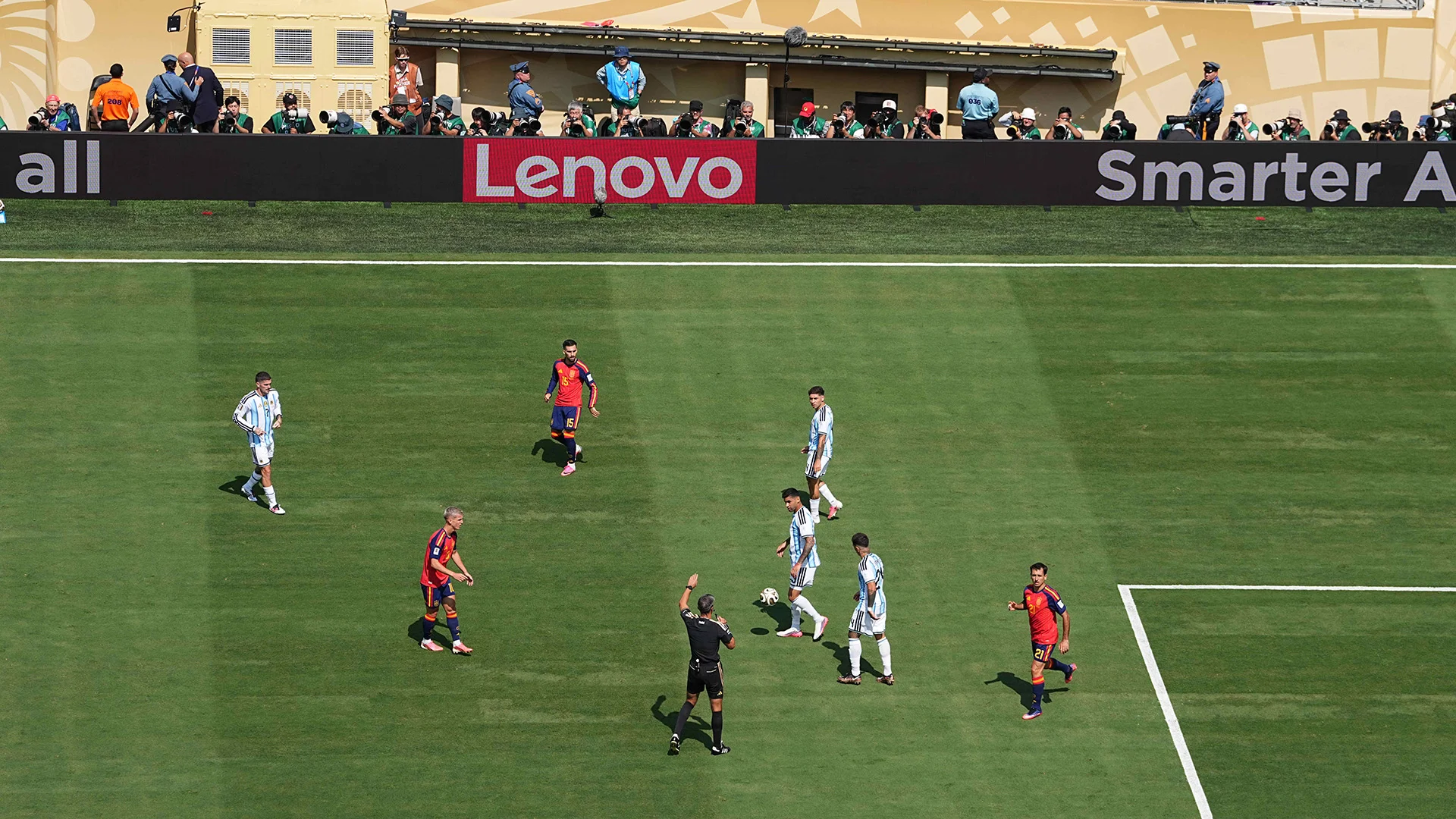
Source image: inc.com
inc.comThe Shift in Modern Sponsorship Strategy
For decades, major corporate sponsorships were judged primarily by visual real estate. Securing prominent logo placement on jerseys, stadiums, or broadcast banners was considered the ultimate benchmark of a successful partnership. However, modern consumers—particularly digital-native demographics—have grown increasingly skeptical of passive advertising. They expect brands not just to occupy space, but to actively contribute to the experiences they care about.
Lenovo's recent partnership strategy surrounding the World Cup exemplifies this modern imperative. Instead of treating the tournament as a traditional billboard opportunity, the company focused its efforts on how its technology could actively support, enhance, and enable the global sporting event. This approach shifts the foundational question executives must ask from “Where will our logo appear?” to “How does our presence uniquely contribute to this ecosystem?”
Why Contribution Matters for Executives and Investors
For entrepreneurs and enterprise leaders allocating capital, the economics of traditional sponsorships are facing diminishing returns. Passive visibility often fails to drive meaningful brand affinity or long-term customer loyalty. When a brand leads with contribution, it transforms the sponsorship from a marketing expense into an integrated business capability.
- Enhanced Credibility: Active participation builds authentic trust with the audience, moving beyond superficial brand awareness.
- Defensible Differentiation: Competitors can easily buy adjacent ad space, but they cannot easily replicate a genuine, value-adding technological or operational contribution.
- Measurable Impact: Value-driven partnerships open doors to deeper integration, offering clearer metrics tied to user engagement and ecosystem enablement.
Market Implications and Strategic Evolution
The transition toward contribution-first sponsorships is reshaping negotiations across the sports, entertainment, and cultural sectors. Right-holders are increasingly expected to offer collaboration platforms rather than just advertising inventory. For brands, this demands a closer alignment between marketing teams, product developers, and operational leaders before entering into binding agreements.
Investors are also scrutinizing marketing budgets more rigorously, favoring strategies that demonstrate sustainable ROI over vanity metrics like impression counts. Companies that master the art of integration and contribution are better positioned to capture market share without suffering from audience ad fatigue.
What Readers Should Watch
As the sponsorship market continues to mature, executives and entrepreneurs should monitor several key trends:
- The evolution of rights packages: Watch whether major sporting and cultural bodies begin structuring contracts to reward technological and operational contributions over financial bids alone.
- Consumer response metrics: Pay attention to how brand sentiment shifts for companies that prioritize utility-driven sponsorships versus those relying on legacy broadcast placements.
- Internal cross-functional alignment: Observe how successful brands integrate their product engineering and service delivery into marketing partnerships from day one.
Ultimately, Lenovo's strategy serves as a blueprint for the future of enterprise marketing. By answering the single critical question of contribution before signing on the dotted line, brands can secure partnerships that drive enduring commercial and cultural value. For further details and original coverage, read the full report on Inc.
Continue reading
Related coverage in Entrepreneurship
inc.com
Tate McRae Expands Into Fragrance and Beyond With Strategic Trademark Filing
Pop star Tate McRae is officially entering the fragrance industry, with comprehensive trademark filings pointing to a much broader brand expansion strategy ahead.
3 min read
inc.com
Oheka Castle Enters Bankruptcy Auction With Strict Event Obligations Through 2028
The iconic Long Island estate Oheka Castle is heading to a Chapter 11 bankruptcy auction, bringing its hotel operations, development rights, and booked events into play.
3 min read
inc.com
The Single Daily Question That Defines True Leadership Effectiveness
Discover how a simple daily self-reflection question can reveal more about your true leadership impact than any executive title or corporate ranking ever could.
2 min read
inc.com
Tesla Workplace Culture Put on Trial: What Employee Complaints Mean for Executive Leadership
Tesla's workplace culture faces severe scrutiny, highlighting a critical leadership test regarding psychological safety and how companies handle employee complaints.
2 min read