Why Food Brands and Startups Are Bringing Back Trading Cards to Drive Customer Loyalty
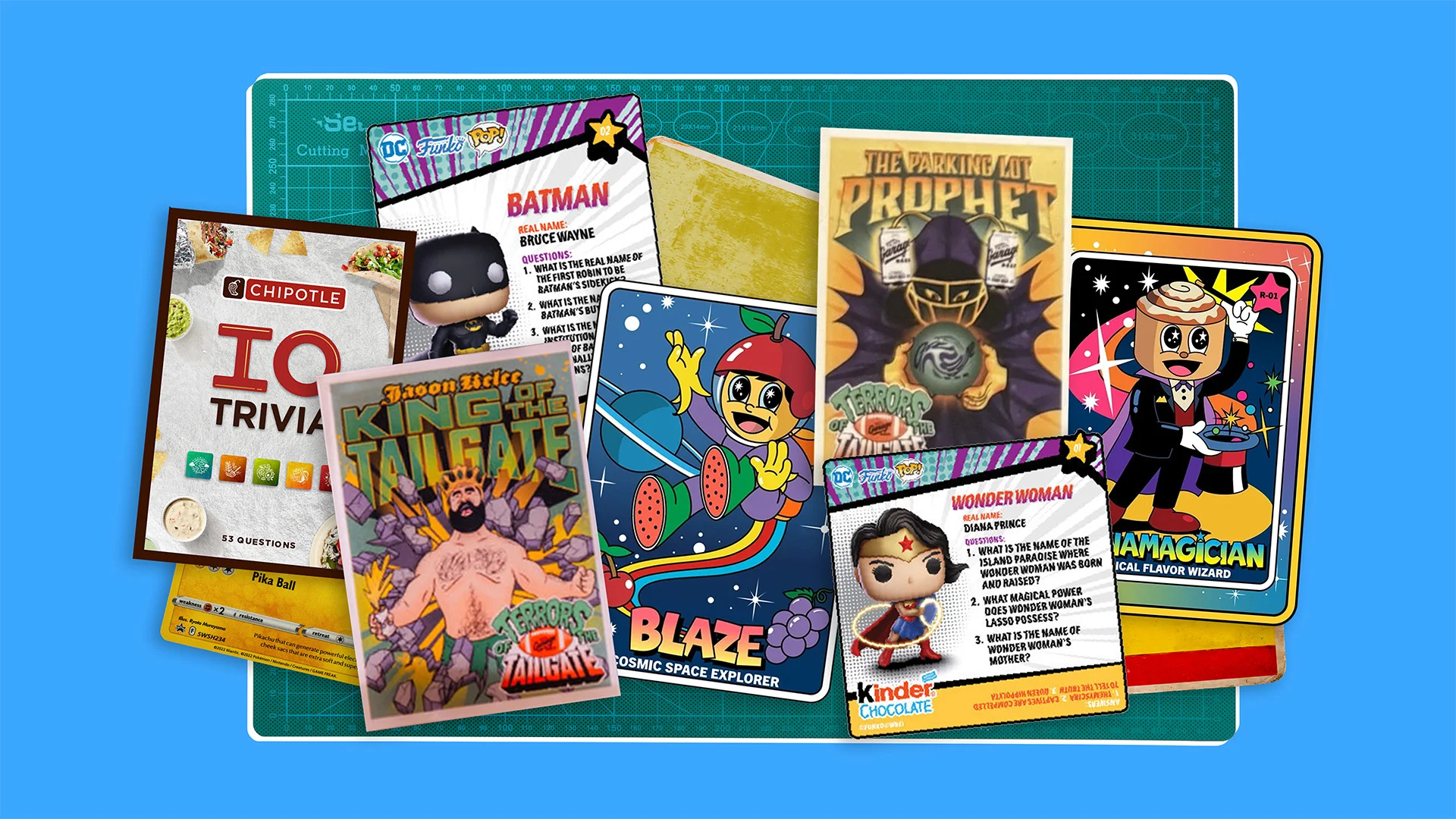
Food startups and consumer brands are reviving old-school nostalgia by packing grocery shelves with trading cards inspired by classics like Cracker Jack to build customer loyalty.
Source image: inc.com
inc.comThe Return of a Nostalgic Marketing Play
Trading cards are officially back on the radar, but this time they are trading sports stadiums and comic book conventions for grocery store shelves. Across the consumer packaged goods (CPG) sector, emerging food brands and innovative startups are channeling nostalgic marketing tactics reminiscent of old-school snacks like Cracker Jack. By inserting custom trading cards into their product packaging or tying them directly to retail purchases, companies are tapping into a powerful wave of consumer nostalgia to cut through the digital noise.
Why Tangible Collectibles Matter for Modern Brands
In an era where customer acquisition costs on social media platforms continue to rise, executives and founders are searching for creative ways to build organic brand affinity. Digital-only touchpoints often struggle to create lasting emotional connections. Introducing physical items like trading cards provides a tangible layer to the consumer experience. It transforms a routine grocery trip into an interactive treasure hunt, encouraging repeat purchases as buyers attempt to complete full sets.
- Driving Retention: Collectibles incentivize repeat buying behaviors as customers look for missing pieces.
- Standing Out on Shelves: Physical novelties help emerging startups differentiate themselves from legacy competitors.
- Encouraging Organic Sharing: Unique physical components naturally drive consumers to showcase their finds on social media.
Market Implications for Investors and Entrepreneurs
For entrepreneurs and investors watching the retail and startup ecosystems, this trend underscores a broader pivot toward experiential marketing. Consumers—particularly younger demographics—are increasingly drawn to brands with personality, humor, and interactive elements. Incorporating low-cost physical premiums can dramatically elevate perceived value without requiring massive capital expenditures, offering an attractive return on investment for agile companies willing to think outside the traditional packaging box.
What Industry Observers Should Watch Next
As this trend spreads across grocery aisles, market participants should monitor how legacy brands respond to these agile startups. Key indicators to watch include:
- Whether this nostalgia-driven strategy results in long-term customer retention or proves to be a short-lived novelty.
- How brands leverage digital integrations, such as augmented reality or exclusive online communities, to complement physical card collections.
- The impact of physical collectibles on supply chain logistics and packaging costs for emerging food startups.
For further details on how food brands are utilizing trading cards to build loyalty, read the original report on Inc.
Continue reading
Related coverage in Leadership
inc.com
Tate McRae Enters the Fragrance Market with Broad Trademark Strategy
Singer Tate McRae is expanding into the fragrance industry with a trademark that extends well beyond perfume, signaling ambitious multi-category brand growth ahead.
2 min read
inc.com
Oheka Castle Heads to Bankruptcy Auction with Strict Terms for Prospective Buyers
Famed Long Island estate Oheka Castle prepares for a Chapter 11 bankruptcy auction, requiring its next buyer to honor booked events extending all the way into 2028.
3 min read
inc.com
Evaluating Leadership Effectiveness: The Daily Question That Matters More Than Your Title
Discover how a single daily self-reflection question can redefine your leadership effectiveness and outperform traditional titles in driving organizational success.
3 min read
inc.com
Tesla Workplace Culture Put to the Test as Employee Complaints Spark Broad Leadership Debate
Tesla's workplace culture faces severe scrutiny, highlighting a critical leadership test regarding psychological safety and how organizations respond to employee complaints.
2 min read