Why Ed Sheeran's 14-Day Delay Became a Masterclass in Crisis Communication Failures
When pop star Ed Sheeran waited 14 days to respond to tour controversies, the resulting vacuum allowed others to control the narrative. Executives can learn vital lessons about the cost of silence.
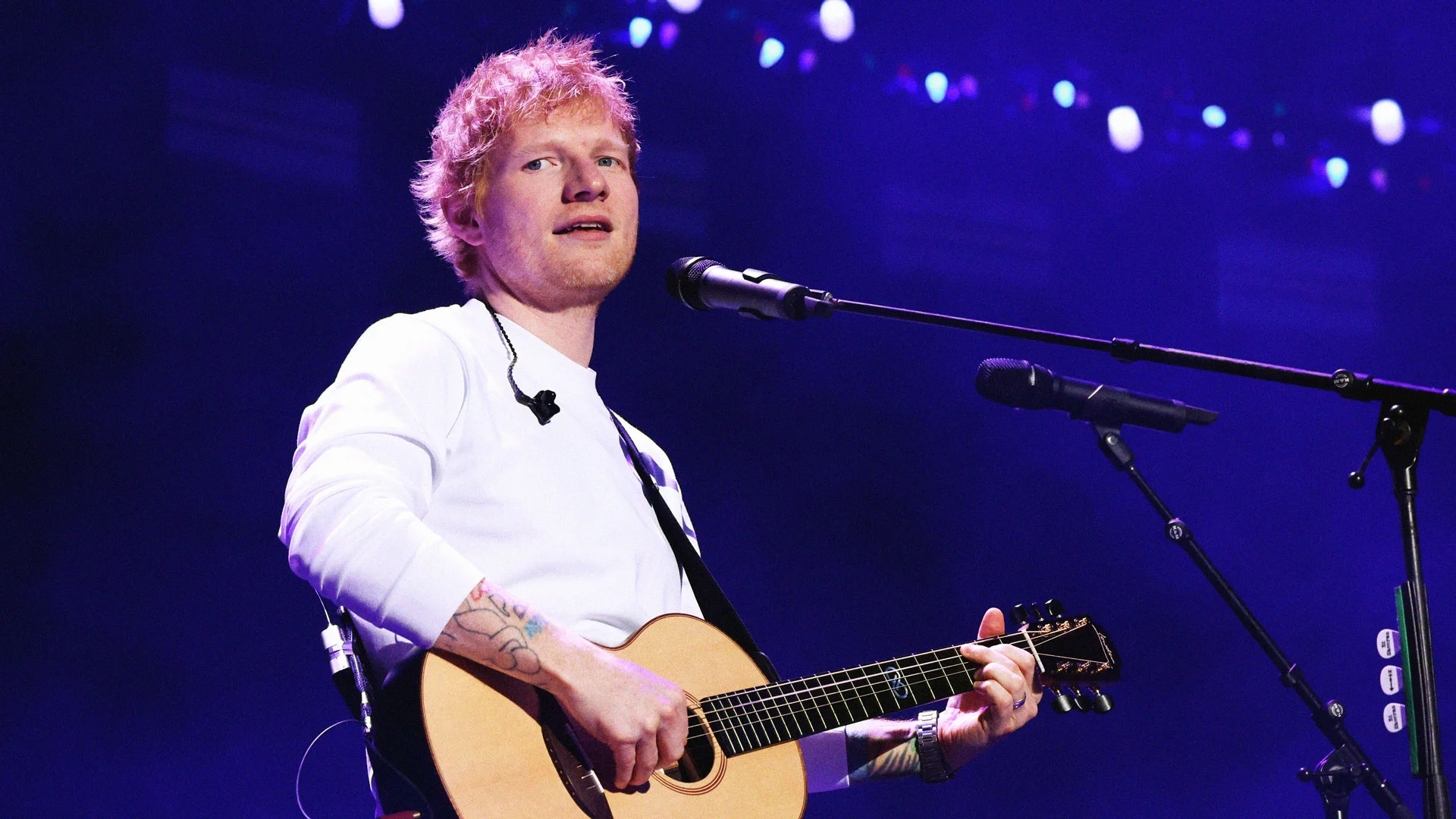
Source image: inc.com
inc.comThe Anatomy of a Crisis Delay
In modern corporate and public leadership, the clock is an active component of the message. When British singer-songwriter Ed Sheeran faced escalating controversies regarding tour decisions and free speech debates sparked by opening act Macklemore, his team opted for a prolonged period of silence. Macklemore was dropped from the tour following pro-Palestinian remarks, which triggered a domino effect: supporting acts withdrew in solidarity, resale ticket prices plummeted, and public discourse intensified. Yet, Sheeran waited nearly two weeks to deliver a comprehensive, personal address on stage in Philadelphia.
Historically, corporate communication strategies often favored a 'measure twice, cut once' approach, where taking time to draft a statement signaled deliberation, care, and legal diligence. However, workplace performance experts and crisis strategists argue that this era has officially ended. Today, extended silence creates a dangerous 'signal gap.' When leaders or public figures take too long to address a volatile situation, stakeholders do not assume careful processing; they assume stalling, defensiveness, or complicity.
Why the 'Signal Gap' Erodes Trust
When a vacuum of information is created, it never remains empty for long. In Sheeran's case, other voices—including affected artists, venue stakeholders, and vocal commentators—stepped in to narrate the sequence of events before the headliner ever released a cohesive statement. By the time Sheeran issued written remarks blaming promoter decisions and later offered an emotional apology on stage, he was no longer setting the agenda. He was merely forced to react to a narrative that had already been cemented by others.
For executives and entrepreneurs, the lesson is clear: failing to acknowledge a crisis immediately surrenders control of the brand narrative. Acknowledgment is fundamentally different from having an immediate, fully baked resolution. Leaders can claim the clock early by deploying a brief, transparent holding statement—such as recognizing an issue is under review—without needing to commit to premature outcomes or defensive positioning.
Market Implications for Brand Equity and Stakeholders
The fallout from delayed communication carries tangible financial and operational consequences, as demonstrated by the ripple effects across Sheeran's tour infrastructure:
- Asset Devaluation: Secondary market ticket prices for affected tour stops dropped significantly as uncertainty mounted and supporting acts exited.
- Ecosystem Fracturing: Tour partners, venue operators, and supporting musicians publicly distanced themselves, highlighting how internal alignment can collapse when leadership fails to communicate a unified stance early.
- Reputational Vulnerability: Defensive statements issued late in the cycle often fail to resonate, as audiences have already hardened their skepticism during the prolonged silence.
What Executives and Investors Should Watch
As stakeholder activism and public scrutiny continue to accelerate across all industries, leadership communication strategies must evolve. Executives should monitor how quickly organizations deploy initial acknowledgment frameworks during unforeseen disruptions. The most resilient enterprises treat rapid, transparent communication not as an afterthought, but as an essential risk-mitigation asset that safeguards long-term enterprise value.
For ongoing context and reader verification of the original report, reference the analysis by workplace expert Henna Pryor on Inc.
Continue reading
Related coverage in Leadership
inc.com
Tate McRae Enters the Fragrance Market with Broad Trademark Strategy
Singer Tate McRae is expanding into the fragrance industry with a trademark that extends well beyond perfume, signaling ambitious multi-category brand growth ahead.
2 min read
inc.com
Oheka Castle Heads to Bankruptcy Auction with Strict Terms for Prospective Buyers
Famed Long Island estate Oheka Castle prepares for a Chapter 11 bankruptcy auction, requiring its next buyer to honor booked events extending all the way into 2028.
3 min read
inc.com
Evaluating Leadership Effectiveness: The Daily Question That Matters More Than Your Title
Discover how a single daily self-reflection question can redefine your leadership effectiveness and outperform traditional titles in driving organizational success.
3 min read
inc.com
Tesla Workplace Culture Put to the Test as Employee Complaints Spark Broad Leadership Debate
Tesla's workplace culture faces severe scrutiny, highlighting a critical leadership test regarding psychological safety and how organizations respond to employee complaints.
2 min read