Why a Decade-Old Cable Was Sabotaging a High-End Fiber Network
When high-end fiber internet and WiFi boosters failed to deliver, replacing an outdated Ethernet cable tripled connection speeds, exposing critical hardware bottlenecks.
Source image: inc.com
inc.comThe Hidden Vulnerability in Modern Digital Infrastructure
As enterprises increasingly deploy resource-intensive technologies—ranging from local large language models to complex cloud integrations—the demand for robust network infrastructure has never been higher. However, a recent case highlighted by marketing strategist and AI consultant Pam Didner proves that high-end software and top-tier internet service plans can still be completely hamstrung by overlooked physical hardware. When attempting to set up a high-performance local AI development environment, standard wireless solutions and even premium fiber upgrades fell critically short of expected performance metrics.
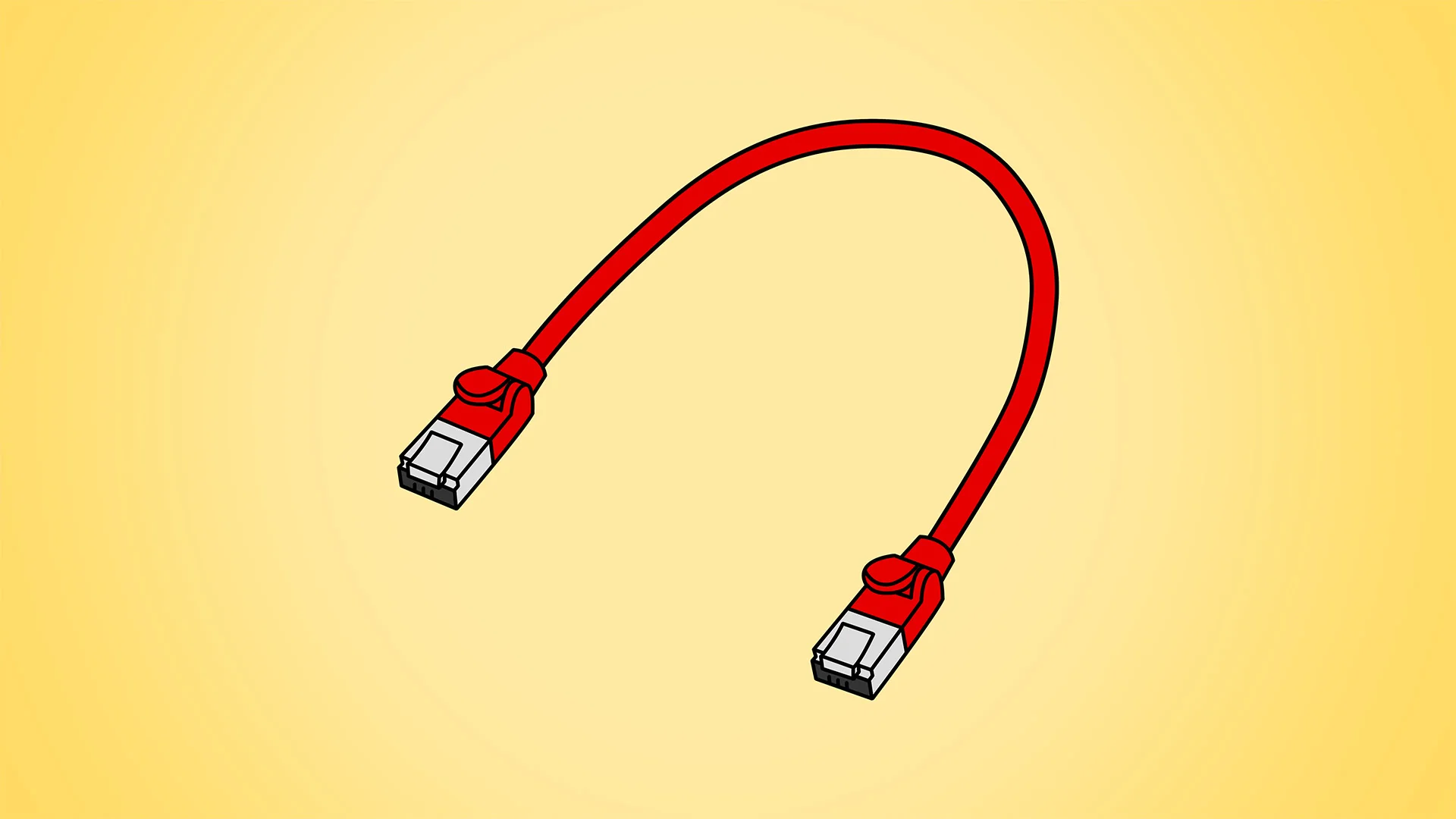
Despite transitioning from standard broadband to a high-capacity 3-gigabit Google Fiber connection and implementing auxiliary WiFi boosters, remote developers struggled with severe latency and connection bottlenecks. The assumption that modern wireless technology or high-speed internet packages could effortlessly handle heavy data loads proved incorrect. The ultimate culprit was not a lack of bandwidth from the internet service provider, but rather a physical bottleneck hidden in plain sight: a decade-old Cat5 Ethernet cable connecting the office hardware.
What Actually Happened Behind the Scenes
The troubleshooting process revealed a cascade of common enterprise assumptions. Initially, the belief was that wireless networks could handle everything required for remote collaboration and data transfer. When WiFi speeds proved inadequate for developer access, the first response was to scale up the external bandwidth via a major fiber upgrade. When that failed to resolve the latency, secondary wireless hardware like WiFi boosters was deployed.
It was only after running physical wiring lines through the infrastructure and swapping out the legacy Cat5 cable for a modern Cat7 specification that connection speeds tripled instantly. This technical oversight demonstrates that physical transmission lines degrade in capability relative to modern data standards. Much like software or enterprise hardware, peripheral components have an operational lifecycle and must be systematically updated to match incoming bandwidth capacities.
Market Implications for Entrepreneurs and Investors
For entrepreneurs, executives, and technology investors, this incident offers a broader parable regarding enterprise scalability and operational efficiency. Key market implications include:
- Infrastructure Blind Spots: Companies frequently over-allocate capital toward premium software licenses and high-tier cloud or fiber services while neglecting internal physical hardware audits.
- The Cost of Downtime: Troubleshooting legacy bottlenecks creates hidden operational drag, delaying critical tech deployments such as localized AI integration.
- Lifecycle Management of Peripherals: Cables, adapters, and local routing hardware should not be treated as permanent fixtures; they require active asset management and scheduled replacement cycles.
What Readers and Decision-Makers Should Watch
As businesses continue to decentralize operations and adopt heavier data workloads, decision-makers must adopt a holistic approach to technology integration. Moving forward, executives should monitor internal network audits just as closely as external service level agreements. Ensuring that every link in the technical chain—from the primary fiber line down to the physical patch cable—is optimized will prevent costly delays and ensure that capital investments in advanced technology yield their maximum intended return. You can read the original account on Inc.
Continue reading
Related coverage in Entrepreneurship
inc.com
Tate McRae Expands Into Fragrance and Beyond With Strategic Trademark Filing
Pop star Tate McRae is officially entering the fragrance industry, with comprehensive trademark filings pointing to a much broader brand expansion strategy ahead.
3 min read
inc.com
Oheka Castle Enters Bankruptcy Auction With Strict Event Obligations Through 2028
The iconic Long Island estate Oheka Castle is heading to a Chapter 11 bankruptcy auction, bringing its hotel operations, development rights, and booked events into play.
3 min read
inc.com
The Single Daily Question That Defines True Leadership Effectiveness
Discover how a simple daily self-reflection question can reveal more about your true leadership impact than any executive title or corporate ranking ever could.
2 min read
inc.com
Tesla Workplace Culture Put on Trial: What Employee Complaints Mean for Executive Leadership
Tesla's workplace culture faces severe scrutiny, highlighting a critical leadership test regarding psychological safety and how companies handle employee complaints.
2 min read