Wendy’s Closes 245 Units as Top Operator Files for Bankruptcy: Lessons for Franchisees
Wendy's has shuttered 245 restaurants this year after its largest operator filed for bankruptcy. Explore the critical strategic takeaways for franchise owners and investors.
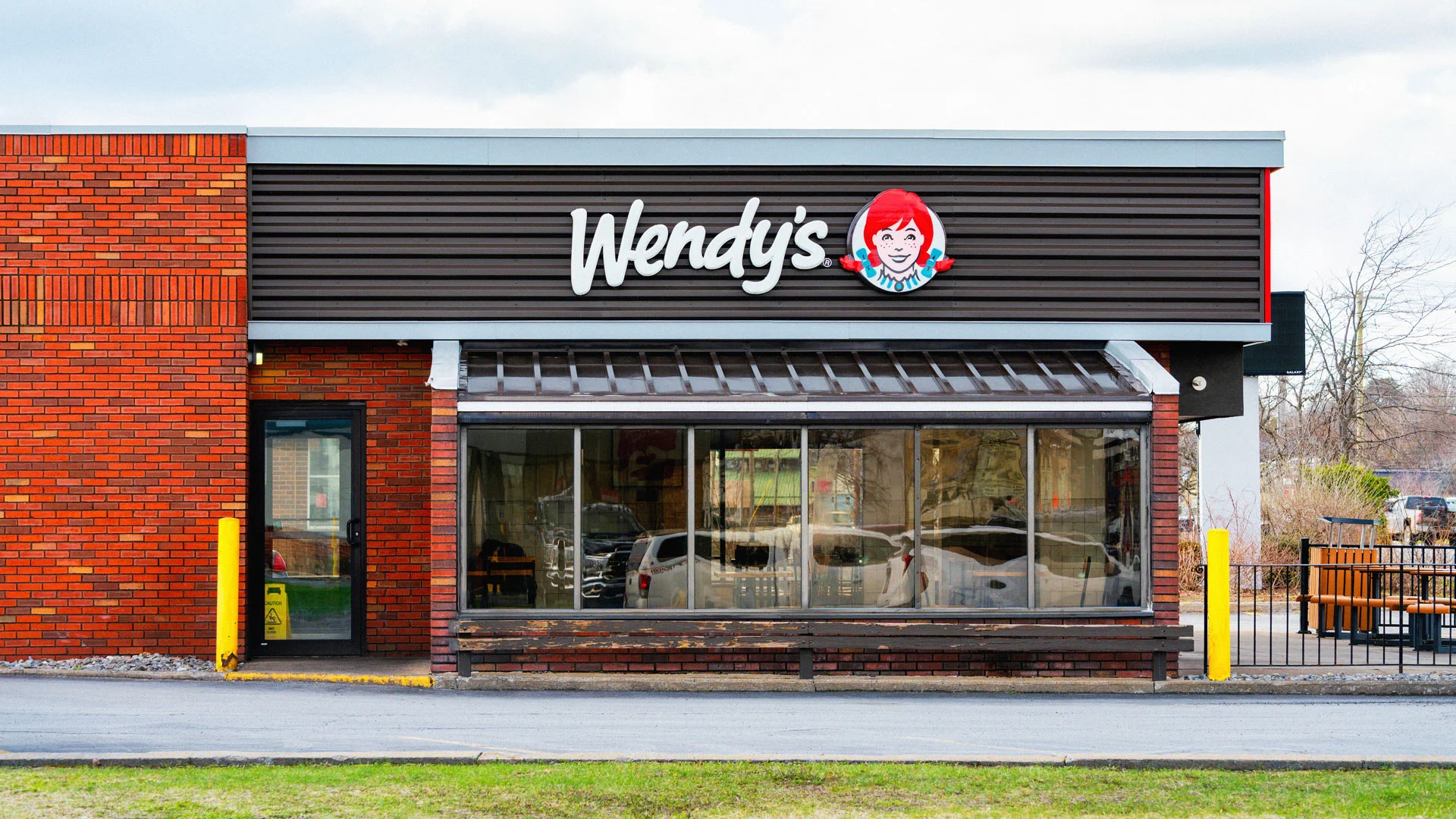
Source image: inc.com
inc.comIntroduction to the Wendy’s Franchise Crisis
The fast-food landscape is facing a stark reality check as major brands grapple with shifting economic conditions, rising labor costs, and operational pressures. Recently, Wendy's announced the closure of 245 restaurants this year. What makes this wave of closures particularly alarming for industry insiders is not just the sheer scale of the reduction, but the identity of the primary casualty: the brand's largest operator.
This major franchisee recently filed for bankruptcy, a shocking development given that just four years prior, the same operator was celebrated by the corporation and won the brand's prestigious growth award. For executives, investors, and entrepreneurs, this situation provides a profound case study in how quickly rapid growth models can unravel when underlying fundamentals shift.
What Happened: The Anatomy of the Collapse
The core narrative centers around aggressive expansion that ultimately outpaced sustainable unit-level profitability. Winning a growth award signifies that an operator is scaling fast, building new units, and capturing market share. However, rapid scaling often requires significant leverage, high capital expenditures, and complex operational oversight.
When macroeconomic headwinds intensified—marked by persistent inflation, surging interest rates, and escalating labor and supply chain costs—the financial margins of these operations compressed drastically. For a massive franchise organization, carrying high debt loads across dozens or hundreds of locations leaves very little room for error. Once cash flow dipped below debt service requirements, the path to bankruptcy accelerated rapidly, dragging down a substantial portion of the broader Wendy's footprint.
Why It Matters for Franchise Owners
The lesson extending from Wendy's recent closures is not about burgers or quick-service menu trends; it is a fundamental masterclass in risk management and financial health. Franchise owners often fall into the trap of equating size with stability. The assumption that being a brand's largest partner provides an impenetrable safety net has been decisively shattered.
- Rapid Scaling Risks: Expanding too quickly can mask underlying operational inefficiencies at older locations.
- Debt Exposure: High leverage becomes toxic when consumer spending habits shift and operational costs spike.
- Corporate Alignment: Growth awards celebrate top-line expansion, but true sustainability relies on bottom-line net margins.
Market Implications and Broader Industry Trends
The struggles faced by Wendy's top operator reflect broader structural vulnerabilities across the entire franchise economy. Across various verticals, franchisees are finding themselves squeezed between corporate demands for unit remodels and technology upgrades, and the harsh reality of consumer wallet fatigue.
For private equity firms and institutional investors eyeing the franchise space, this event signals a necessary pivot toward underwriting conservatism. Due diligence processes will likely tighten, placing a much heavier emphasis on unit-level profitability, debt-to-income ratios, and localized labor market dynamics rather than aggregate system-wide sales.
Entrepreneurs must recognize that the traditional playbook of borrowing heavily to fuel multi-unit growth carries unprecedented risk in a high-interest-rate environment. The focus is shifting decisively from footprint maximization to operational excellence and margin defense.
What Readers Should Watch Moving Forward
As the market digests these developments, executives and investors should keep a close eye on several critical indicators to gauge the health of the broader franchise ecosystem:
- Corporate Restructuring Strategies: How Wendy's plans to refranchise or absorb the shuttered and bankrupt units.
- -Financing Conditions: Changes in lending standards for multi-unit franchise operators looking to refinance existing debt.
- Remodel Mandates: How franchisors balance expensive capital expenditure requirements with the strained financial realities of their operators.
Ultimately, the closure of 245 Wendy’s locations and the bankruptcy of its premier growth partner should serve as a wake-up call. Sustainable success requires balancing ambition with fiscal discipline, ensuring that expansion never outruns fundamental profitability. For further details, read the original report at Inc.
Continue reading
Related coverage in Leadership
inc.com
Tate McRae Enters the Fragrance Market with Broad Trademark Strategy
Singer Tate McRae is expanding into the fragrance industry with a trademark that extends well beyond perfume, signaling ambitious multi-category brand growth ahead.
2 min read
inc.com
Oheka Castle Heads to Bankruptcy Auction with Strict Terms for Prospective Buyers
Famed Long Island estate Oheka Castle prepares for a Chapter 11 bankruptcy auction, requiring its next buyer to honor booked events extending all the way into 2028.
3 min read
inc.com
Evaluating Leadership Effectiveness: The Daily Question That Matters More Than Your Title
Discover how a single daily self-reflection question can redefine your leadership effectiveness and outperform traditional titles in driving organizational success.
3 min read
inc.com
Tesla Workplace Culture Put to the Test as Employee Complaints Spark Broad Leadership Debate
Tesla's workplace culture faces severe scrutiny, highlighting a critical leadership test regarding psychological safety and how organizations respond to employee complaints.
2 min read