The $1 Billion Bot War: How AI Friction Between Hospitals and Insurers Drives Up Healthcare Costs
Blue Cross Blue Shield reports $942 million in added costs as hospitals and insurers wage a high-stakes AI bot war, impacting patients and reshaping market dynamics.
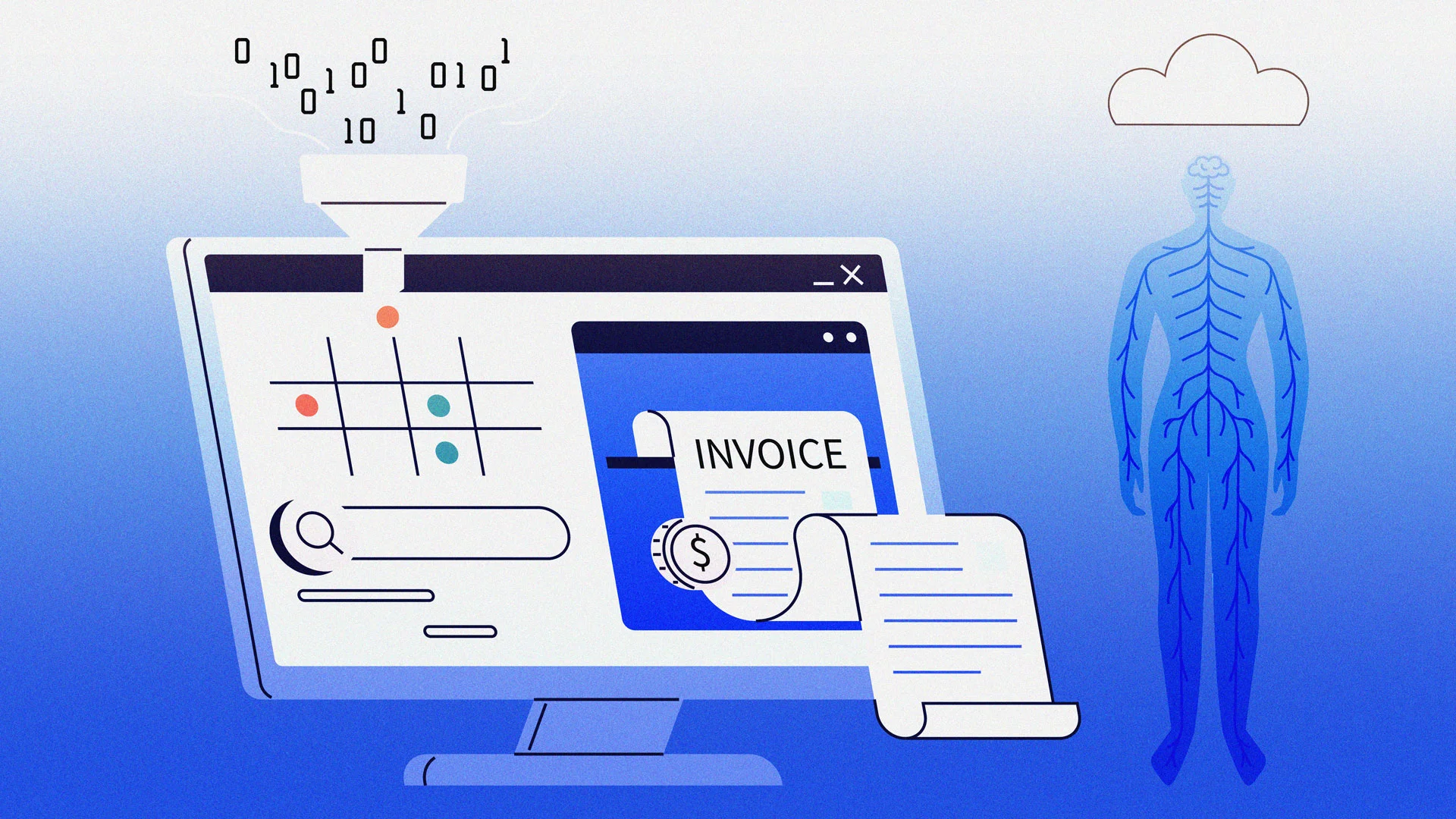
Source image: inc.com
inc.comIntroduction to the Automated Healthcare Conflict
The intersection of artificial intelligence and healthcare administration has birthed an unexpected and costly phenomenon: a nearly $1 billion bot war between hospitals and insurance companies. As reported by Blue Cross Blue Shield, the integration of automated systems has contributed an eye-watering $942 million in added health care costs. This clash represents a profound misallocation of technological potential, transforming tools meant to streamline operations into weapons of administrative friction.
What Happened: The Mechanics of the Bot War
Modern healthcare operations are increasingly governed by opposing artificial intelligence systems. Insurance companies heavily utilize sophisticated AI algorithms to review medical necessity, process claims at scale, and automate denials or restrictions. In response, hospitals and health systems have deployed their own automated bots designed to aggressively generate appeals, submit documentation, and navigate payer requirements. Rather than finding synergy, these automated systems lock into perpetual adversarial loops, escalating administrative overhead and creating a cycle of automated resistance.
Why It Matters for Executives and Investors
For industry leaders, investors, and entrepreneurs, this dynamic signals deep structural inefficiencies within the healthcare ecosystem. Key concerns include:
- Escalating Overhead: Billions of dollars are being funneled into software development and administrative maneuvering rather than direct patient care or clinical innovation.
- Margin Compression: Both payers and providers face compressed margins as they fund continuous technological arms races to outmaneuver each other's algorithms.
- Regulatory Scrutiny: The escalation of automated claim denials and counter-appeals invites inevitable regulatory intervention, potentially reshaping how AI can be deployed in financial and clinical decision-making.
Market Implications and Strategic Risks
The economic fallout of this algorithmic conflict extends far beyond individual balance sheets. As administrative costs mount, the financial pressure trickles down to employers sponsoring health plans and patients paying out-of-pocket expenses. Furthermore, tech entrepreneurs looking to disrupt healthcare must recognize that building tools that exacerbate payer-provider friction will face fierce resistance. Conversely, solutions that bridge the gap or bring transparency to automated adjudication could capture significant market share.
What Readers Should Watch
To navigate this evolving landscape, executives and investors should monitor several key indicators over the coming quarters:
- Regulatory Policy Changes: Keep a close eye on federal and state guidelines regarding the use of AI in insurance claims processing and denials.
- Payer-Provider Collaboration Models: Look for pilot programs or emerging platforms attempting to replace adversarial bots with shared, interoperable data ledgers.
- Cost-to-Income Ratios: Track how administrative expenses evolve for major health insurers and hospital networks as they audit their AI deployments.
Ultimately, the $942 million cost reported by Blue Cross Blue Shield is a stark reminder that technology without alignment breeds inefficiency. For further details on this developing story, read the original report on Inc.
Continue reading
Related coverage in Leadership
inc.com
Tate McRae Enters the Fragrance Market with Broad Trademark Strategy
Singer Tate McRae is expanding into the fragrance industry with a trademark that extends well beyond perfume, signaling ambitious multi-category brand growth ahead.
2 min read
inc.com
Oheka Castle Heads to Bankruptcy Auction with Strict Terms for Prospective Buyers
Famed Long Island estate Oheka Castle prepares for a Chapter 11 bankruptcy auction, requiring its next buyer to honor booked events extending all the way into 2028.
3 min read
inc.com
Evaluating Leadership Effectiveness: The Daily Question That Matters More Than Your Title
Discover how a single daily self-reflection question can redefine your leadership effectiveness and outperform traditional titles in driving organizational success.
3 min read
inc.com
Tesla Workplace Culture Put to the Test as Employee Complaints Spark Broad Leadership Debate
Tesla's workplace culture faces severe scrutiny, highlighting a critical leadership test regarding psychological safety and how organizations respond to employee complaints.
2 min read