The $1 Billion Bot War: How AI Friction Between Hospitals and Insurers Drives Up Healthcare Costs
Blue Cross Blue Shield reveals AI has added $942 million in healthcare costs as hospitals and insurers engage in a massive automated administrative conflict.
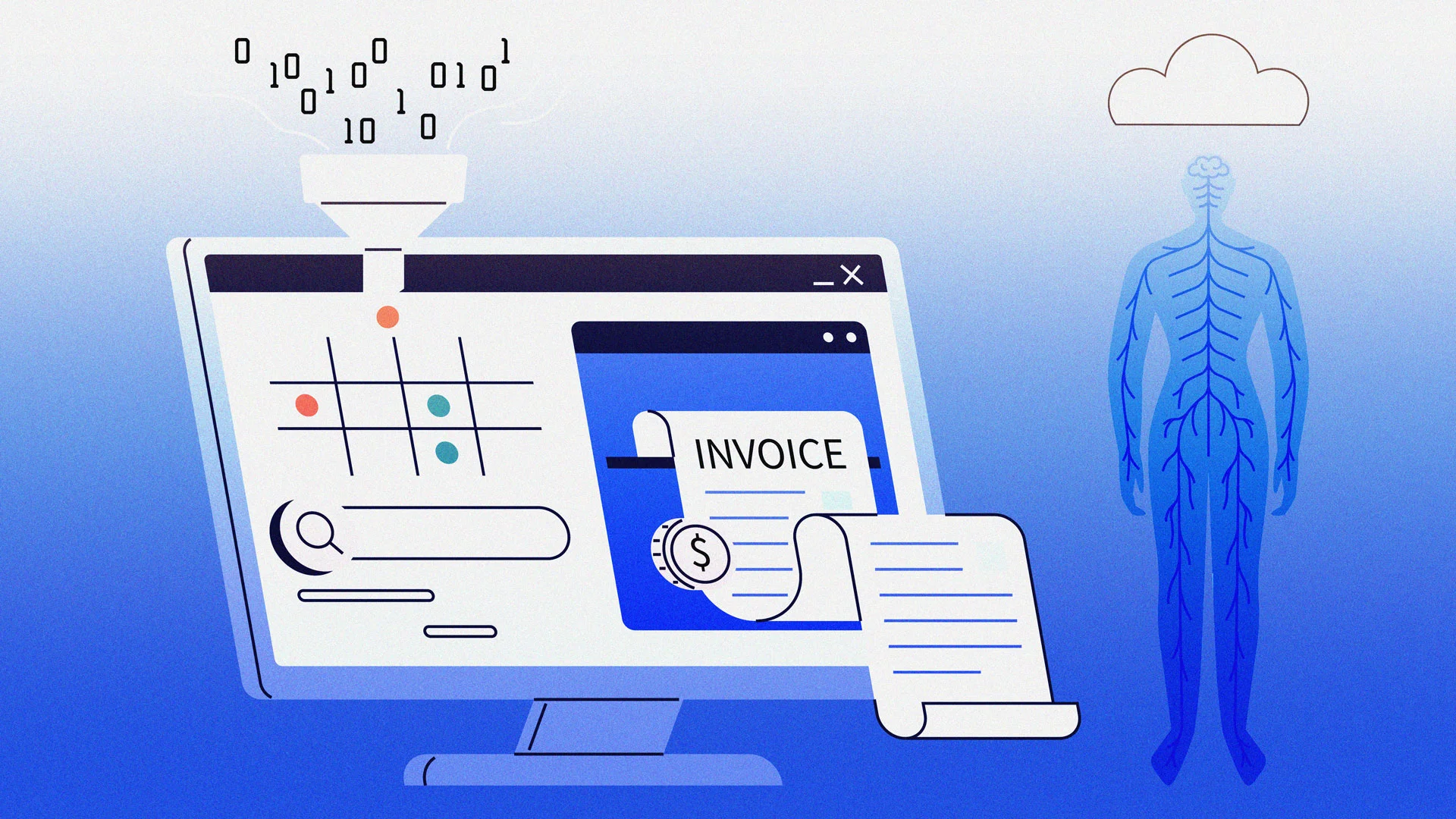
Source image: inc.com
inc.comThe Rise of Automated Administrative Warfare
Artificial intelligence was originally promised to streamline complex industries, reduce overhead, and eliminate human error. However, in the healthcare sector, the mass deployment of AI tools by opposing stakeholders has birthed an unprecedented phenomenon: a nearly $1 billion bot war between hospitals and insurance companies. According to reports from Blue Cross Blue Shield, the friction generated by these competing automated systems has added a staggering $942 million directly to healthcare costs.
This digital arms race pits algorithmic hospital billing systems against equally sophisticated insurance denial algorithms. Rather than achieving efficiency, the automation has weaponized administrative processes, turning routine claim approvals into a high-stakes, machine-driven battleground.
Why This Corporate Conflict Matters
For executives, investors, and entrepreneurs, this costly escalation exposes the deep inefficiencies plaguing modern healthcare administration. Insurers leverage AI to rapidly evaluate, flag, and deny claims at a scale that human reviewers could never achieve. In response, healthcare providers deploy their own automated software designed to instantly appeal denials, generate resubmissions, and navigate complex payer rules.
This ongoing cycle does not just inflate operational expenses—it fundamentally degrades the operational integrity of the healthcare ecosystem. The ultimate cost of this technological stalemate is borne by patients and employers, who face inflated premiums, delayed care, and a system bogged down by algorithmic bureaucracy.
- Escalating Overhead: Millions of dollars are diverted from patient care into maintaining and upgrading competing administrative bots.
- Administrative Gridlock: Automation intended to speed up processes has instead created dense layers of systemic friction.
- Patient Impact: Real individuals face prolonged wait times and unnecessary stress while software systems litigate their claims.
Market Implications and Enterprise Risks
The financial fallout from the $942 million cost surge signals major implications for the healthcare technology and insurance markets. As regulatory bodies begin to scrutinize the ethical and financial consequences of automated claim denials, enterprises on both sides of the aisle face looming compliance risks. Investors should re-evaluate software solutions that prioritize adversarial automation over interoperability and transparency.
Furthermore, the trend highlights a critical market gap: a desperate need for neutral, standardized AI architecture that bridges the divide between payers and providers rather than widening it. Companies that can successfully engineer collaborative platforms instead of adversarial bots will likely capture significant market share in the next evolution of healthtech.
What Executives and Investors Should Watch
Stakeholders monitoring this space must keep a close eye on several key indicators over the coming quarters. Regulatory scrutiny will likely intensify as lawmakers investigate how algorithmic denials impact patient access to care. Additionally, watch for potential legal challenges brought against insurance providers over automated claim rejection practices.
Entrepreneurs looking to disrupt this space should focus on building transparent reconciliation tools and unified communication protocols. For further details on this unfolding narrative, read the original report at Inc.
Continue reading
Related coverage in Entrepreneurship
inc.com
Tate McRae Expands Into Fragrance and Beyond With Strategic Trademark Filing
Pop star Tate McRae is officially entering the fragrance industry, with comprehensive trademark filings pointing to a much broader brand expansion strategy ahead.
3 min read
inc.com
Oheka Castle Enters Bankruptcy Auction With Strict Event Obligations Through 2028
The iconic Long Island estate Oheka Castle is heading to a Chapter 11 bankruptcy auction, bringing its hotel operations, development rights, and booked events into play.
3 min read
inc.com
The Single Daily Question That Defines True Leadership Effectiveness
Discover how a simple daily self-reflection question can reveal more about your true leadership impact than any executive title or corporate ranking ever could.
2 min read
inc.com
Tesla Workplace Culture Put on Trial: What Employee Complaints Mean for Executive Leadership
Tesla's workplace culture faces severe scrutiny, highlighting a critical leadership test regarding psychological safety and how companies handle employee complaints.
2 min read