Steve Jobs' Leadership Blind Spot: What Advisors Say Modern Executives Get Wrong
A deep dive into Steve Jobs' leadership blind spot according to his longtime advisor Kamini Ramani, and what today's entrepreneurs must learn to avoid missteps.
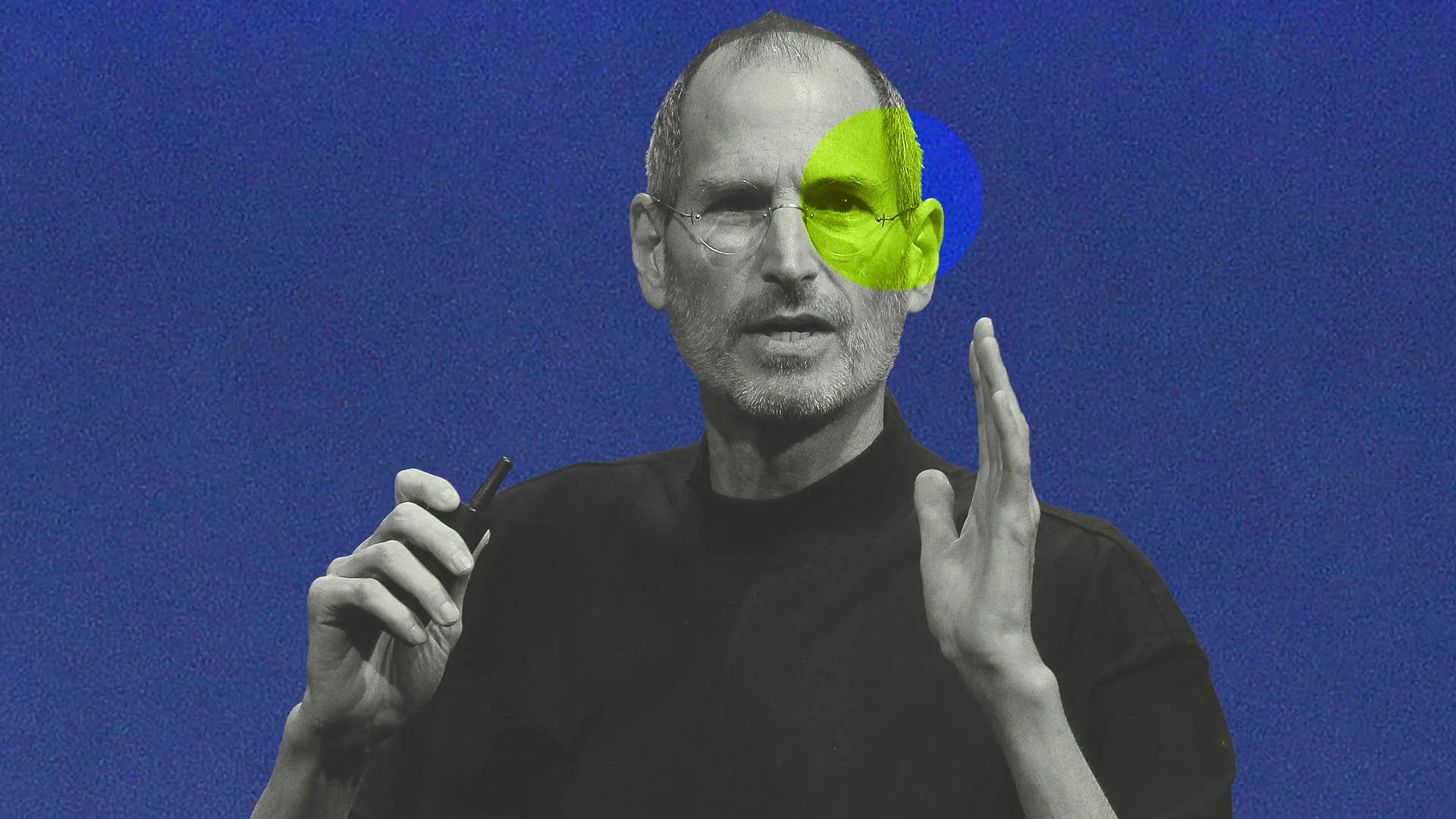
Source image: inc.com
inc.comExamining the Leadership Blind Spot of a Tech Icon
Steve Jobs remains one of the most influential figures in modern corporate history. His ability to anticipate consumer desires and push teams to achieve seemingly impossible goals built Apple into a titan. Yet, behind the legendary product launches and visionary keynotes lay severe managerial hurdles. According to Kamini Ramani, who served as a longtime advisor to Jobs, the iconic CEO possessed a distinct leadership blind spot that offers vital lessons for today's business community.
Ramani's perspective sheds light on the friction between unyielding product perfectionism and the realities of human leadership. While Jobs drove Apple to historic heights, his approach often exposed vulnerabilities in how leaders manage interpersonal relationships, foster psychological safety, and scale corporate culture without burning out critical talent.
Why This Leadership Dynamic Matters Today
For entrepreneurs and investors, understanding leadership blind spots is not merely an exercise in corporate history; it is a vital operational necessity. Modern businesses operate in a volatile economic climate where talent retention and organizational agility are paramount. The traditional command-and-control model popularized by visionary founders often clashes with the expectations of today's workforce.
- Talent Retention: High-performing employees are increasingly unwilling to tolerate toxic management styles, regardless of a company's prestige or compensation packages.
- Sustainable Innovation: Chronic friction can stifle long-term creativity, driving away the very innovators a company relies on for future growth.
- Founder Dependency: Organizations that mirror a single leader's blind spots often struggle with succession planning and institutional resilience.
Market Implications and Corporate Governance
Investors and boards of directors are paying closer attention to executive behavior and corporate culture than ever before. A leader's blind spot can quickly translate into material financial risk if it leads to high executive turnover, cultural decay, or public relations crises. Companies that successfully bridge the gap between visionary ambition and empathetic leadership are better positioned to weather economic downturns and secure long-term market dominance.
Furthermore, as venture capitalists and institutional investors evaluate early-stage and growth-stage companies, leadership coaching and emotional intelligence are increasingly factored into valuation and risk assessment metrics. Recognizing that brilliance does not exempt a leader from developmental blind spots is now a core tenet of modern corporate governance.
What Executives and Investors Should Watch
As the business ecosystem continues to evolve, stakeholders should monitor several key indicators regarding leadership development:
- Adoption of Executive Coaching: Look for companies that actively invest in leadership development and external advisory boards to check executive blind spots.
- Culture Metrics: Pay attention to internal employee Net Promoter Scores (eNPS) and retention rates among mid-to-senior level managers.
- Board Oversight: Observe how corporate boards handle executive behavior, ensuring a healthy balance between financial performance and cultural health.
Ultimately, while the market will always reward groundbreaking innovation, the enduring legacy of leaders like Steve Jobs must be viewed through a balanced lens. By acknowledging and addressing these historical blind spots, today's entrepreneurs can build resilient enterprises capable of surviving and thriving well beyond the tenure of any single visionary.
For further details and to read the original report, visit Inc.
Continue reading
Related coverage in Entrepreneurship
inc.com
Tate McRae Expands Into Fragrance and Beyond With Strategic Trademark Filing
Pop star Tate McRae is officially entering the fragrance industry, with comprehensive trademark filings pointing to a much broader brand expansion strategy ahead.
3 min read
inc.com
Oheka Castle Enters Bankruptcy Auction With Strict Event Obligations Through 2028
The iconic Long Island estate Oheka Castle is heading to a Chapter 11 bankruptcy auction, bringing its hotel operations, development rights, and booked events into play.
3 min read
inc.com
The Single Daily Question That Defines True Leadership Effectiveness
Discover how a simple daily self-reflection question can reveal more about your true leadership impact than any executive title or corporate ranking ever could.
2 min read
inc.com
Tesla Workplace Culture Put on Trial: What Employee Complaints Mean for Executive Leadership
Tesla's workplace culture faces severe scrutiny, highlighting a critical leadership test regarding psychological safety and how companies handle employee complaints.
2 min read