Steve Jobs Had a Major Leadership Blind Spot, Says Longtime Advisor Kamini Ramani
Kamini Ramani, a longtime advisor to Steve Jobs, reveals the critical leadership blind spot the Apple CEO possessed and what modern executives frequently get wrong.
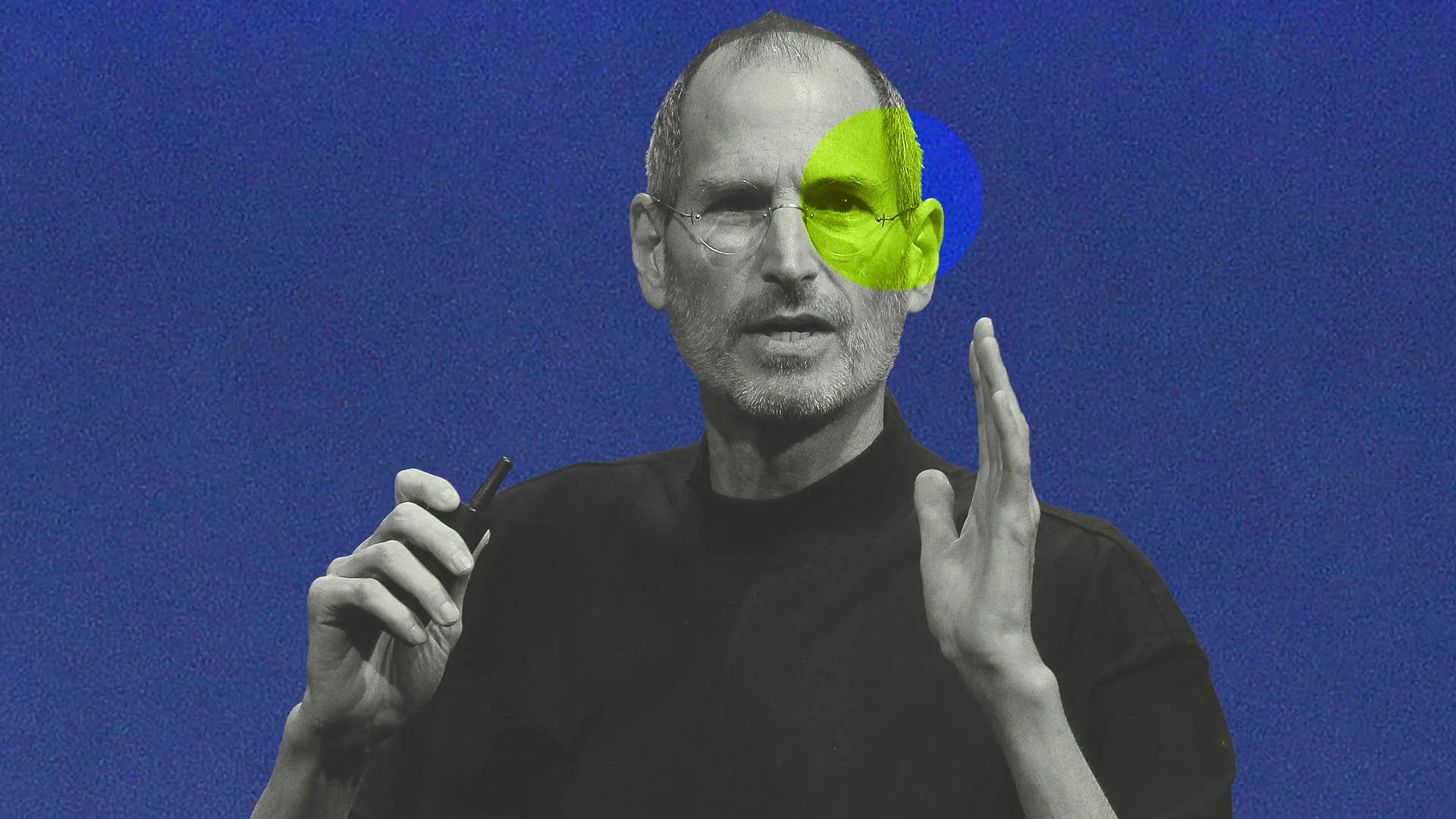
Source image: inc.com
inc.comExamining the Leadership Legacy of Steve Jobs
Steve Jobs remains one of the most influential figures in modern corporate history, renowned for his visionary approach to product design, marketing, and market disruption. However, beneath the legendary successes of Apple lie critical discussions about his management style and leadership approach. According to Kamini Ramani, a longtime advisor who worked closely with Jobs, the iconic CEO possessed a specific leadership blind spot that offers profound lessons for today's executives and entrepreneurs.
While Jobs was celebrated for his uncompromising standards and intense focus, Ramani's reflections shed light on the nuances of executive leadership that often get overlooked in the pursuit of perfection. Understanding these dynamics is essential for modern business leaders who must balance high-performance expectations with long-term organizational health.
What Steve Jobs Got Wrong According to His Advisor
Ramani's insights point to a fundamental disconnect that many high-achieving leaders experience. The primary areas of friction involve:
- Balancing intensity with empathy: Jobs was notorious for his demanding nature, which drove innovation but often strained interpersonal dynamics within teams.
- Overlooking collaborative feedback: The blind spot often manifested as a resistance to incorporating alternative viewpoints that did not align with his immediate vision.
- Sustaining human capital: Pushing teams to their absolute limits can yield short-term breakthroughs, but it poses risks to long-term employee retention and culture.
These elements highlight why even the most successful corporate figures are not immune to critical blind spots in leadership strategy.
Why This Matters for Modern Executives and Investors
For investors and entrepreneurs navigating today's fast-paced economic landscape, leadership style is a core component of enterprise value. A leader's blind spots can directly impact corporate culture, talent acquisition, and operational stability. When executives fail to recognize their own limitations in emotional intelligence and team engagement, the entire organization becomes vulnerable to burnout and high turnover.
Furthermore, modern corporate governance places a heavy emphasis on resilient leadership. Stakeholders increasingly evaluate companies not just on quarterly financial performance, but on the strength, adaptability, and emotional intelligence of the executive suite.
Market Implications and Strategic Outlook
The lessons drawn from Kamini Ramani's observations extend far beyond individual management philosophy; they carry tangible market implications:
- Talent Retention: Companies led by self-aware executives are better positioned to retain top-tier talent in competitive industries.
- Innovation Sustainability: Balancing visionary drive with inclusive leadership fosters sustainable, long-term innovation rather than volatile bursts of creativity.
- Investor Confidence: Institutional investors increasingly favor leadership teams that demonstrate openness to feedback and adaptive governance structures.
What Readers Should Watch
As corporate leadership continues to evolve, executives and entrepreneurs should monitor several key trends moving forward. Pay close attention to how modern companies transition from founder-led, high-intensity models to mature, scalable governance frameworks. Additionally, observe how boards of directors evaluate executive performance beyond financial metrics, placing greater weight on cultural health, emotional intelligence, and self-awareness among top leadership. For further details, read the original report on Inc.
Continue reading
Related coverage in Leadership
inc.com
Tate McRae Enters the Fragrance Market with Broad Trademark Strategy
Singer Tate McRae is expanding into the fragrance industry with a trademark that extends well beyond perfume, signaling ambitious multi-category brand growth ahead.
2 min read
inc.com
Oheka Castle Heads to Bankruptcy Auction with Strict Terms for Prospective Buyers
Famed Long Island estate Oheka Castle prepares for a Chapter 11 bankruptcy auction, requiring its next buyer to honor booked events extending all the way into 2028.
3 min read
inc.com
Evaluating Leadership Effectiveness: The Daily Question That Matters More Than Your Title
Discover how a single daily self-reflection question can redefine your leadership effectiveness and outperform traditional titles in driving organizational success.
3 min read
inc.com
Tesla Workplace Culture Put to the Test as Employee Complaints Spark Broad Leadership Debate
Tesla's workplace culture faces severe scrutiny, highlighting a critical leadership test regarding psychological safety and how organizations respond to employee complaints.
2 min read