Starbucks Settles Florida DEI Lawsuit for $1 Million, Signaling Nationwide Corporate Shift
Starbucks agrees to a $1 million settlement in a Florida reverse discrimination lawsuit, introducing nationwide constraints on its corporate hiring and diversity practices.
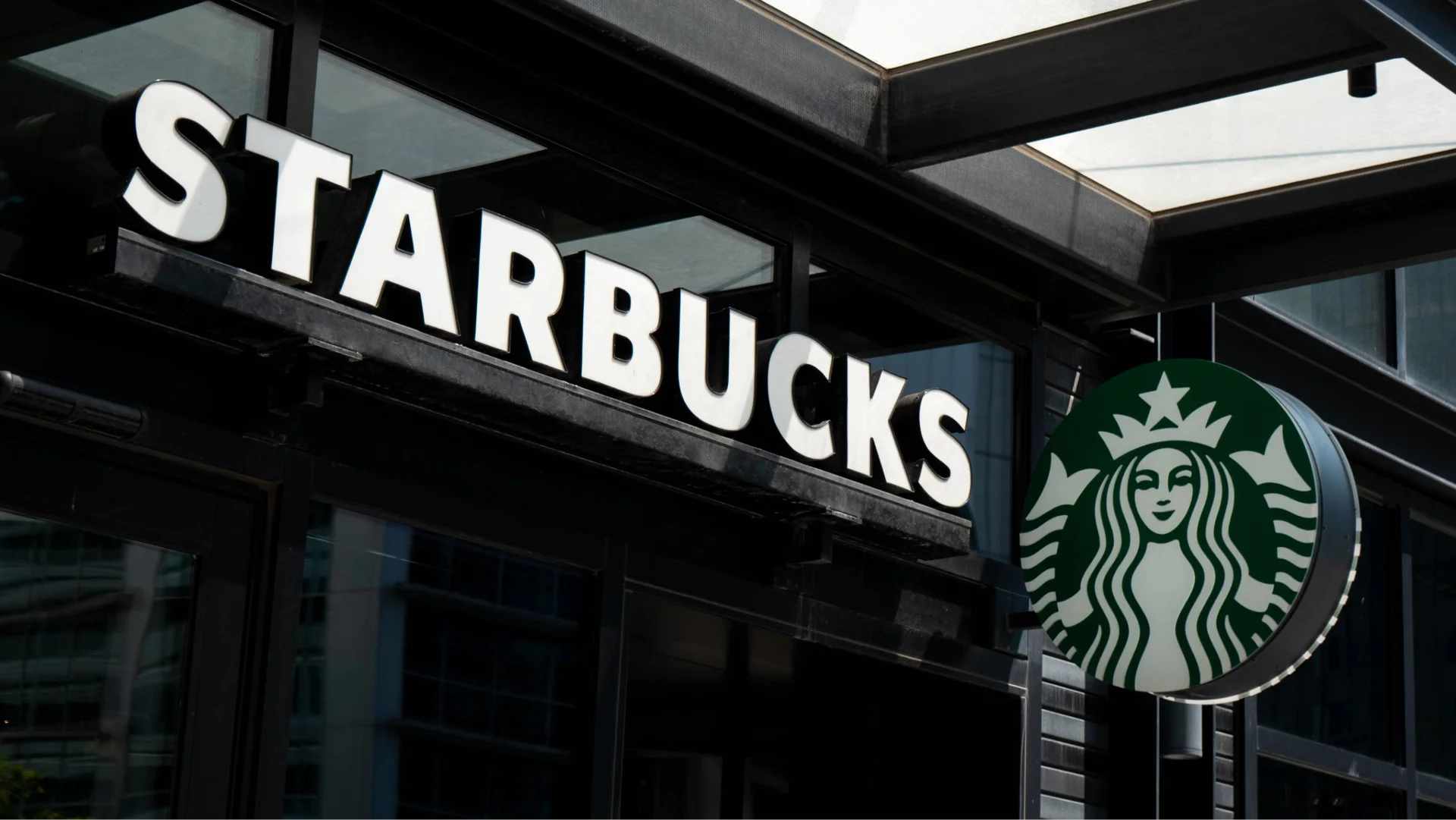
Source image: inc.com
inc.comOverview of the Starbucks DEI Lawsuit Settlement
Starbucks has officially agreed to pay $1 million to settle a high-profile lawsuit brought forward by the state of Florida. The legal challenge centered on accusations of reverse discrimination stemming from the coffee giant's corporate diversity, equity, and inclusion (DEI) programs. Rather than proceeding through a protracted courtroom battle, the company opted for a settlement that not only involves a financial payout to the state but also imposes concrete operational changes.
Crucially, the terms of the agreement extend far beyond Florida's borders. The settlement places new constraints on Starbucks' hiring practices, supplier diversity targets, and corporate advancement programs at retail and corporate locations throughout the entire country. For a company that has long championed progressive social agendas and public-facing DEI metrics, this legal outcome represents a major adjustment in strategy.
Why This Settlement Matters for Corporate Leadership
For executives, investors, and entrepreneurs, the Starbucks resolution serves as a bellwether moment. In recent years, corporate DEI initiatives have faced mounting legal scrutiny, shareholder activism, and state-level challenges regarding potential discrimination against non-minority groups. The decision by a Fortune 500 powerhouse like Starbucks to settle rather than fight signals a shifting risk calculus in corporate boardrooms.
- Increased Legal Vulnerability: Programs designed to boost representation for specific demographics are increasingly being tested under federal and state civil rights laws.
- Operational Restructuring: Settlements that dictate hiring guidelines nationwide demonstrate that state-level actions can successfully force federal policy adjustments in corporate entities.
- The Cost of Compliance: Beyond direct legal fees and settlements, companies must factor in the immense administrative overhead required to audit and modify legacy DEI structures.
Market Implications and Investor Sentiment
The financial markets and institutional investors are taking note of the changing legal environment surrounding corporate governance and human resources. As risk management frameworks expand to include litigation risks tied to corporate social responsibility, companies are under pressure to insulate themselves from costly legal challenges.
Investors are increasingly scrutinizing corporate policies that could alienate consumer bases or invite regulatory and state-level retaliation. While DEI frameworks were historically viewed as low-risk corporate checkboxes, incidents like the Starbucks settlement prove they can materialize into multi-million-dollar liabilities and operational bottlenecks. Consequently, market participants are advising portfolio companies to proactively review their recruitment, promotion, and vendor selection pipelines to ensure strict compliance with equal protection standards.
What Readers and Business Leaders Should Watch
As the dust settles on the Florida agreement, entrepreneurs and executives must monitor several critical indicators to gauge the future of workplace diversity initiatives:
- State-Level Legislation: Watch for other states attempting to replicate Florida's legal strategies against major corporations with active DEI programs.
- Corporate Policy Revisions: Observe how other consumer-facing giants modify their public commitments, employee resource groups, and hiring targets in response to this precedent.
- Federal Regulatory Guidance: Pay close attention to shifts in federal oversight or court rulings that clarify the legal boundaries of corporate affirmative action and diversity metrics.
For more details on the original reporting, read the full account at Inc.
Continue reading
Related coverage in Entrepreneurship
inc.com
Tate McRae Expands Into Fragrance and Beyond With Strategic Trademark Filing
Pop star Tate McRae is officially entering the fragrance industry, with comprehensive trademark filings pointing to a much broader brand expansion strategy ahead.
3 min read
inc.com
Oheka Castle Enters Bankruptcy Auction With Strict Event Obligations Through 2028
The iconic Long Island estate Oheka Castle is heading to a Chapter 11 bankruptcy auction, bringing its hotel operations, development rights, and booked events into play.
3 min read
inc.com
The Single Daily Question That Defines True Leadership Effectiveness
Discover how a simple daily self-reflection question can reveal more about your true leadership impact than any executive title or corporate ranking ever could.
2 min read
inc.com
Tesla Workplace Culture Put on Trial: What Employee Complaints Mean for Executive Leadership
Tesla's workplace culture faces severe scrutiny, highlighting a critical leadership test regarding psychological safety and how companies handle employee complaints.
2 min read