S&P 500 and Nasdaq Surge: Why Stocks Hit a Six-Week High Following the Fed Rate Hike
Discover why the S&P 500 and Nasdaq Composite jumped over 1.1 percent after a Federal Reserve rate hike, and what it signals for executives, investors, and entrepreneurs.
Source image: inc.com
inc.comMarket Overview and Recent Performance
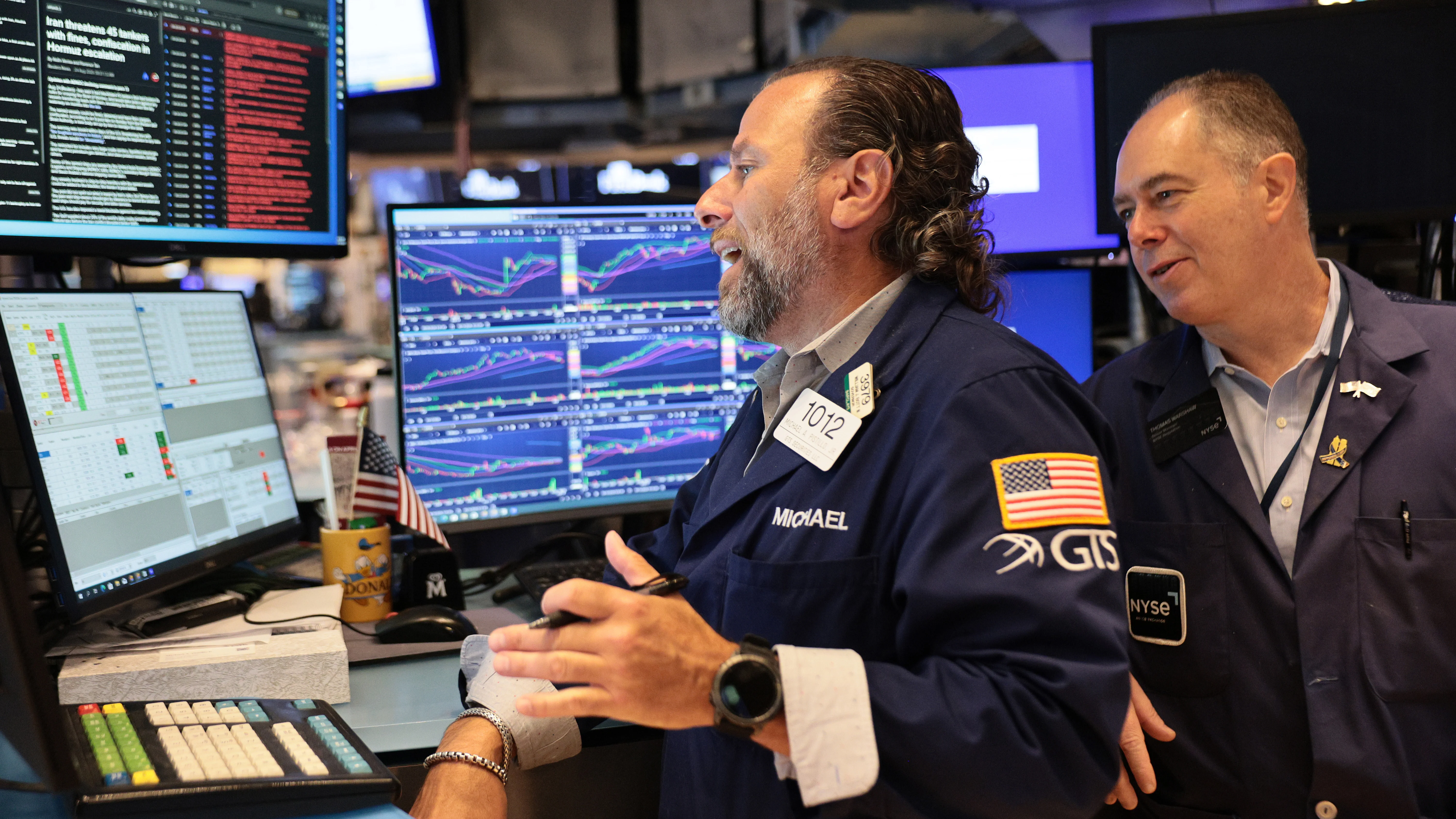
In a notable turn of events for the financial markets, major stock indices registered their best single-day performance in six weeks following a pivotal decision by the Federal Reserve to raise interest rates. Both the S&P 500 and the Nasdaq Composite climbed robustly, each adding more than 1.1 percent during Thursday's trading session. For market observers and business leaders alike, this strong upward momentum came as a point of discussion, given that rate hikes are traditionally viewed as a cooling mechanism for economic activity and equity valuations.
Analyzing the Federal Reserve's Impact
The decision by the Federal Reserve to implement a rate hike is primarily aimed at managing macroeconomic conditions, curbing inflation pressures, and stabilizing long-term economic growth. However, financial markets often react to the context and forward-looking statements accompanying these policy changes rather than the headline action alone. The positive reception by the S&P 500 and Nasdaq Composite suggests that investors may have priced in harsher outcomes or found reassurance in underlying economic fundamentals or commentary provided by central bank officials.
Implications for Investors and Entrepreneurs
For entrepreneurs and investors, market rallies driven by monetary policy shifts present a complex landscape. Key implications include:
- Capital Access: Higher interest rates generally increase borrowing costs for businesses, yet a surging stock market can improve equity financing conditions and investor confidence.
- Valuation Adjustments: Technology-heavy indexes like the Nasdaq remain sensitive to rate environments, making short-term rallies a signal to carefully evaluate growth projections.
- Strategic Planning: Corporate executives must balance the optimistic market signals with the reality of an elevated interest rate environment when planning capital expenditures.
What to Watch Moving Forward
As the financial markets digest the aftermath of the Fed's decision, stakeholders should keep a close eye on several critical factors. Monitoring upcoming corporate earnings reports will provide clearer visibility into how individual companies are managing borrowing costs and consumer demand. Additionally, subsequent inflation data, employment figures, and future commentary from Federal Reserve officials will dictate whether this six-week high is the beginning of a sustained upward trend or a temporary relief rally in a volatile cycle.
For further details and original coverage, readers can refer to the original report on Inc.
Continue reading
Related coverage in Entrepreneurship
inc.com
Tate McRae Expands Into Fragrance and Beyond With Strategic Trademark Filing
Pop star Tate McRae is officially entering the fragrance industry, with comprehensive trademark filings pointing to a much broader brand expansion strategy ahead.
3 min read
inc.com
Oheka Castle Enters Bankruptcy Auction With Strict Event Obligations Through 2028
The iconic Long Island estate Oheka Castle is heading to a Chapter 11 bankruptcy auction, bringing its hotel operations, development rights, and booked events into play.
3 min read
inc.com
The Single Daily Question That Defines True Leadership Effectiveness
Discover how a simple daily self-reflection question can reveal more about your true leadership impact than any executive title or corporate ranking ever could.
2 min read
inc.com
Tesla Workplace Culture Put on Trial: What Employee Complaints Mean for Executive Leadership
Tesla's workplace culture faces severe scrutiny, highlighting a critical leadership test regarding psychological safety and how companies handle employee complaints.
2 min read