Small-Business Borrowing Costs Rise Following Federal Reserve Interest Rate Hike
Small-business owners face increasing borrowing costs after the Federal Reserve's recent 0.25 percent interest rate hike. Discover expert moves to control expenses.
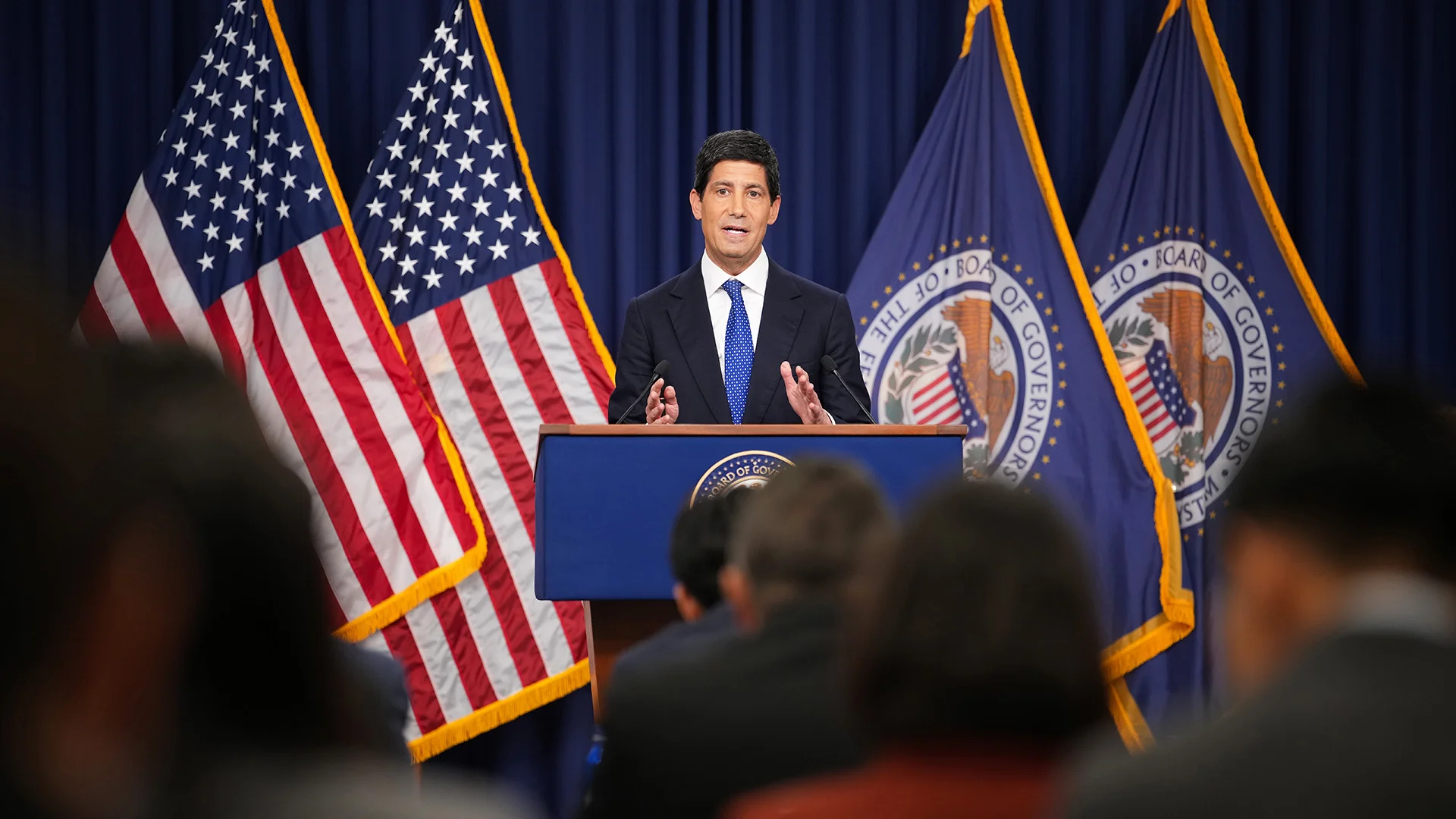
Source image: inc.com
inc.comNavigating the Fed's Latest Rate Hike
The financial landscape for entrepreneurs shifted recently as the Federal Reserve enacted a 0.25 percent interest rate increase. For small-business owners who rely heavily on debt financing, lines of credit, and variable-rate loans, this adjustment immediately translates into higher borrowing costs. As the cost of capital climbs, managing daily expenditures and securing capital for future projects becomes increasingly challenging.
While large corporations often possess diverse financial cushions, small businesses are acutely sensitive to shifts in monetary policy. Experts have analyzed the situation to provide actionable guidance, helping business leaders identify strategic moves to keep overhead and financing expenses under tight control during this high-rate cycle.
Why Higher Borrowing Costs Matter for Entrepreneurs
For any growing enterprise, capital is the lifeblood of expansion, inventory acquisition, and cash flow stabilization. When interest rates rise, the cost of servicing existing debt scales upward, eating into profit margins that may already be constrained by inflation and shifting consumer demands.
Entrepreneurs must now re-evaluate their financial commitments. Higher borrowing costs mean that funding a new project or managing a temporary cash flow crunch via credit lines will cost significantly more than it did previously. This reality forces business leaders to prioritize essential expenditures and look closely at alternative ways to fund operations without succumbing to exorbitant interest payments.
Strategic Moves to Control Financial Exposure
To mitigate the impact of the Federal Reserve's policy shift, financial experts recommend several strategic maneuvers for small-business owners:
- Audit existing debt: Review all current loans and credit lines to identify variable-rate products that are immediately exposed to rate hikes.
- Explore refinancing options: Speak with lenders about locking in fixed rates where possible to shield the business from future upward adjustments.
- Optimize cash flow: Accelerate receivables and carefully manage payables to reduce reliance on short-term borrowing.
- Prioritize high-ROI projects: Ensure that any capital deployment yields a return that comfortably outpaces the newly elevated cost of borrowing.
Broader Market Implications
The broader economic environment reflects a cooling period as central banks attempt to temper economic activity. For the broader market, tightening credit conditions can lead to slower expansion rates among small and medium-sized enterprises, which collectively form a major pillar of economic employment and innovation.
As commercial lending standards tighten in response to higher rates, investors and entrepreneurs alike must adopt a more cautious approach to leverage. Valuations may adjust as businesses generate lower net income due to increased debt servicing costs, altering the dynamics of private funding and small-business acquisitions.
What Readers Should Watch
Executives, investors, and entrepreneurs should keep a close eye on several key indicators in the coming months:
- Future Federal Reserve announcements regarding potential pauses, cuts, or additional rate hikes.
- Commercial bank lending behavior and whether credit availability becomes more restrictive.
- Small-business default rates and delinquency trends across major lending institutions.
- Local and national economic data reflecting consumer spending health and inflation metrics.
By staying informed and proactive, business leaders can better insulate their enterprises against macroeconomic turbulence and maintain financial resilience.
For further details and reader verification, you can review the original coverage at the Inc. Source Article.
Continue reading
Related coverage in Leadership
inc.com
Tate McRae Enters the Fragrance Market with Broad Trademark Strategy
Singer Tate McRae is expanding into the fragrance industry with a trademark that extends well beyond perfume, signaling ambitious multi-category brand growth ahead.
2 min read
inc.com
Oheka Castle Heads to Bankruptcy Auction with Strict Terms for Prospective Buyers
Famed Long Island estate Oheka Castle prepares for a Chapter 11 bankruptcy auction, requiring its next buyer to honor booked events extending all the way into 2028.
3 min read
inc.com
Evaluating Leadership Effectiveness: The Daily Question That Matters More Than Your Title
Discover how a single daily self-reflection question can redefine your leadership effectiveness and outperform traditional titles in driving organizational success.
3 min read
inc.com
Tesla Workplace Culture Put to the Test as Employee Complaints Spark Broad Leadership Debate
Tesla's workplace culture faces severe scrutiny, highlighting a critical leadership test regarding psychological safety and how organizations respond to employee complaints.
2 min read