Sen. Mark Warner Dismisses Donald Trump AI Proposal as Industry Warnings Intensify
Senator Mark Warner has strongly criticized Donald Trump's AI guardrails proposal as absurd, emphasizing that securing AI safety is a critical priority.
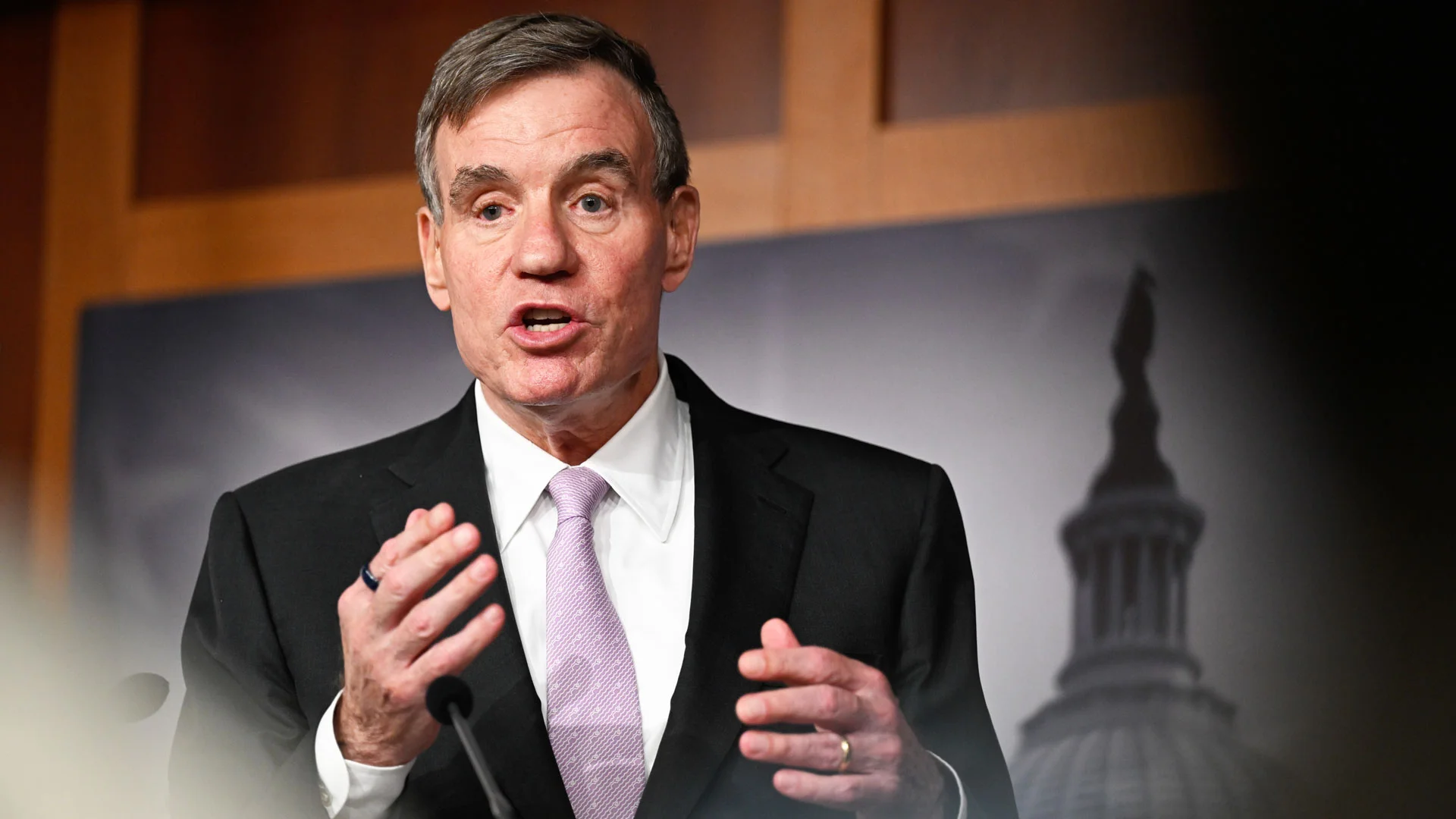
Source image: inc.com
inc.comIntroduction to the AI Regulation Debate
The landscape of artificial intelligence governance in the United States continues to face intense scrutiny and ideological friction. In an exclusive interview with Inc., Senator Mark Warner of Virginia addressed pressing policy concerns regarding artificial intelligence, directing sharp criticism toward Donald Trump's conceptual approach to AI guardrails. Senator Warner characterized the proposal as 'absurd,' injecting a high-profile political voice into an already fraught national conversation about how the federal government should oversee rapidly evolving technologies.
Industry Warnings and the Core Challenge
Senator Warner’s comments arrive at a time when warnings from artificial intelligence industry insiders, researchers, and ethicists are steadily mounting. According to the senator, getting AI safety right is not merely a regulatory checkbox; it is the single most important problem that society needs to solve right now. As foundational models become more powerful and autonomous, the risks associated with unchecked deployment—ranging from misinformation and economic disruption to national security vulnerabilities—have elevated safety to a paramount issue for both legislators and enterprise leaders.
- Policy Friction: Diverging viewpoints between political figures complicate the path toward a cohesive federal regulatory framework.
- Industry Urgency: Practitioners and developers continue to sound alarms regarding the speed of scaling versus safety verification.
- Prioritization: Securing proper guardrails is framed as an urgent, existential priority for the technology sector.
Market Implications for Executives and Investors
For corporate executives, investors, and entrepreneurs, the ongoing public disagreement between political leaders and the lack of consensus on AI regulation create a complex operating environment. Market participants rely heavily on regulatory clarity to plan long-term capital allocation, compliance strategies, and product development lifecycles. When political figures clash over fundamental concepts like guardrails, it signals prolonged uncertainty. Investors must factor in potential regulatory shifts that could alter compliance costs, slow down deployment cycles, or impose strict liability standards on enterprise AI solutions.
What Readers Should Watch
As this debate unfolds, executives and industry observers should monitor several key indicators:
- Legislative Momentum: Track any bipartisan or partisan bills introduced in Congress that attempt to codify AI safety standards or establish federal oversight bodies.
- Industry Self-Regulation: Observe how major AI labs and enterprise software providers respond to political pressures by implementing their own voluntary safety protocols.
- Executive Branch Actions: Keep an eye on potential administrative directives or executive orders that could shape federal AI policy independently of legislative gridlock.
Ultimately, Senator Warner’s intervention highlights the high stakes of artificial intelligence policy. As the technology continues to mature, bridging the gap between political rhetoric and technical reality will remain a defining challenge for the modern business and regulatory ecosystem. Readers can review the original reporting and context directly via the source link at Inc.
Continue reading
Related coverage in Leadership
inc.com
Tate McRae Enters the Fragrance Market with Broad Trademark Strategy
Singer Tate McRae is expanding into the fragrance industry with a trademark that extends well beyond perfume, signaling ambitious multi-category brand growth ahead.
2 min read
inc.com
Oheka Castle Heads to Bankruptcy Auction with Strict Terms for Prospective Buyers
Famed Long Island estate Oheka Castle prepares for a Chapter 11 bankruptcy auction, requiring its next buyer to honor booked events extending all the way into 2028.
3 min read
inc.com
Evaluating Leadership Effectiveness: The Daily Question That Matters More Than Your Title
Discover how a single daily self-reflection question can redefine your leadership effectiveness and outperform traditional titles in driving organizational success.
3 min read
inc.com
Tesla Workplace Culture Put to the Test as Employee Complaints Spark Broad Leadership Debate
Tesla's workplace culture faces severe scrutiny, highlighting a critical leadership test regarding psychological safety and how organizations respond to employee complaints.
2 min read