Preventing Alzheimer's: 5 Lifelong Habits to Protect Executive Brain Health
New insights for World Alzheimer's Day reveal that brain changes begin 20 years before symptoms appear, making early lifestyle habits crucial for entrepreneurs.
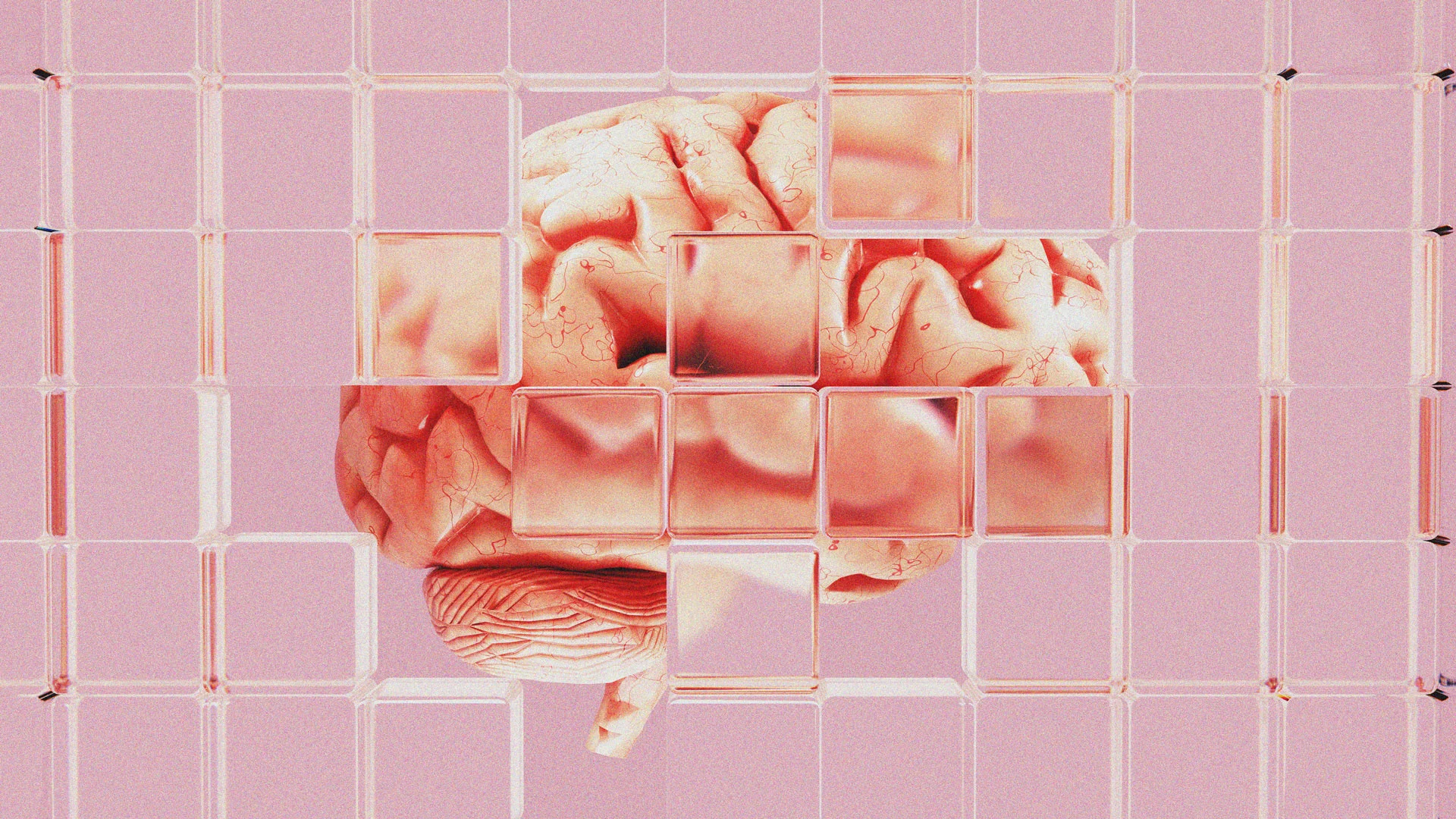
Source image: inc.com
inc.comUnderstanding the Two-Decade Window of Brain Health
Recent public health disclosures surrounding World Alzheimer's Day emphasize a critical timeline for neurological wellness: measurable brain changes often begin as many as twenty years before outward symptoms of cognitive decline appear. For leaders, entrepreneurs, and investors whose primary capital is cognitive performance, this insight shifts the paradigm of health management from reactive treatment to proactive, long-term preservation.
Why Lifelong Cognitive Protection Matters for Leaders
In the high-stakes worlds of entrepreneurship and corporate leadership, mental sharpness, strategic foresight, and rapid decision-making are paramount. Understanding that neurological health is shaped decades in advance means that professional longevity is deeply intertwined with daily lifestyle choices made today. Protecting cognitive function is not just a personal health goal; it is a foundational pillar of sustainable business leadership and career durability.
Five Small Habits to Boost Memory and Executive Function
Experts recommend integrating manageable, consistent routines into daily life to support long-term brain health and enhance cognitive stamina:
- Prioritize Restorative Sleep: Consistent, high-grade sleep allows the brain to clear metabolic waste accumulated during demanding workdays.
- Engage in Continuous Learning: Challenging the brain with novel concepts and complex problem-solving builds cognitive reserve.
- Maintain Consistent Physical Activity: Regular movement increases blood flow to the brain and stimulates neurogenesis.
- Optimize Nutritional Intake: Whole, nutrient-dense foods support neural pathways and reduce systemic inflammation.
- Practice Active Stress Management: Mitigating chronic stress protects the hippocampus, a critical region for memory formation and emotional regulation.
Market Implications and the Future of Brain Health
The growing recognition of early-onset neurological preparation is driving significant shifts across multiple sectors. Investors are increasingly looking toward the longevity economy, wellness tech, and corporate health programs that emphasize cognitive optimization. Businesses that foster environments supporting mental well-being and stress reduction will likely see higher retention, productivity, and innovation among their leadership teams.
What Readers Should Watch
Entrepreneurs and investors should monitor emerging trends in corporate wellness, preventative neurology, and digital health tools designed to track and enhance cognitive performance. As scientific understanding evolves, the integration of brain health metrics into standard executive check-ups will likely become a benchmark for professional success. For further details and original commentary, read the full report at Inc.
Continue reading
Related coverage in Entrepreneurship
inc.com
Tate McRae Expands Into Fragrance and Beyond With Strategic Trademark Filing
Pop star Tate McRae is officially entering the fragrance industry, with comprehensive trademark filings pointing to a much broader brand expansion strategy ahead.
3 min read
inc.com
Oheka Castle Enters Bankruptcy Auction With Strict Event Obligations Through 2028
The iconic Long Island estate Oheka Castle is heading to a Chapter 11 bankruptcy auction, bringing its hotel operations, development rights, and booked events into play.
3 min read
inc.com
The Single Daily Question That Defines True Leadership Effectiveness
Discover how a simple daily self-reflection question can reveal more about your true leadership impact than any executive title or corporate ranking ever could.
2 min read
inc.com
Tesla Workplace Culture Put on Trial: What Employee Complaints Mean for Executive Leadership
Tesla's workplace culture faces severe scrutiny, highlighting a critical leadership test regarding psychological safety and how companies handle employee complaints.
2 min read