North Korean Hackers Posed as Recruiters to Infect 30,000 Devices Worldwide
North Korean hackers posing as recruiters infected 30,000 devices worldwide through malicious coding assignments and video-conferencing fixes, targeting corporate networks.
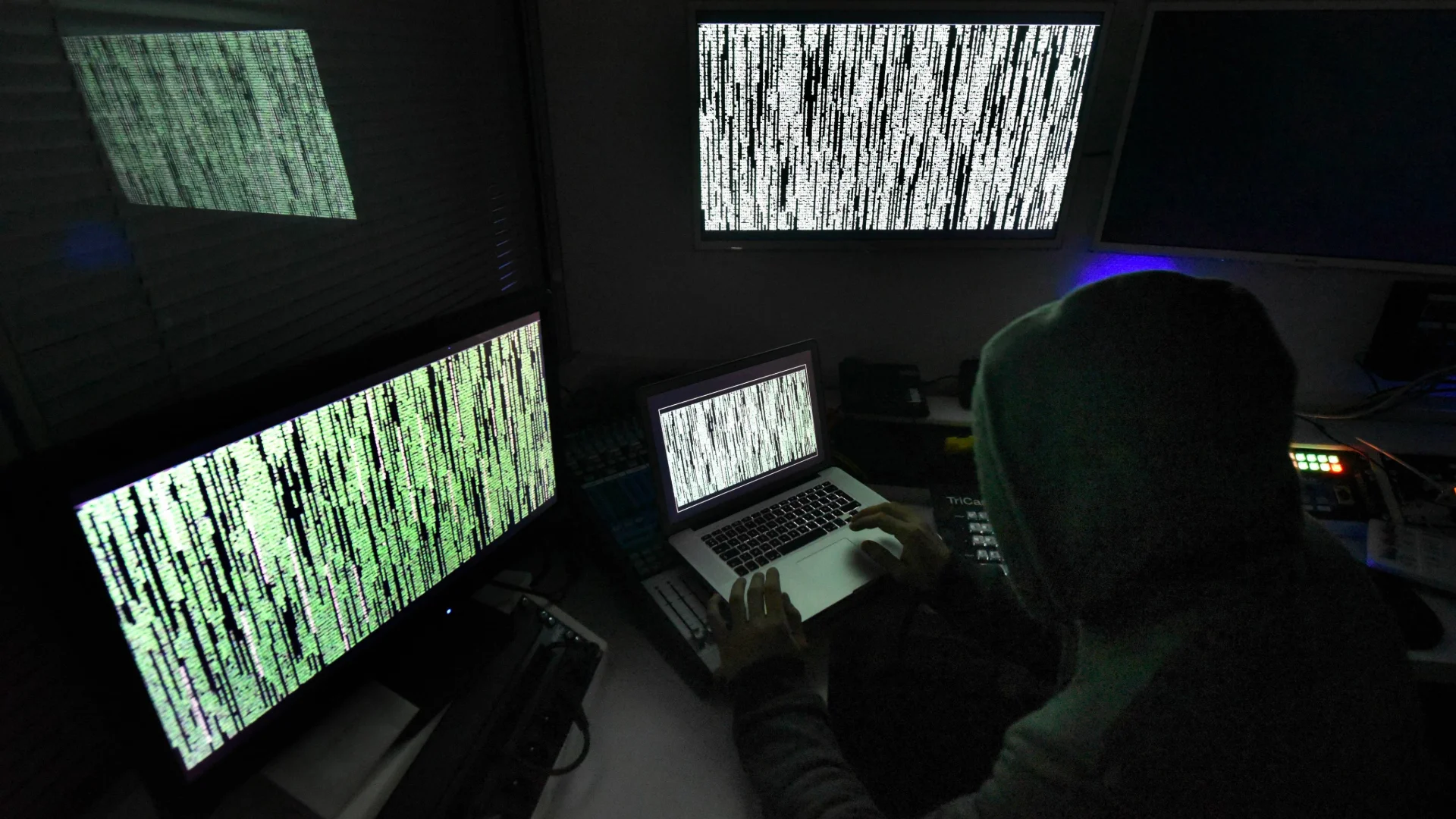
Source image: inc.com
inc.comThe Anatomy of a Global Infiltration Campaign
In a stark reminder of the evolving cyber threat landscape, authorities have revealed that North Korean hackers executed a massive campaign by masquerading as corporate recruiters. Targeting the global tech workforce, the threat actors leveraged fake job opportunities to lure unsuspecting software developers into downloading malicious payloads. These attacks were primarily delivered through seemingly routine coding assignments and unauthorized video-conferencing software fixes, bypassing standard security hygiene.
According to security findings, the campaign successfully compromised roughly 30,000 devices worldwide. Once a developer executed the malicious code or installed the compromised conferencing tools, the malware established persistent access, enabling the attackers to move laterally from individual endpoints into wider corporate and enterprise networks. This vector exploits the high-trust environment of technical interviews and remote collaboration, turning a company's own hiring pipeline into an initial access vector.
Why This Cyber Threat Matters to Executives
For business leaders, founders, and security executives, this campaign represents a significant escalation in targeted corporate espionage and infiltration tactics. Software developers possess privileged access to source code repositories, internal production environments, and sensitive enterprise architecture. When a developer's workstation is compromised, the blast radius extends far beyond a single machine, threatening intellectual property and customer data.
The use of fake recruitment channels also underscores the human element of cybersecurity. Traditional perimeter defenses are often ineffective when employees willingly execute files or install software under the guise of career advancement. Organizations must recognize that threat actors are actively weaponizing the modern remote-work hiring ecosystem to penetrate high-value targets.
- Endpoint Vulnerability: Individual developer workstations remain primary targets for sophisticated threat actors seeking internal network footholds.
- Social Engineering: The blending of recruitment processes with malicious payloads exploits professional aspirations and trust.
- Supply Chain Risks: Compromised developer environments can lead to poisoned software updates and compromised enterprise products.
Market Implications and Enterprise Risk
The financial and operational implications of this widespread campaign are profound. Enterprises forced to remediate large-scale network breaches face substantial incident response costs, potential regulatory scrutiny, and severe intellectual property theft. Furthermore, if malicious actors manage to inject malicious code into commercial software via compromised developer accounts, the downstream liability for tech companies can be catastrophic.
Investors are increasingly factoring cybersecurity resilience into their due diligence processes. Startups and scale-ups that lack robust endpoint security and rigorous vetting for remote contractors may find themselves facing capital allocation hurdles or insurance denials. Protecting enterprise value now requires treating third-party contractors and remote interview processes with the same security rigor applied to core corporate infrastructure.
Key Indicators to Watch Moving Forward
As security agencies continue to investigate the scope of this North Korean threat campaign, executives and technology leaders should monitor several key developments:
- Enhanced Vetting Standards: Expect stricter compliance frameworks and identity verification protocols for remote technical contractors and software developers.
- Endpoint Detection Evolution: Security vendors are rapidly deploying advanced behavioral monitoring tools designed to detect unauthorized script executions during interview processes.
- Regulatory Guidance: Government bodies and cybersecurity agencies are likely to issue updated advisories detailing specific indicators of compromise related to fake recruiter networks.
Ultimately, safeguarding modern enterprises requires an organizational culture where hiring pipelines are treated as critical security perimeters. By acknowledging the ingenuity of state-sponsored threat actors and hardening developer environments, businesses can better insulate themselves against future campaigns of this scale.
Continue reading
Related coverage in Entrepreneurship
inc.com
Tate McRae Expands Into Fragrance and Beyond With Strategic Trademark Filing
Pop star Tate McRae is officially entering the fragrance industry, with comprehensive trademark filings pointing to a much broader brand expansion strategy ahead.
3 min read
inc.com
Oheka Castle Enters Bankruptcy Auction With Strict Event Obligations Through 2028
The iconic Long Island estate Oheka Castle is heading to a Chapter 11 bankruptcy auction, bringing its hotel operations, development rights, and booked events into play.
3 min read
inc.com
The Single Daily Question That Defines True Leadership Effectiveness
Discover how a simple daily self-reflection question can reveal more about your true leadership impact than any executive title or corporate ranking ever could.
2 min read
inc.com
Tesla Workplace Culture Put on Trial: What Employee Complaints Mean for Executive Leadership
Tesla's workplace culture faces severe scrutiny, highlighting a critical leadership test regarding psychological safety and how companies handle employee complaints.
2 min read