North Korean Hackers Compromise 30,000 Devices Worldwide in Sophisticated Tech Recruitment Scam
Authorities issue urgent warnings after North Korean hackers pose as tech recruiters, deploying malicious coding assignments and fake video tools to infect 30,000 devices.
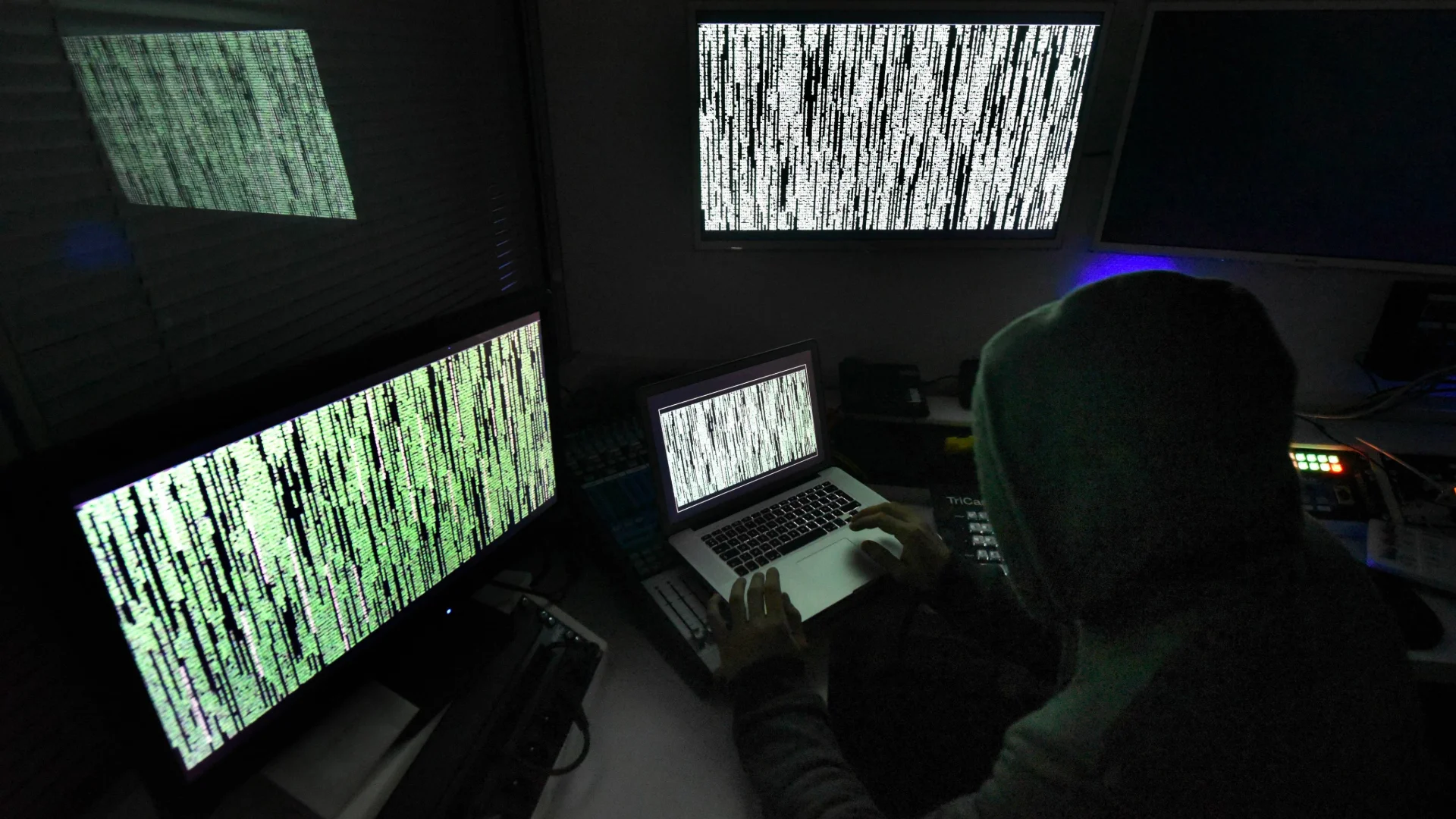
Source image: inc.com
inc.comAnatomy of a Global Recruitment Scam
In a stark reminder of the escalating cybersecurity threats facing the global technology sector, international authorities have revealed a massive campaign orchestrated by North Korean state-sponsored hackers. By posing as legitimate tech recruiters, these threat actors managed to compromise more than 30,000 devices worldwide. The operation targeted software developers and engineering talent through trusted communication channels, leveraging the hiring process as an entry point into corporate environments.
The attackers utilized sophisticated social engineering techniques, reaching out to high-value targets with enticing job opportunities. Once engagement was established, the hackers directed candidates to complete technical evaluations or coding assignments that contained hidden malicious payloads. In other instances, victims were instructed to install compromised video-conferencing fixes or specialized collaboration tools required for remote interviews, directly exposing their personal workstations and, by extension, their employers' enterprise networks.
Why This Threat Matters for Enterprise Leadership
For executives, chief information security officers, and business owners, this campaign represents a critical evolution in cyberattack vectors. Traditional perimeter defenses are increasingly ineffective when threat actors bypass firewalls by exploiting human trust and standard operational workflows like recruitment. When a developer's device is compromised, organizations face severe risks, including intellectual property theft, unauthorized access to proprietary source code, ransomware deployment, and potential corporate espionage.
Furthermore, remote work policies have expanded the corporate attack surface. As organizations continue to embrace distributed engineering teams and global talent pools, the verification of recruiter identities and the sandboxing of technical evaluation environments have become paramount. Failing to secure the recruitment pipeline leaves a gaping backdoor open to sophisticated state-sponsored threat groups.
Market and Industry Implications
The revelation of this widespread campaign carries profound implications for the technology market and the recruitment industry as a whole:
- Increased Compliance and Vetting Costs: Companies will likely need to invest heavily in verifying third-party recruiters and implementing stringent identity checks for all hiring touchpoints.
- Stricter Technical Assessment Protocols: Organizations must re-evaluate how coding tests are administered, moving away from downloadable executables or unverified repositories toward secure, browser-based sandboxed environments.
- Impact on Remote Work Dynamics: While remote hiring remains essential for scaling tech talent, heightened paranoia regarding foreign threat actors could lead to tighter restrictions on cross-border contractor onboarding.
- Vendor and Tool Scrutiny: Enterprise security teams will increase scrutiny on collaboration software and video-conferencing tools used during recruitment and onboarding phases.
What Executives and Investors Should Watch
As authorities continue to investigate the full extent of this global campaign, business leaders and investors should monitor several key developments to safeguard their portfolios and enterprises:
First, keep a close eye on regulatory and law enforcement guidance regarding indicators of compromise associated with North Korean IT worker schemes and fake recruitment fronts. Second, watch for advancements in zero-trust endpoint solutions that specifically isolate developer environments during the interview and onboarding stages. Finally, evaluate internal HR and IT collaboration policies to ensure that technical screening processes adhere to the highest security standards without hindering talent acquisition efficiency. For further details on this developing story, read the original report at Inc.
Continue reading
Related coverage in Leadership
inc.com
Tate McRae Enters the Fragrance Market with Broad Trademark Strategy
Singer Tate McRae is expanding into the fragrance industry with a trademark that extends well beyond perfume, signaling ambitious multi-category brand growth ahead.
2 min read
inc.com
Oheka Castle Heads to Bankruptcy Auction with Strict Terms for Prospective Buyers
Famed Long Island estate Oheka Castle prepares for a Chapter 11 bankruptcy auction, requiring its next buyer to honor booked events extending all the way into 2028.
3 min read
inc.com
Evaluating Leadership Effectiveness: The Daily Question That Matters More Than Your Title
Discover how a single daily self-reflection question can redefine your leadership effectiveness and outperform traditional titles in driving organizational success.
3 min read
inc.com
Tesla Workplace Culture Put to the Test as Employee Complaints Spark Broad Leadership Debate
Tesla's workplace culture faces severe scrutiny, highlighting a critical leadership test regarding psychological safety and how organizations respond to employee complaints.
2 min read