New Research Review Reveals Morning Caffeine Disrupts Sleep, Impacting Executive Performance
A comprehensive review of 32 studies indicates that caffeine's physiological effects linger much longer than previously assumed, directly challenging daily executive routines.
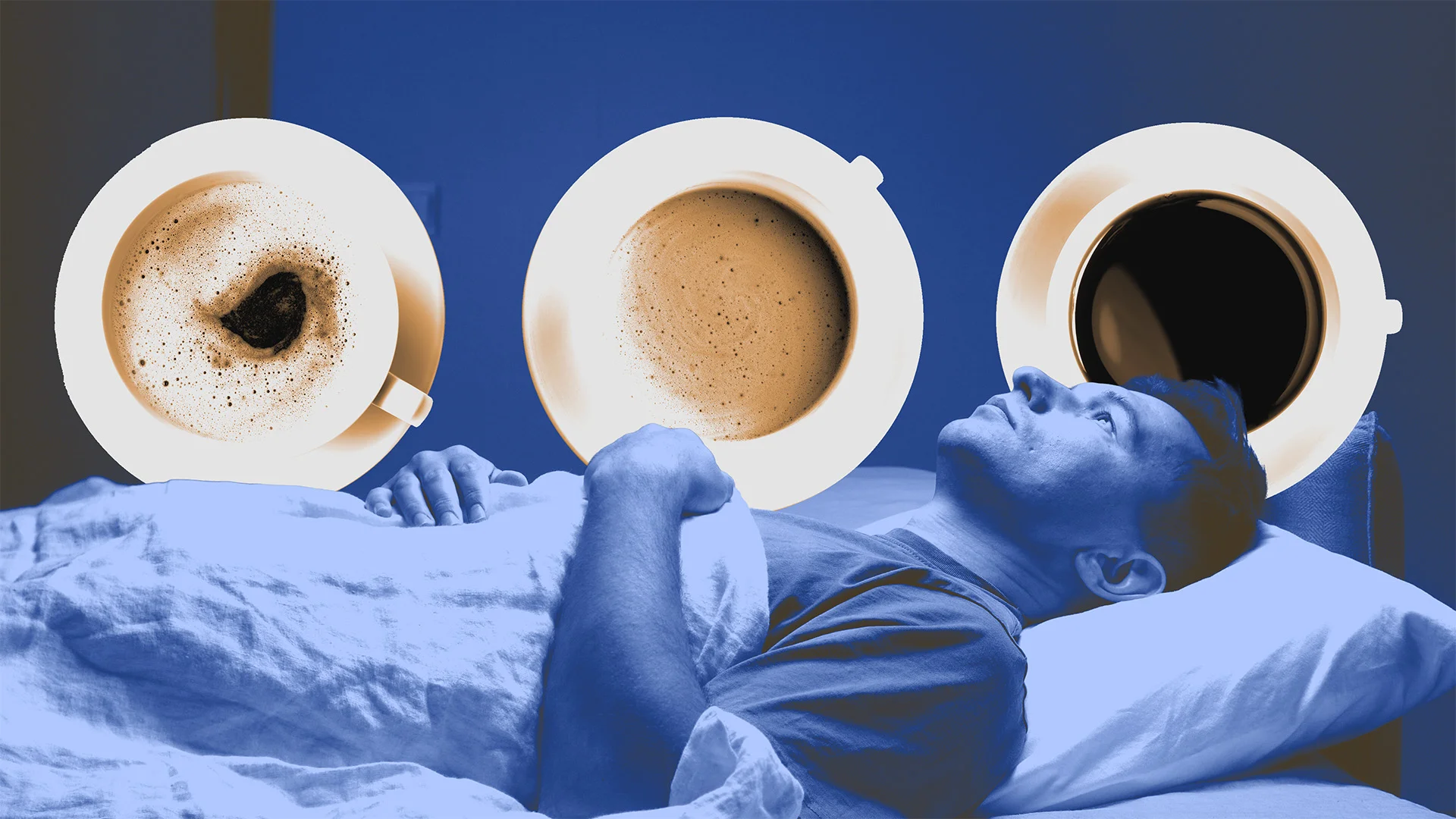
Source image: inc.com
inc.comThe Science Behind Lingering Caffeine
A comprehensive new review analyzing 32 separate studies has provided compelling evidence regarding how long caffeine remains active within the human body. Contrary to popular belief that a morning cup of coffee is completely metabolized by bedtime, the data demonstrates that residual caffeine can persist and interfere with sleep architectures. This insight shifts the narrative from immediate alertness to long-term physiological impact.
Implications for Leadership and Executive Performance
For executives and entrepreneurs, peak cognitive performance is inextricably linked to adequate, high-quality rest. Decision-making, strategic planning, and risk assessment all suffer when sleep is compromised. Understanding that morning caffeine can subtly degrade sleep depth means leaders must reconsider their daily routines. Key considerations include:
- Reassessing daily caffeine intake limits and cut-off times.
- Recognizing the cumulative impact of stimulants on recovery and stress resilience.
- Prioritizing biological sleep tracking to measure actual rest quality versus perceived fatigue.
Market and Industry Implications
The wellness, functional beverage, and corporate health sectors stand to feel the ripple effects of this research. As awareness grows regarding sleep hygiene and stimulant metabolism, consumer demand is shifting toward alternative functional beverages, decaffeinated craft options, and targeted sleep-aid supplements. Corporate wellness programs are also expected to incorporate more nuanced education on stimulants, moving past basic productivity hacks to focus on sustainable biological health.
What to Watch Moving Forward
As nutritional science continues to unpack the complexities of human metabolism, investors and industry watchers should monitor shifts in consumer packaged goods (CPG) trends. Watch for an increase in product lines focusing on low-caffeine or caffeine-free alternatives designed for the afternoon and morning markets, as well as innovations in corporate wellness tech. For further details, read the original report at Inc.
Continue reading
Related coverage in Leadership
inc.com
Tate McRae Enters the Fragrance Market with Broad Trademark Strategy
Singer Tate McRae is expanding into the fragrance industry with a trademark that extends well beyond perfume, signaling ambitious multi-category brand growth ahead.
2 min read
inc.com
Oheka Castle Heads to Bankruptcy Auction with Strict Terms for Prospective Buyers
Famed Long Island estate Oheka Castle prepares for a Chapter 11 bankruptcy auction, requiring its next buyer to honor booked events extending all the way into 2028.
3 min read
inc.com
Evaluating Leadership Effectiveness: The Daily Question That Matters More Than Your Title
Discover how a single daily self-reflection question can redefine your leadership effectiveness and outperform traditional titles in driving organizational success.
3 min read
inc.com
Tesla Workplace Culture Put to the Test as Employee Complaints Spark Broad Leadership Debate
Tesla's workplace culture faces severe scrutiny, highlighting a critical leadership test regarding psychological safety and how organizations respond to employee complaints.
2 min read