New 95,000-Person Study Links REM and Deep Sleep to Lower Disease Risk
A massive new study involving 95,000 participants reveals that getting higher amounts of REM and deep sleep is significantly linked to a lower risk of 83 distinct diseases.
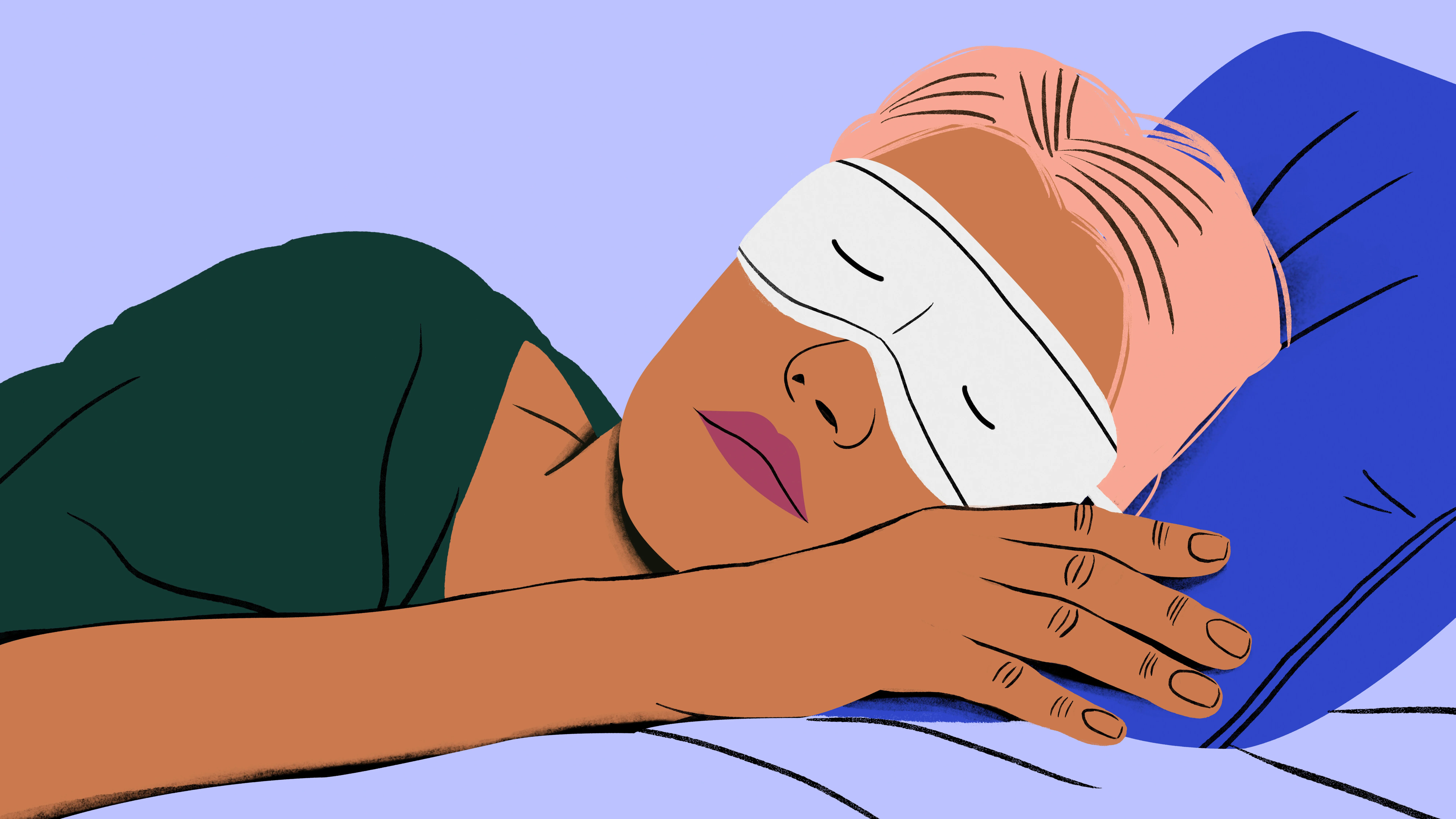
Source image: inc.com
inc.comThe Sleep-Health Nexus: What the Data Shows
A landmark study examining data from 95,000 participants has brought fresh scientific validation to the age-old advice of getting a good night's rest. The research highlights that increasing the duration of both REM (Rapid Eye Movement) and deep sleep is directly linked to a substantially lower risk of developing 83 different diseases. While popular discourse often treats sleep as a monolithic block of time, this study emphasizes the critical role of specific sleep stages in maintaining long-term physical and mental resilience.
Why This Matters for Leaders and Entrepreneurs
For high-performing executives and entrepreneurs, time is often traded for productivity, with sleep being the primary casualty. However, this study reframes sleep not as passive downtime, but as an active biological defense mechanism against dozens of chronic conditions. Understanding that robust REM and deep sleep cycles protect against a vast spectrum of 83 illnesses underscores the high cost of sleep deprivation on human capital. Leaders who prioritize structured recovery stand to gain not only personal longevity and cognitive sharpness but also more sustainable, resilient organizations.
Market Implications and the Wellness Economy
The commercial implications of these findings for the health, biotech, and wellness sectors are profound. As consumers become increasingly aware of the quantified value of REM and deep sleep:
- Wearable Tech Innovation: Demand will surge for advanced consumer diagnostics capable of accurately tracking and improving specific sleep stages rather than just total sleep time.
- Corporate Wellness Evolution: Forward-thinking companies will integrate science-backed sleep education and recovery perks into their standard executive and employee benefits packages.
- Sleep Therapeutics: Pharmaceutical and digital health startups focusing on sleep architecture enhancement will attract heightened venture capital and investor interest.
What to Watch Next
As researchers continue to unpack the granular data from this 95,000-person cohort, stakeholders should monitor how corporate policy and health markets adapt. Key indicators to watch include the rollout of next-generation biometric trackers, shifts in employer-sponsored health programs emphasizing preventive restorative sleep, and upcoming clinical trials targeting sleep stage optimization as a preventive intervention for chronic disease.
Continue reading
Related coverage in Leadership
inc.com
Tate McRae Enters the Fragrance Market with Broad Trademark Strategy
Singer Tate McRae is expanding into the fragrance industry with a trademark that extends well beyond perfume, signaling ambitious multi-category brand growth ahead.
2 min read
inc.com
Oheka Castle Heads to Bankruptcy Auction with Strict Terms for Prospective Buyers
Famed Long Island estate Oheka Castle prepares for a Chapter 11 bankruptcy auction, requiring its next buyer to honor booked events extending all the way into 2028.
3 min read
inc.com
Evaluating Leadership Effectiveness: The Daily Question That Matters More Than Your Title
Discover how a single daily self-reflection question can redefine your leadership effectiveness and outperform traditional titles in driving organizational success.
3 min read
inc.com
Tesla Workplace Culture Put to the Test as Employee Complaints Spark Broad Leadership Debate
Tesla's workplace culture faces severe scrutiny, highlighting a critical leadership test regarding psychological safety and how organizations respond to employee complaints.
2 min read