Nashville's 12South Real Estate Boom: $12M Deal Highlights Corporate Retail Influx and Local Pressures
A recent $12 million commercial property deal in Nashville's 12South neighborhood highlights how luxury brands and viral tourism are squeezing independent local businesses out.
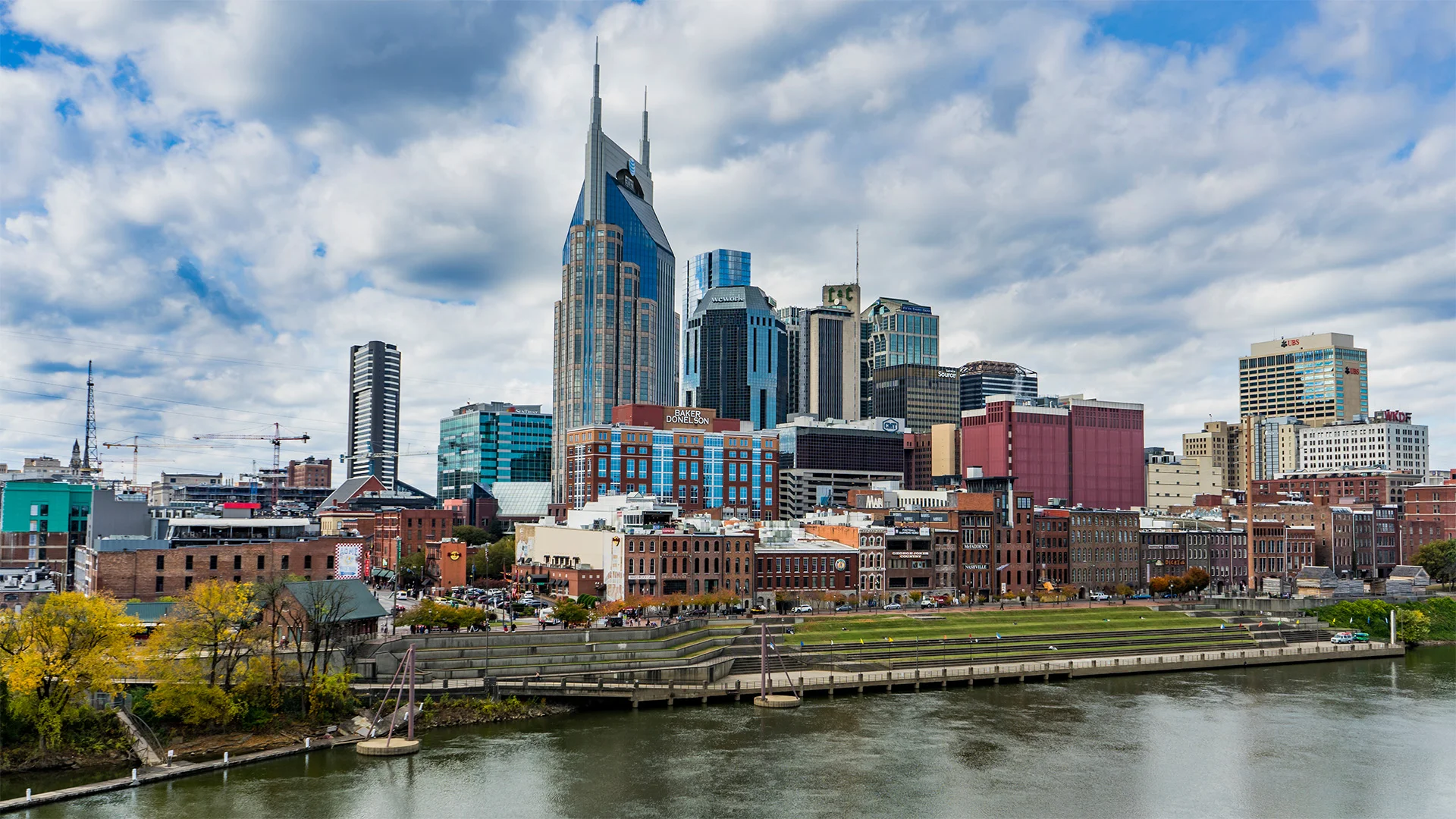
Source image: inc.com
inc.comThe Corporate Gold Rush in Nashville's 12South
The commercial real estate landscape in Nashville's 12South neighborhood has reached a critical inflection point, anchored by a high-profile $12 million property transaction. This influx of institutional capital illustrates the immense value that major retail brands place on hyper-local, highly visible cultural districts. On any given day, the sidewalks of 12th Avenue are crowded with tourists and visitors drawn by viral social media content, creating a ready-made consumer base with substantial disposable income. For national brands and venture-backed chains—such as the Dallas-based cafe La La Land, known for its distinctive yellow latte lids—establishing a physical footprint here guarantees direct exposure to a highly sought-after demographic.
However, this corporate migration comes at a steep cost to the community fabric that originally made 12South an attractive destination. As commercial landlords chase top-dollar lease agreements from deep-pocketed corporate tenants, market valuations and property taxes climb exponentially. This leaves independent entrepreneurs and homegrown retailers struggling to absorb escalating overhead costs.
Why This Urban Retail Shift Matters
The transformation of 12South serves as a microcosm of commercial displacement occurring in thriving cultural districts nationwide. For executives, investors, and entrepreneurs, the situation highlights several critical tensions in modern retail strategy:
- Commercial Real Estate Inflation: Multi-million dollar property deals elevate baseline land values, effectively pricing out independent operators who lack corporate backing.
- The TikTok Economy: Physical retail performance is increasingly dictated by digital virality and Instagram-friendly aesthetics, changing how brands calculate return on investment for brick-and-mortar spaces.
- Erosion of Local Authenticity: When rising costs displace the unique boutiques and mom-and-pop shops that built a neighborhood's reputation, districts risk losing the very charm that attracted consumers in the first place.
Broader Market Implications for Investors
From an investment perspective, prime urban retail corridors in high-growth metropolitan areas like Nashville remain defensive yet aggressive growth assets. Institutional investors view locations with high foot traffic and heavy tourism as secure hedges against e-commerce disruption. Nevertheless, heavy corporate saturation introduces long-term cyclical risks. If neighborhoods become overly homogenized, tourist fatigue can set in, potentially impacting long-term retail yields and property valuations.
Entrepreneurs looking to expand into trendy urban zones must carefully model capital expenditure against aggressive rent escalations. Relying purely on foot traffic is no longer sufficient; businesses require strong omnichannel strategies and high margins to survive in hyper-gentrified commercial corridors.
What Readers and Investors Should Watch
To navigate the evolving urban retail market, stakeholders should monitor key indicators over the coming quarters:
- Commercial Lease Retention Rates: Track the percentage of independent versus corporate lease renewals in premier urban submarkets.
- Municipal Regulatory Responses: Watch for potential city-level interventions, such as zoning overlays or commercial rent stabilization proposals designed to protect local merchants.
- Consumer Sentiment Shifts: Evaluate whether visitors begin to experience fatigue with heavily commercialized districts, shifting their spending toward alternative, less saturated neighborhoods.
For ongoing coverage and granular financial breakdowns of commercial real estate trends, readers can review the original reporting at Inc.
Continue reading
Related coverage in Leadership
inc.com
Tate McRae Enters the Fragrance Market with Broad Trademark Strategy
Singer Tate McRae is expanding into the fragrance industry with a trademark that extends well beyond perfume, signaling ambitious multi-category brand growth ahead.
2 min read
inc.com
Oheka Castle Heads to Bankruptcy Auction with Strict Terms for Prospective Buyers
Famed Long Island estate Oheka Castle prepares for a Chapter 11 bankruptcy auction, requiring its next buyer to honor booked events extending all the way into 2028.
3 min read
inc.com
Evaluating Leadership Effectiveness: The Daily Question That Matters More Than Your Title
Discover how a single daily self-reflection question can redefine your leadership effectiveness and outperform traditional titles in driving organizational success.
3 min read
inc.com
Tesla Workplace Culture Put to the Test as Employee Complaints Spark Broad Leadership Debate
Tesla's workplace culture faces severe scrutiny, highlighting a critical leadership test regarding psychological safety and how organizations respond to employee complaints.
2 min read