Meta's Next Smart Glasses Shift Focus to Privacy and Social Acceptance
A recent report indicates Meta's upcoming smart glasses may introduce critical changes addressing privacy concerns, potentially improving public reception.
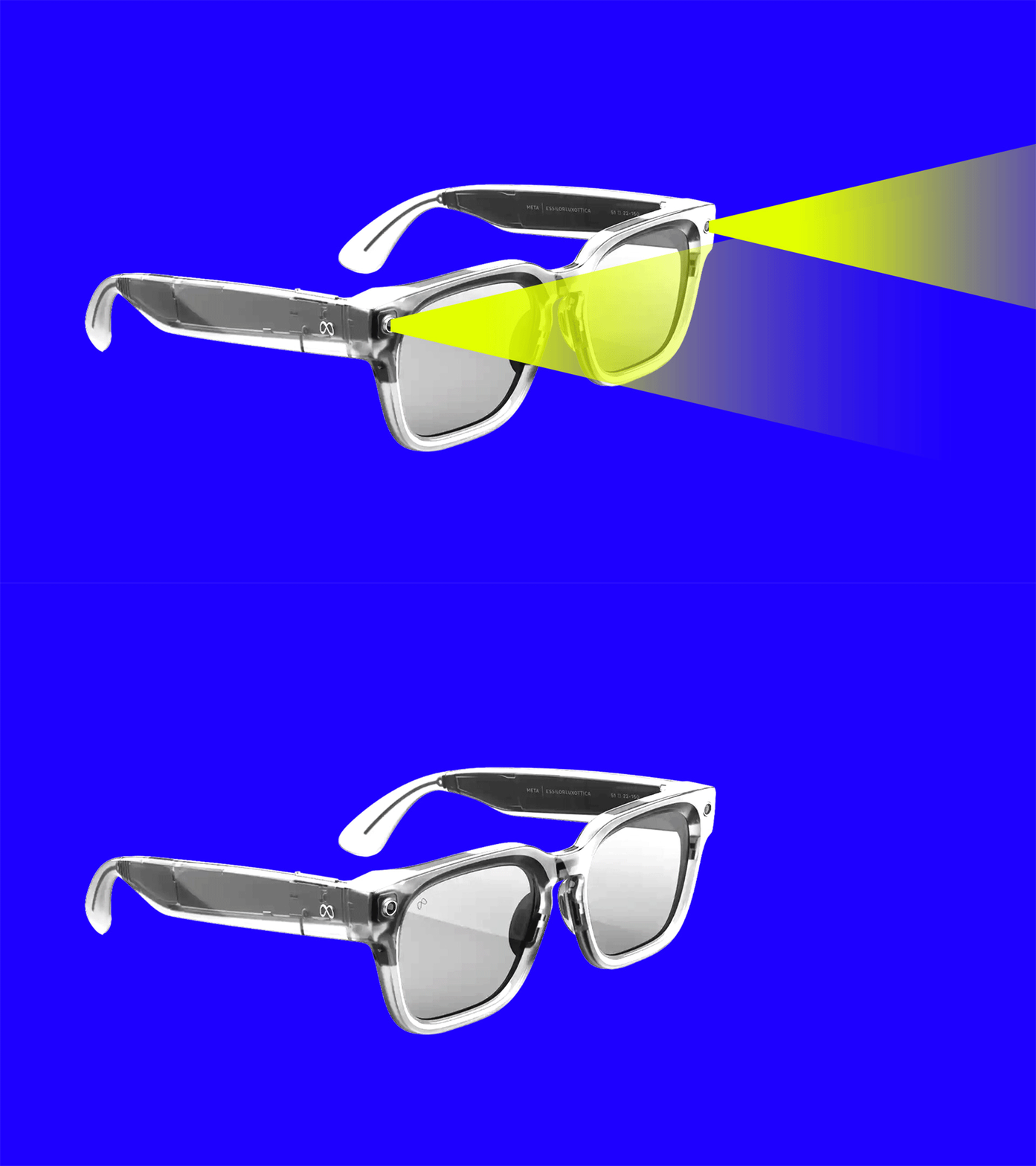
Source image: inc.com
inc.comUnderstanding the Shift in Meta's Smart Glasses Strategy
Recent reports surrounding Meta's hardware pipeline suggest that the company is actively rethinking how its next-generation smart glasses interact with the public. Historically, wearable tech equipped with cameras and microphones has faced intense scrutiny regarding privacy, often creating discomfort among bystanders who fear unconsented recording. According to emerging details, Meta's upcoming devices may incorporate design or functional adjustments aimed squarely at mitigating these exact concerns.
While details remain focused on reports rather than a formal hardware unveiling, the underlying strategic shift is clear: mainstream market penetration requires more than impressive technical specifications; it demands social license. By signaling a stronger commitment to privacy safeguards, Meta is attempting to overcome the 'creepy factor' that has historically hindered adoption rates for smart eyewear across global consumer markets.
Why Social Acceptability Matters for Enterprise and Consumers
For entrepreneurs, investors, and corporate executives, the social acceptance of wearable devices is a foundational metric for success. Previous iterations of smart glasses often struggled because they alienated non-users, leading to bans in various public and private venues such as restaurants, movie theaters, and corporate boardrooms.
If Meta successfully introduces modifications that make recording status transparent or privacy controls more robust, the ripple effects will reshape market dynamics. Key benefits of enhanced social acceptability include:
- Broadened consumer demographic appeal beyond early tech adopters.
- Decreased friction and regulatory pushback in corporate and workplace settings.
- Lowered risk of public bans on wearable hardware in social spaces.
- Accelerated integration of augmented reality and assistant features into everyday routines.
Market Implications for the Wearable Tech Sector
The broader wearable technology market is closely watching Meta's moves, as any shift toward rigorous privacy standards sets a new industry benchmark. Competitors ranging from established consumer electronics giants to agile startups will be forced to evaluate their own hardware transparency features. Devices that ignore public comfort levels risk becoming regulatory targets or facing consumer boycotts.
Furthermore, investors should view this development through the lens of long-term commercial viability. Hardware that integrates smoothly into social environments commands higher retention rates and fosters stronger ecosystem loyalty. As Meta positions its ecosystem for future spatial computing paradigms, consumer trust remains its most valuable and fragile currency.
What Executives and Investors Should Watch Moving Forward
As the market awaits official announcements regarding Meta's new smart glasses, stakeholders should keep a close eye on several critical indicators:
- Official Product Specifications: Look for concrete hardware features dedicated to privacy signaling, such as explicit recording indicators or physical shutter mechanisms.
- Regulatory Response: Monitor how privacy advocacy groups and data protection authorities react to the proposed changes.
- Enterprise Adoption Rates: Assess whether corporate clients embrace the new devices for remote collaboration and workflow optimization based on these updated safety measures.
Ultimately, Meta's reported pivot underscores a vital lesson for the technology sector: innovation must align with social norms to achieve lasting success. Readers can review the original report directly at Inc. for further details.
Continue reading
Related coverage in Entrepreneurship
inc.com
Tate McRae Expands Into Fragrance and Beyond With Strategic Trademark Filing
Pop star Tate McRae is officially entering the fragrance industry, with comprehensive trademark filings pointing to a much broader brand expansion strategy ahead.
3 min read
inc.com
Oheka Castle Enters Bankruptcy Auction With Strict Event Obligations Through 2028
The iconic Long Island estate Oheka Castle is heading to a Chapter 11 bankruptcy auction, bringing its hotel operations, development rights, and booked events into play.
3 min read
inc.com
The Single Daily Question That Defines True Leadership Effectiveness
Discover how a simple daily self-reflection question can reveal more about your true leadership impact than any executive title or corporate ranking ever could.
2 min read
inc.com
Tesla Workplace Culture Put on Trial: What Employee Complaints Mean for Executive Leadership
Tesla's workplace culture faces severe scrutiny, highlighting a critical leadership test regarding psychological safety and how companies handle employee complaints.
2 min read