Meta’s Next-Gen Smart Glasses Pivot Toward Privacy to Drive Adoption
A recent report indicates Meta is addressing privacy issues in its upcoming smart glasses, potentially reshaping consumer trust and market adoption.
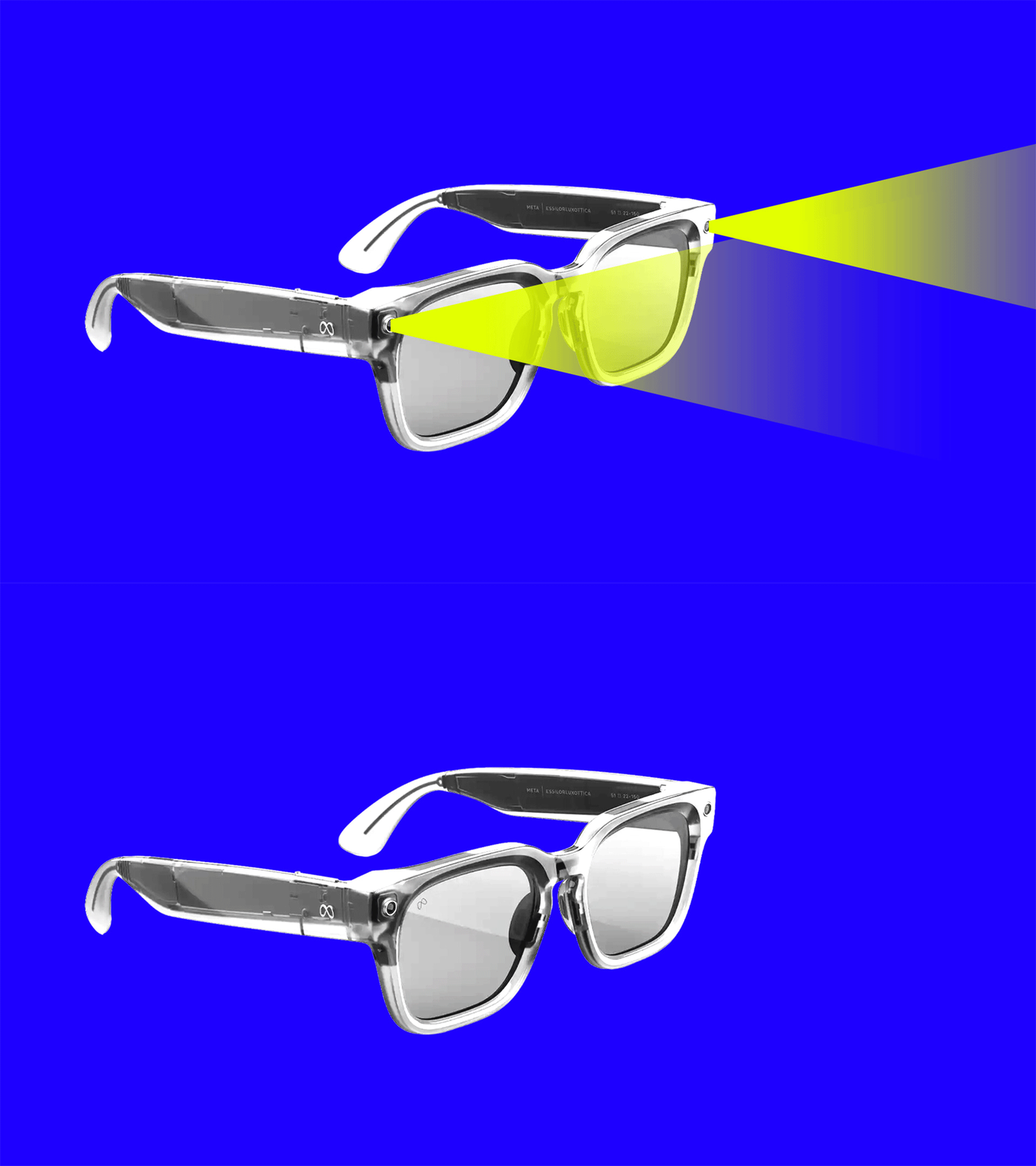
Source image: inc.com
inc.comNavigating the Privacy Hurdle in Wearable Tech
As technology giants race to capture the next frontier of personal computing, wearable devices such as smart glasses have faced a major social roadblock. Privacy concerns regarding unannounced recording, data harvesting, and general public unease have historically limited these products to niche tech enthusiasts rather than the mass market. According to a recent report, Meta is reportedly addressing these critical vulnerabilities in its upcoming iteration of smart glasses, introducing changes designed to make the hardware far more socially acceptable.
For leadership teams and product strategists, this pivot underscores a broader industry realization: consumer trust is just as important as hardware specs. If users feel self-conscious or worry about violating the privacy of others, adoption stalls regardless of processing power or AI integration.
Why This Strategic Shift Matters
The consumer electronics market operates on social proof and comfort. When a device creates social friction—such as the awkwardness associated with early wearable cameras—its addressable market shrinks dramatically. By prioritizing privacy adjustments, Meta is attempting to remove the stigma attached to face-worn cameras and sensors.
Key factors driving this focus include:
- Public perception and the avoidance of regulatory scrutiny over surveillance features.
- Corporate compliance demands for enterprise environments where recording devices are heavily restricted.
- The need for mainstream normalization to drive high-volume hardware sales.
For entrepreneurs and investors, this move signals that consumer-facing augmented reality and AI wearables must bake ethical design choices into their core architecture from day one rather than treating privacy as an afterthought.
Market Implications for Investors and Competitors
The implications of this reported shift extend well beyond Meta's ecosystem. Competitors in the augmented reality and smart eyewear space will likely be forced to match any new privacy standards set by market leaders. As enterprise customers increasingly scrutinize the security implications of employee-worn hardware, devices equipped with clearer, more reassuring privacy indicators will capture a disproportionate share of B2B contracts.
Investors should monitor how hardware margins are affected by these adjustments. Adding hardware-level privacy features—such as enhanced physical indicators or localized data processing—can introduce manufacturing complexities, yet they ultimately serve as essential moats against regulatory pushback and consumer rejection.
For a detailed look at the original reporting, readers can visit Inc.
What Executives and Entrepreneurs Should Watch
As the rollout of Meta's next-generation hardware approaches, industry stakeholders should closely observe several key indicators:
Watch for these critical developments:
- Official technical specifications regarding how recording lights or data-blocking features are implemented.
- Consumer and advocacy group reactions to the proposed design changes.
- Early sales metrics comparing privacy-focused smart glasses to legacy wearable models.
Ultimately, the commercial viability of smart glasses hinges on striking a delicate balance between powerful ambient computing capabilities and absolute social transparency. Companies that master this balance will successfully unlock the multitrillion-dollar potential of the wearable computing era.
Continue reading
Related coverage in Leadership
inc.com
Tate McRae Enters the Fragrance Market with Broad Trademark Strategy
Singer Tate McRae is expanding into the fragrance industry with a trademark that extends well beyond perfume, signaling ambitious multi-category brand growth ahead.
2 min read
inc.com
Oheka Castle Heads to Bankruptcy Auction with Strict Terms for Prospective Buyers
Famed Long Island estate Oheka Castle prepares for a Chapter 11 bankruptcy auction, requiring its next buyer to honor booked events extending all the way into 2028.
3 min read
inc.com
Evaluating Leadership Effectiveness: The Daily Question That Matters More Than Your Title
Discover how a single daily self-reflection question can redefine your leadership effectiveness and outperform traditional titles in driving organizational success.
3 min read
inc.com
Tesla Workplace Culture Put to the Test as Employee Complaints Spark Broad Leadership Debate
Tesla's workplace culture faces severe scrutiny, highlighting a critical leadership test regarding psychological safety and how organizations respond to employee complaints.
2 min read