Kroger Shifts Power Dynamic, Squeezing Premium Brands Like Boar’s Head and Red Bull
Under CEO Greg Foran, Kroger is leveraging its massive retail scale to push for lower supplier costs, resulting in prominent premium brands losing valuable shelf space.
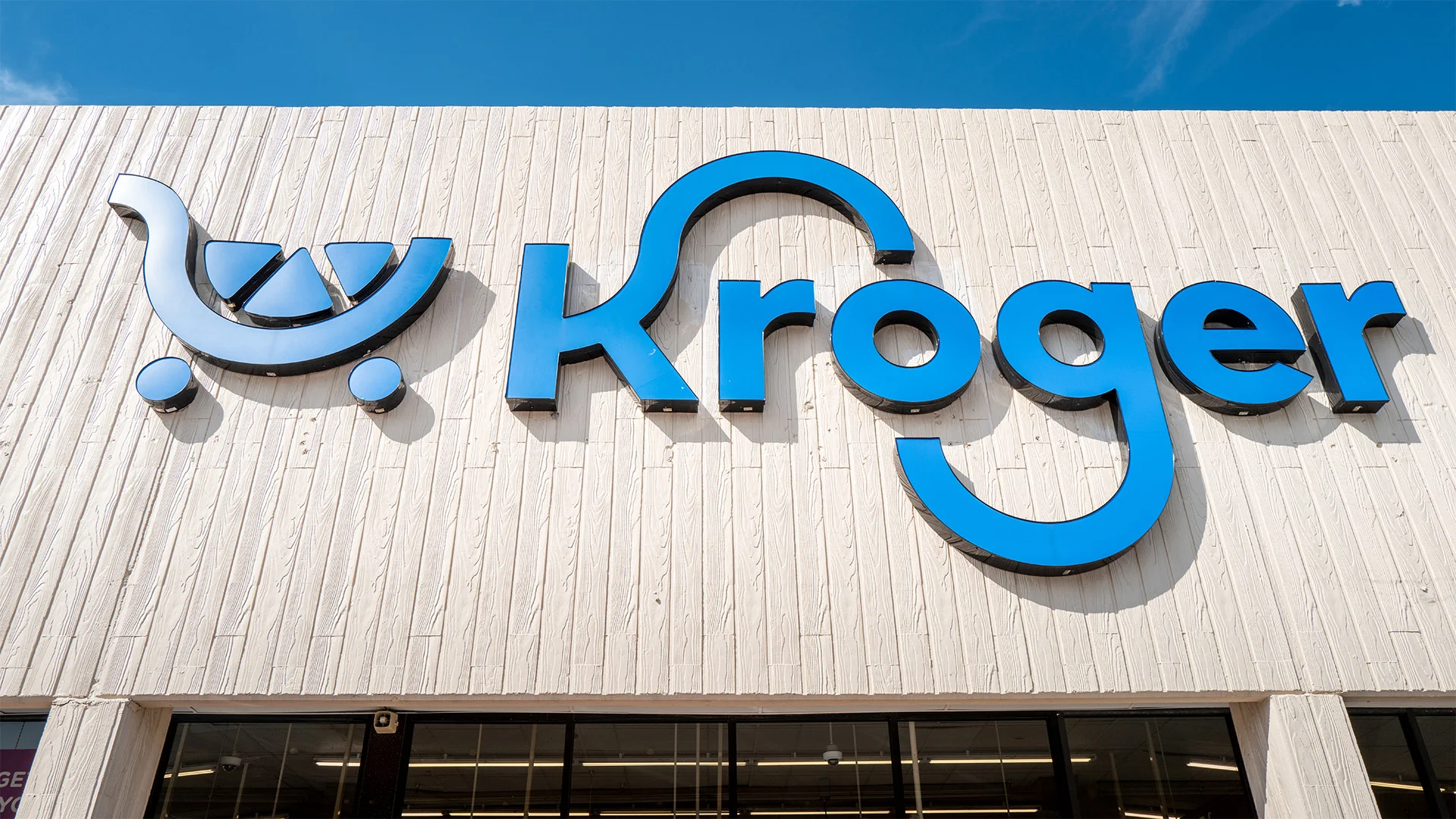
Source image: inc.com
inc.comThe Shift in Retail Power Dynamics
Under the leadership of CEO Greg Foran, Kroger has made strategic supplier negotiations and lower consumer prices top priorities. As the grocery giant fights to maintain and grow its market share against formidable competitors like Walmart, Costco, and Aldi, it is leveraging its massive distribution network to demand better terms from manufacturers.
This hardline approach has fundamentally altered the traditional power balance between large-scale retailers and dominant consumer packaged goods companies. For decades, premium brands could rely on high consumer demand to secure prime shelf space on grocery aisles. Today, even household names face intense scrutiny over pricing and margin-sharing structures.
Impact on Premium Brands
The immediate consequence of Kroger's renewed leverage is visible in the changing layout of its store aisles. Prominent names, including deli heavyweight Boar’s Head and energy drink giant Red Bull, are seeing their footprint reduced as Kroger prioritizes value and optimizes inventory for efficiency.
- Reduced Footprint: Premium brands are losing secondary displays and secondary facings.
- Margin Pressure: Suppliers face difficult choices between conceding to lower margins or walking away from major distribution channels.
- Alternative Assortments: Grocers are increasingly opening up retail slots for private-label alternatives and cost-competitive challengers.
Market Implications for Executives and Investors
For investors and industry executives, this development serves as a clear indicator of how high-inflation environments and discount-driven retail competition change supply chain economics. When retailers face margin compression from discount competitors, that pressure is swiftly transferred upstream to manufacturers.
Entrepreneurs building emerging consumer brands must take note. Securing nationwide distribution through major supermarket chains is becoming increasingly precarious if brands lack the pricing power or marketing differentiation to withstand rigorous retailer negotiations. Retail shelf space is scarcer and more contested than ever before.
What to Watch Moving Forward
As this trend develops, industry observers should monitor several key indicators to assess the broader market impact:
- Supplier Earnings Reports: Watch for margin contractions or commentary on retail negotiations from major consumer goods companies.
- Private Label Growth: Track how aggressively Kroger and other grocers expand their store-brand offerings to fill spaces left by retreating premium brands.
- Competitor Reactions: Observe whether rival supermarket chains adopt similar aggressive bargaining strategies with legacy suppliers.
Ultimately, Kroger's willingness to sideline major names demonstrates that retail scale remains a dominant force in the grocery sector, reshaping how brands must compete for consumer visibility.
Continue reading
Related coverage in Entrepreneurship
inc.com
Tate McRae Expands Into Fragrance and Beyond With Strategic Trademark Filing
Pop star Tate McRae is officially entering the fragrance industry, with comprehensive trademark filings pointing to a much broader brand expansion strategy ahead.
3 min read
inc.com
Oheka Castle Enters Bankruptcy Auction With Strict Event Obligations Through 2028
The iconic Long Island estate Oheka Castle is heading to a Chapter 11 bankruptcy auction, bringing its hotel operations, development rights, and booked events into play.
3 min read
inc.com
The Single Daily Question That Defines True Leadership Effectiveness
Discover how a simple daily self-reflection question can reveal more about your true leadership impact than any executive title or corporate ranking ever could.
2 min read
inc.com
Tesla Workplace Culture Put on Trial: What Employee Complaints Mean for Executive Leadership
Tesla's workplace culture faces severe scrutiny, highlighting a critical leadership test regarding psychological safety and how companies handle employee complaints.
2 min read