Kroger Levis Supplier Power as Premium Brands Lose Shelf Space
Kroger CEO Greg Foran is utilizing aggressive supplier negotiations to lower prices, leading to reduced shelf space for major brands like Boar's Head and Red Bull.
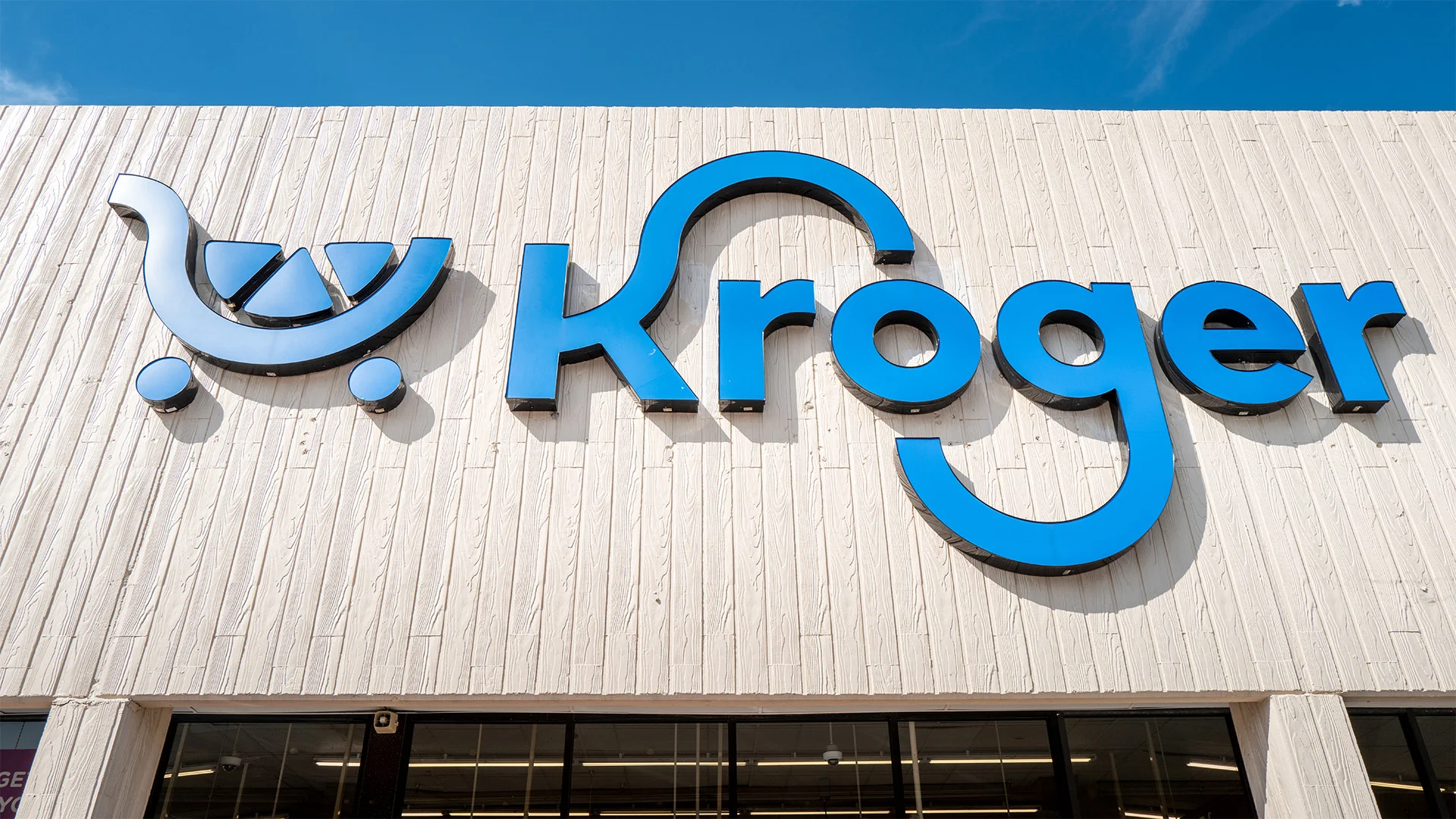
Source image: inc.com
inc.comKroger Shifts Strategy to Challenge Retail Competitors
In the fiercely competitive grocery sector, dominant market players are continuously refining their operational playbooks to protect and expand their market share. Kroger, under the leadership of CEO Greg Foran, has made lower prices and tougher supplier negotiations a top corporate priority. This strategic shift is designed to position the grocery giant more effectively against formidable low-cost rivals such as Walmart, Costco, and Aldi.
As part of this ongoing strategy, Kroger is increasingly flexing its considerable retail muscle. By demanding better terms and pricing structures from manufacturers, the company is directly altering how branded products are merchandised across its vast store network. For executives and investors monitoring the fast-moving consumer goods landscape, this development highlights a significant recalibration of power between major retailers and product suppliers.
Premium Brands Face Retail Realities
The immediate fallout of Kroger's aggressive negotiation stance is becoming evident on store shelves. Well-known premium brands, including Boar's Head and Red Bull, are reportedly losing valuable shelf space as a direct consequence of these tighter supplier negotiations. Retail space is a finite and highly contested asset, and grocers are increasingly willing to trim underperforming or unyielding supplier lines to make room for private-label alternatives or better-margin goods.
This trend illustrates several key realities for brand manufacturers operating in today's economic climate:
- Diminished Pricing Power: Brands that previously relied on high consumer recognition to maintain shelf presence are finding that scale-driven retailers can afford to play hardball.
- Prioritization of Value: With consumers remaining sensitive to pricing, grocers are prioritizing affordability over brand exclusivity.
- Merchandising Shifts: Retailers are actively optimizing floor space to maximize profitability per square foot.
Market Implications for Investors and Executives
For investors, Kroger's willingness to squeeze suppliers in pursuit of lower consumer prices could yield margin defense and volume growth in a high-inflation, highly competitive environment. However, it also introduces operational risks if consumer-favorite brands are entirely removed, potentially driving loyal shoppers to competing retail banners.
For corporate executives and entrepreneurs, the situation serves as a stark reminder of the importance of retail partnerships. Brands must demonstrate undeniable consumer demand and compelling value propositions to maintain their footing against powerful retail conglomerates that are increasingly focused on cost-cutting and private-label expansion.
What Readers Should Watch Next
As this dynamic unfolds, industry observers should monitor several key indicators:
- Whether other major supermarket chains adopt similar aggressive stances against premium suppliers.
- How affected brands like Boar's Head and Red Bull adjust their distribution and pricing strategies in response.
- The long-term impact on Kroger's private-label market share and overall consumer retention metrics.
For further details on this developing retail shift, read the original report at Inc.
Continue reading
Related coverage in Leadership
inc.com
Tate McRae Enters the Fragrance Market with Broad Trademark Strategy
Singer Tate McRae is expanding into the fragrance industry with a trademark that extends well beyond perfume, signaling ambitious multi-category brand growth ahead.
2 min read
inc.com
Oheka Castle Heads to Bankruptcy Auction with Strict Terms for Prospective Buyers
Famed Long Island estate Oheka Castle prepares for a Chapter 11 bankruptcy auction, requiring its next buyer to honor booked events extending all the way into 2028.
3 min read
inc.com
Evaluating Leadership Effectiveness: The Daily Question That Matters More Than Your Title
Discover how a single daily self-reflection question can redefine your leadership effectiveness and outperform traditional titles in driving organizational success.
3 min read
inc.com
Tesla Workplace Culture Put to the Test as Employee Complaints Spark Broad Leadership Debate
Tesla's workplace culture faces severe scrutiny, highlighting a critical leadership test regarding psychological safety and how organizations respond to employee complaints.
2 min read