Kevin Warsh Delivers First Fed Rate Hike Since 2023, Signaling Independence from Trump
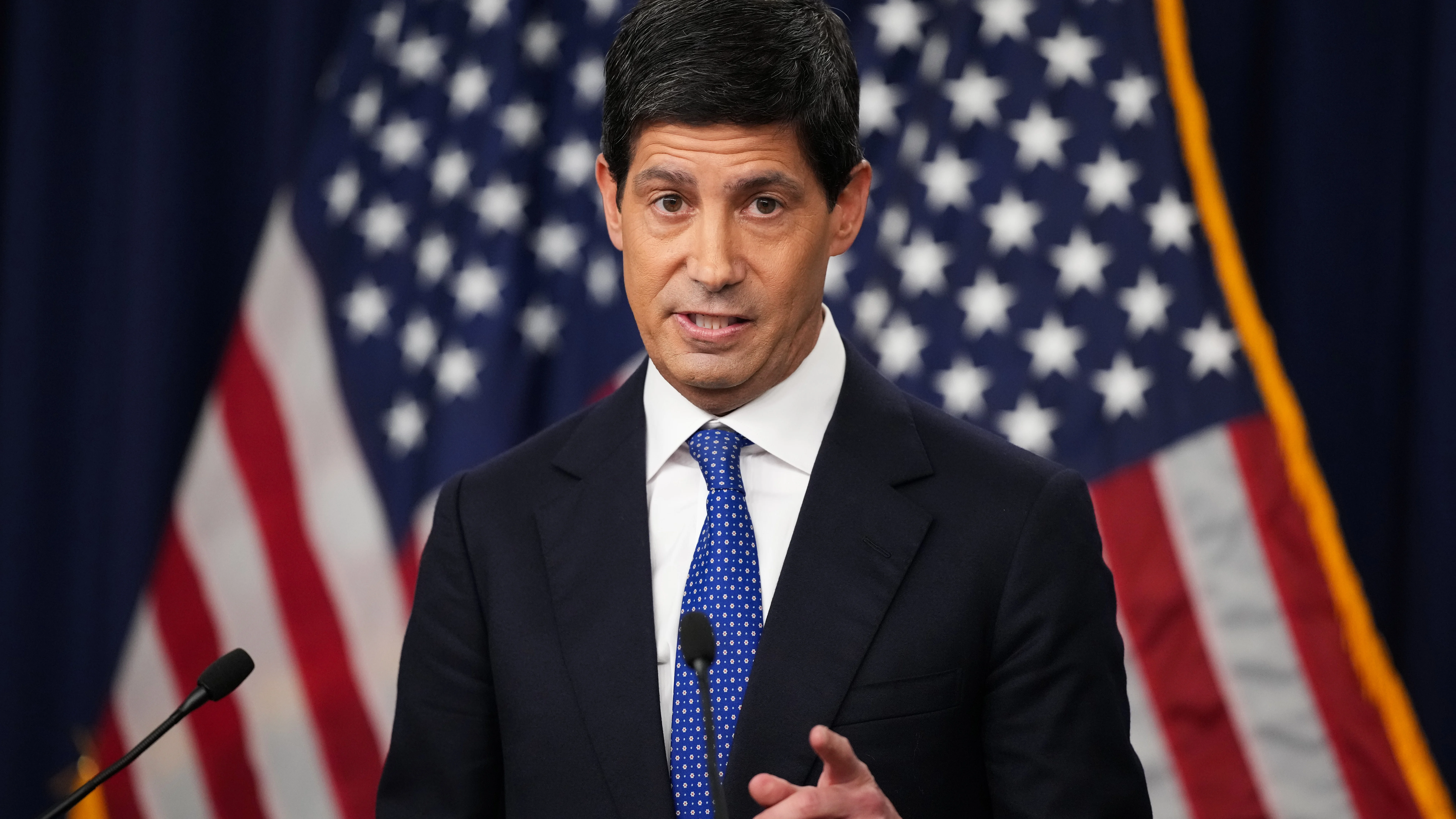
Fed Chair Kevin Warsh hikes interest rates for the first time since 2023, demonstrating central bank independence and proving he won't be pushed around.
Source image: inc.com
inc.comFed Chair Kevin Warsh Shakes Markets with New Rate Hike
In a move that has captured the attention of financial markets worldwide, Federal Reserve Chair Kevin Warsh has implemented an interest rate hike. This policy shift marks the very first time the central bank has raised rates since 2023, breaking a prolonged period of monetary policy holding patterns or easing expectations. More than just a standard adjustment to borrowing costs, the decision serves as a clear statement of intent regarding the autonomy of the Federal Reserve under Warsh's leadership.
Demonstrating Independence Under Political Pressure
The decision to tighten monetary policy carries profound political subtext. Throughout various policy debates and public commentary, political figures—most notably Donald Trump—have often voiced strong opinions regarding the desired direction of interest rates, frequently advocating for lower borrowing costs to stimulate economic activity. By moving in the opposite direction and hiking rates, Warsh has explicitly signaled that the central bank remains fiercely independent. The move demonstrates to the administration and the public that Warsh will not be pushed around, prioritizing the Fed's dual mandate over external political pressure.
What This Means for Executives and Investors
For business leaders, entrepreneurs, and institutional investors, the return of rate hikes after years of stability requires an immediate strategic pivot. Key implications include:
- Higher Cost of Capital: Debt financing will become more expensive, impacting corporate expansion, mergers and acquisitions, and leveraged buyouts.
- Asset Valuation Realignment: Equities and real estate valuation models must adjust to higher discount rates, potentially compressing multiples across growth sectors.
- Resurgent Yields: Fixed-income investors will find more attractive yields in cash equivalents and government bonds, altering portfolio allocation strategies.
Strategic Outlook and What to Watch
As the economic ramifications of this decision ripple through the global economy, stakeholders must monitor several critical indicators going forward. First, observe how the executive branch and political allies react to the tightening cycle, as public friction between the White House and the central bank could escalate volatility. Second, track upcoming inflation and employment data to see how aggressively the Fed intends to pursue further tightening. Finally, watch corporate earnings reports closely to assess how effectively mid-sized businesses and large enterprises are absorbing higher debt servicing costs in a shifting macroeconomic environment.
Continue reading
Related coverage in Leadership
inc.com
Tate McRae Enters the Fragrance Market with Broad Trademark Strategy
Singer Tate McRae is expanding into the fragrance industry with a trademark that extends well beyond perfume, signaling ambitious multi-category brand growth ahead.
2 min read
inc.com
Oheka Castle Heads to Bankruptcy Auction with Strict Terms for Prospective Buyers
Famed Long Island estate Oheka Castle prepares for a Chapter 11 bankruptcy auction, requiring its next buyer to honor booked events extending all the way into 2028.
3 min read
inc.com
Evaluating Leadership Effectiveness: The Daily Question That Matters More Than Your Title
Discover how a single daily self-reflection question can redefine your leadership effectiveness and outperform traditional titles in driving organizational success.
3 min read
inc.com
Tesla Workplace Culture Put to the Test as Employee Complaints Spark Broad Leadership Debate
Tesla's workplace culture faces severe scrutiny, highlighting a critical leadership test regarding psychological safety and how organizations respond to employee complaints.
2 min read