Kevin Warsh Delivers First Fed Rate Hike Since 2023, Signaling Independence from Trump
Fed Chair Kevin Warsh led the central bank in raising interest rates for the first time since 2023, firmly signaling policy independence from Donald Trump.
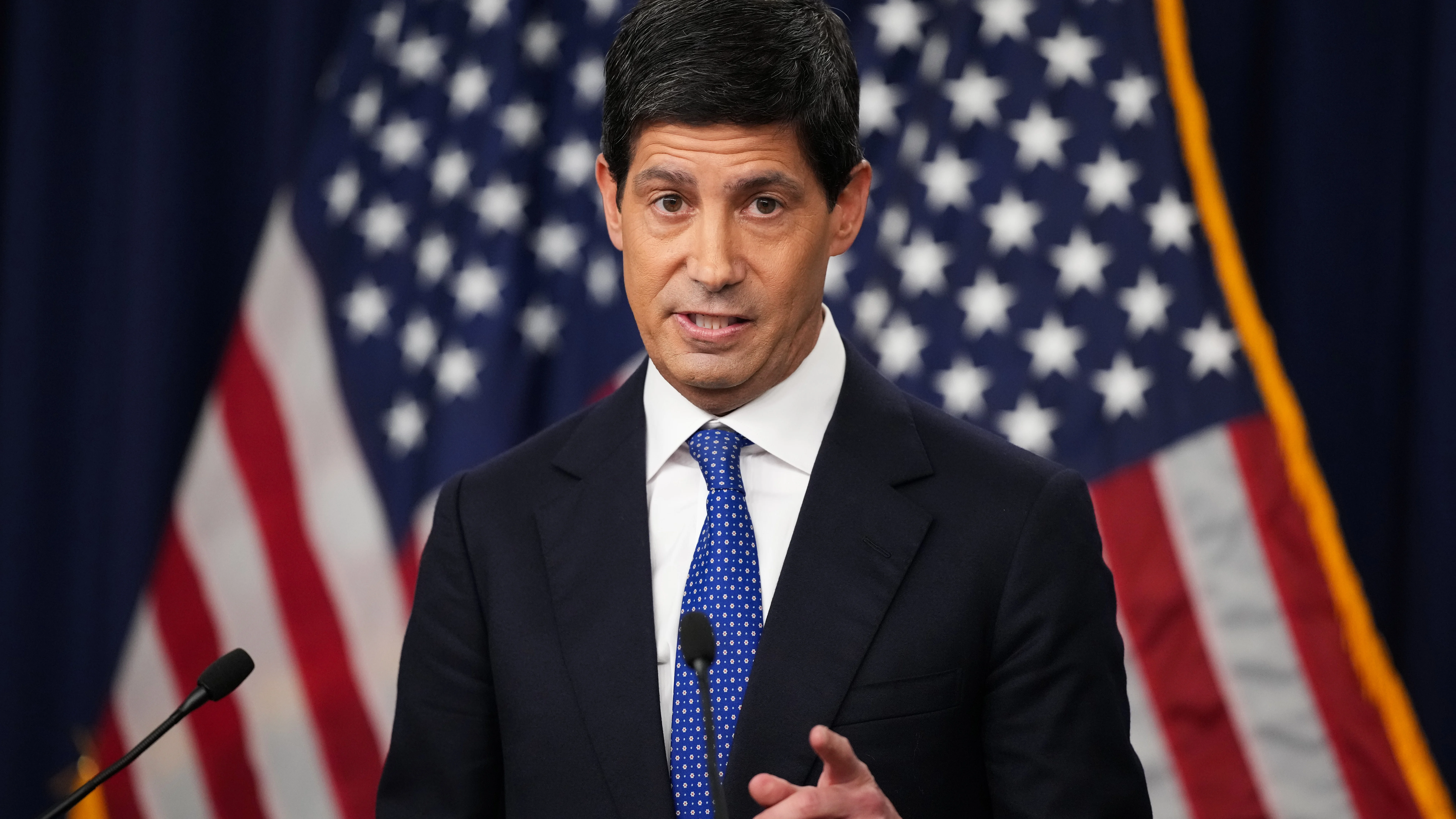
Source image: inc.com
inc.comIntroduction to the Fed's Policy Shift
The Federal Reserve under Chair Kevin Warsh has officially broken a prolonged holding pattern by raising interest rates for the first time since 2023. While central bank actions are typically scrutinized through traditional economic lenses, this decision arrived loaded with political subtext. By moving forward with a rate hike, Warsh has signaled to the administration, markets, and the public that the central bank will maintain its statutory independence, refusing to be pushed around by political pressure from Donald Trump.
What Happened: The 2026 Rate Hike
Following years of steady or lowering rates, the Federal Open Market Committee under Warsh's leadership executed a hike. The move caught some market participants off guard who anticipated a more dovish stance, particularly given historical pressures from the executive branch regarding monetary policy settings. The decision underscores a commitment to addressing underlying economic pressures, even when those prescriptions run counter to political preferences for cheaper borrowing.
Why It Matters for Executives and Entrepreneurs
For business leaders and entrepreneurs, the return of rate hikes fundamentally shifts the strategic operating environment:
- Cost of Capital: Debt financing is now definitively more expensive, requiring a recalibration of capital expenditure plans and leveraged growth models.
- Valuation Resets: Growth stocks, early-stage startups, and asset-heavy enterprises face continued pressure as discount rates rise.
- Institutional Credibility: The Fed's visible independence reinforces long-term confidence in the stability of US financial institutions, a critical anchor for global trade and investment.
Market Implications
Financial markets reacted swiftly to the signal that the Fed is prioritizing its mandate over political alignment. Fixed-income assets are repricing to reflect higher yields, while equity markets are adjusting to a tighter monetary regime. Investors are being forced to shift from speculative growth strategies toward resilient balance sheets, robust cash flows, and pricing power that can weather elevated borrowing costs.
What to Watch Next
As the economic ramifications of this policy shift unfold, stakeholders should closely monitor several key indicators:
- Future FOMC Statements: Look for clues on whether this hike is a one-off adjustment or the beginning of an extended tightening cycle.
- White House Response: Gauge how the administration reacts to the Fed's assertion of independence, as political friction could introduce volatility.
- Inflation and Employment Data: Track incoming macroeconomic reports to see if data justifies Warsh's aggressive posture.
Ultimately, Kevin Warsh's decision marks a pivotal moment for both monetary policy and institutional governance, establishing that the Federal Reserve remains fiercely autonomous in its pursuit of economic stability.
Continue reading
Related coverage in Entrepreneurship
inc.com
Tate McRae Expands Into Fragrance and Beyond With Strategic Trademark Filing
Pop star Tate McRae is officially entering the fragrance industry, with comprehensive trademark filings pointing to a much broader brand expansion strategy ahead.
3 min read
inc.com
Oheka Castle Enters Bankruptcy Auction With Strict Event Obligations Through 2028
The iconic Long Island estate Oheka Castle is heading to a Chapter 11 bankruptcy auction, bringing its hotel operations, development rights, and booked events into play.
3 min read
inc.com
The Single Daily Question That Defines True Leadership Effectiveness
Discover how a simple daily self-reflection question can reveal more about your true leadership impact than any executive title or corporate ranking ever could.
2 min read
inc.com
Tesla Workplace Culture Put on Trial: What Employee Complaints Mean for Executive Leadership
Tesla's workplace culture faces severe scrutiny, highlighting a critical leadership test regarding psychological safety and how companies handle employee complaints.
2 min read