JetBlue Faces Class-Action Lawsuit Over Advertised Free Seat Selection Disclosures
A proposed class-action lawsuit against JetBlue alleges the airline sells higher-priced fares featuring free seat selection even when qualifying seats are unavailable.
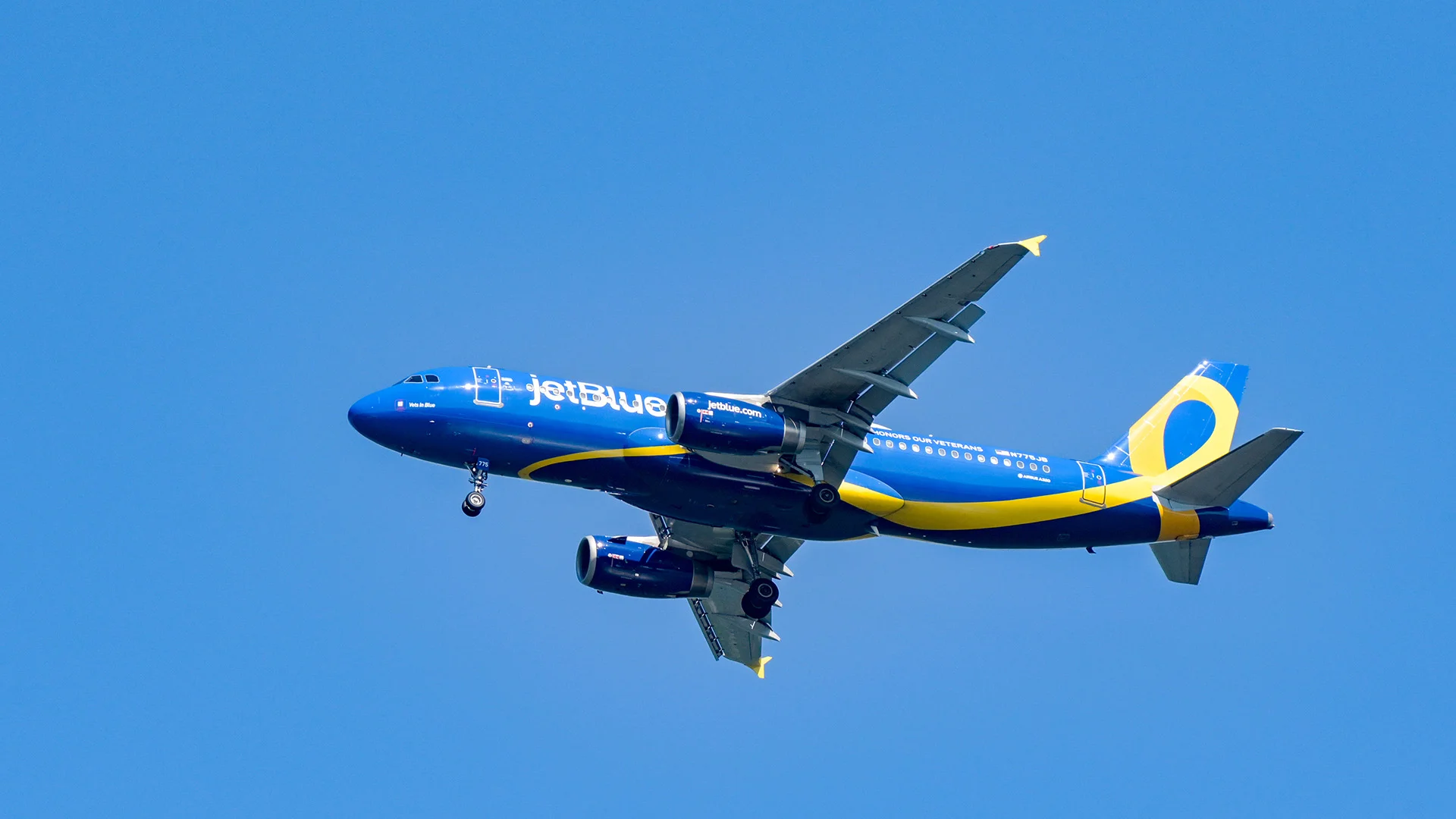
Source image: inc.com
inc.comIntroduction to the JetBlue Class-Action Dispute
A newly filed proposed class-action lawsuit against JetBlue Airways Corporation is drawing intense scrutiny from consumer advocates, legal experts, and business leaders alike. The lawsuit centers on a fundamental issue of digital commerce transparency: whether an enterprise can market and charge a premium for a bundled perk—such as free advance seat selection—when the inventory required to fulfill that perk is entirely unavailable at the time of purchase. As corporate accountability and consumer protection laws tighten across digital platforms, this case serves as an important checkpoint for executives managing consumer-facing product tiers.
According to court documents filed in the U.S. District Court for the Central District of California, plaintiff Saman Kohanof booked a $379 'Blue' fare for a February flight from Fort Lauderdale to Los Angeles. He selected this higher-priced tier over the cheaper 'Blue Basic' option specifically because the 'Blue' fare explicitly advertised free advance seat selection. However, the complaint alleges that after JetBlue accepted payment and completed the transaction, the digital seat map revealed that all seats covered by the free selection benefit were unavailable, effectively forcing the passenger to either pay additional fees or accept a randomly assigned seat.
What Happened and the Core Allegations
The core of the legal challenge does not contest JetBlue's right to segment its inventory or charge higher fees for premium or extra-legroom seats. Rather, the lawsuit targets the timing and transparency of the disclosure. The complaint argues that JetBlue's booking architecture possesses the real-time technical capability to recognize when standard seat inventory for advance selection is depleted. Despite this capability, the airline allegedly permits customers to purchase higher-tier fares under the assumption they will receive a specific benefit, only disclosing the lack of available inventory after the financial transaction is complete.
- The Incentive: Consumers pay a premium price expecting tangible perks like free seat selection.
- The Disconnect: Inventory constraints render the perk unusable immediately following checkout.
- The Legal Theory: Failing to warn consumers beforehand constitutes a deceptive omission, depriving them of the ability to make an informed purchasing decision or opt for a cheaper alternative.
Market Implications for E-Commerce and Travel Sectors
For entrepreneurs and executives operating digital marketplaces, travel platforms, or subscription services, this lawsuit highlights the mounting risks associated with dynamic inventory bundling. When a product or service tier is marketed with specific inclusions, businesses must ensure their fulfillment systems align seamlessly with their point-of-sale displays. Failure to dynamically gate or warn users about depleted perks can lead to severe reputational damage and costly class-action litigation exceeding statutory minimum thresholds—in this case, seeking damages upwards of $5 million.
The travel industry, in particular, relies heavily on ancillary revenue models and branded fare families. While unbundling has successfully maximized airline yields over the past decade, regulatory bodies and consumer plaintiffs are increasingly scrutinizing the friction points between marketing promises and operational reality. If courts validate the argument that companies must disclose inventory limitations for specific perks prior to payment, airlines and online travel agencies (OTAs) may be forced to overhaul their checkout workflows to incorporate real-time inventory checks for bundled features.
What Investors and Executives Should Watch
As the litigation progresses through the federal court system, stakeholders should monitor several critical developments:
- Class Certification Decisions: Whether the court certifies the class will determine the broader financial and legal exposure for JetBlue and set a precedent for similar airline ticketing practices.
- Regulatory Scrutiny: Potential responses from the Department of Transportation (DOT) regarding ancillary fee transparency and post-purchase disclosures.
- User Experience (UX) Adjustments: Proactive shifts by digital platforms to introduce warning flags or dynamic disabling of fare tiers when specific perks cannot be fulfilled at checkout.
Ultimately, this case underscores a vital entrepreneurial lesson: customer trust is inextricably linked to radical transparency. For further details on this developing story, readers can review the original coverage at Inc.
Continue reading
Related coverage in Entrepreneurship
inc.com
Tate McRae Expands Into Fragrance and Beyond With Strategic Trademark Filing
Pop star Tate McRae is officially entering the fragrance industry, with comprehensive trademark filings pointing to a much broader brand expansion strategy ahead.
3 min read
inc.com
Oheka Castle Enters Bankruptcy Auction With Strict Event Obligations Through 2028
The iconic Long Island estate Oheka Castle is heading to a Chapter 11 bankruptcy auction, bringing its hotel operations, development rights, and booked events into play.
3 min read
inc.com
The Single Daily Question That Defines True Leadership Effectiveness
Discover how a simple daily self-reflection question can reveal more about your true leadership impact than any executive title or corporate ranking ever could.
2 min read
inc.com
Tesla Workplace Culture Put on Trial: What Employee Complaints Mean for Executive Leadership
Tesla's workplace culture faces severe scrutiny, highlighting a critical leadership test regarding psychological safety and how companies handle employee complaints.
2 min read