IGA Store Closures 2026: Consolidation and E-Commerce Pressure Independent Grocers
Independent grocers under the IGA banner are facing widespread closures in 2026 as intense market consolidation and e-commerce pressures reshape the grocery industry.
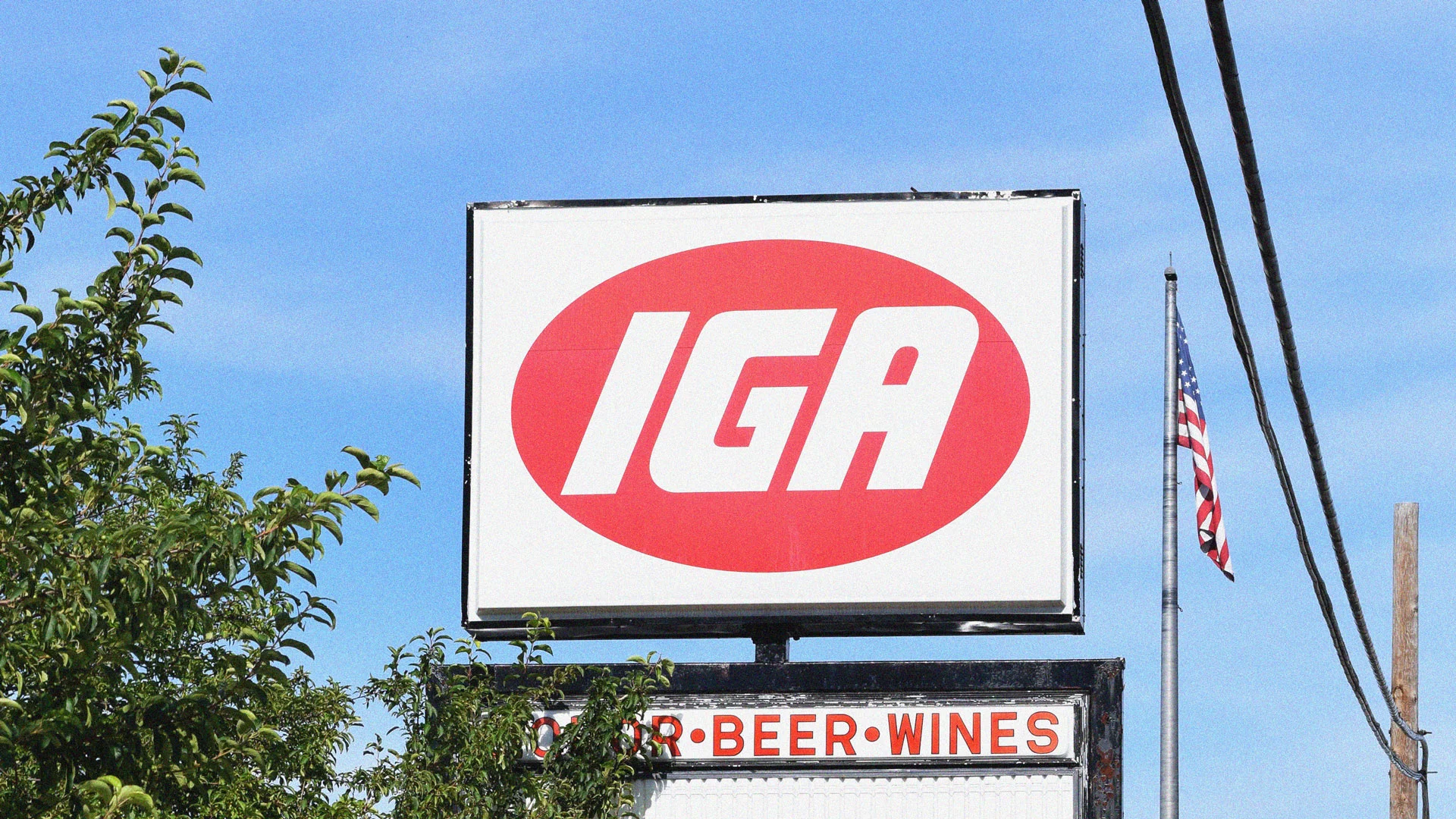
Source image: inc.com
inc.comOverview of IGA Store Closures in 2026
The retail grocery landscape is undergoing a turbulent period, highlighted by recent reports detailing store closures within the IGA network. As detailed by Inc. at https://www.inc.com/amaya-nichole/iga-is-closing-stores-list-shuttered-locations-for-2026/91406265, industry analysts point to a combination of long-term structural shifts and acute operational pressures driving these localized shutdowns. Unlike corporate-owned supermarket behemoths that benefit from massive centralized supply chains and deep capital reserves, independent grocers operating under cooperative models like IGA face distinct vulnerabilities.
Core Drivers: Consolidation and E-Commerce
The primary catalysts behind the shuttered IGA locations are relentless market consolidation and the dominant rise of e-commerce. Major retail conglomerates continue to swallow market share through aggressive scaling, leaving independent operators fighting for thin margins. Furthermore, changing consumer habits have permanently altered shopping behaviors. Modern shoppers increasingly demand sophisticated digital ordering platforms, curbside pickup, and rapid home delivery options. Implementing these advanced e-commerce technologies requires significant capital expenditure—a luxury that many independent owners simply cannot afford.
Broader Market Implications for Executives and Investors
For executives and investors tracking the retail and consumer goods sectors, the contraction of independent grocers signals several critical trends:
- Accelerated Industry Consolidation: Smaller independent players are increasingly squeezed out, transferring more market power to national and regional corporate chains.
- Technology Gaps: The digital divide between tech-heavy retail giants and traditional independent stores continues to widen, dictating consumer retention.
- Supply Chain Realignment: As localized independent stores close, wholesale distributors and local food producers lose vital distribution channels, altering regional supply dynamics.
What Entrepreneurs and Industry Watchers Should Monitor
Entrepreneurs operating in the retail, food tech, and logistics sectors must closely observe how independent cooperatives adapt to these pressures. Key indicators to watch include the adoption of shared-service e-commerce platforms designed specifically for independent grocers, as well as potential legislative or cooperative interventions aimed at leveling the technological playing field. Understanding these dynamics will be crucial for predicting future shifts in consumer retail and supply chain resilience.
Continue reading
Related coverage in Entrepreneurship
inc.com
Tate McRae Expands Into Fragrance and Beyond With Strategic Trademark Filing
Pop star Tate McRae is officially entering the fragrance industry, with comprehensive trademark filings pointing to a much broader brand expansion strategy ahead.
3 min read
inc.com
Oheka Castle Enters Bankruptcy Auction With Strict Event Obligations Through 2028
The iconic Long Island estate Oheka Castle is heading to a Chapter 11 bankruptcy auction, bringing its hotel operations, development rights, and booked events into play.
3 min read
inc.com
The Single Daily Question That Defines True Leadership Effectiveness
Discover how a simple daily self-reflection question can reveal more about your true leadership impact than any executive title or corporate ranking ever could.
2 min read
inc.com
Tesla Workplace Culture Put on Trial: What Employee Complaints Mean for Executive Leadership
Tesla's workplace culture faces severe scrutiny, highlighting a critical leadership test regarding psychological safety and how companies handle employee complaints.
2 min read