Hoplark Files for Bankruptcy After Raising $25M Amid Nonalcoholic Boom
Hop-water maker Hoplark has filed for bankruptcy after raising over $25 million, struggling with plummeting revenue, high distribution costs, and retail pressures.
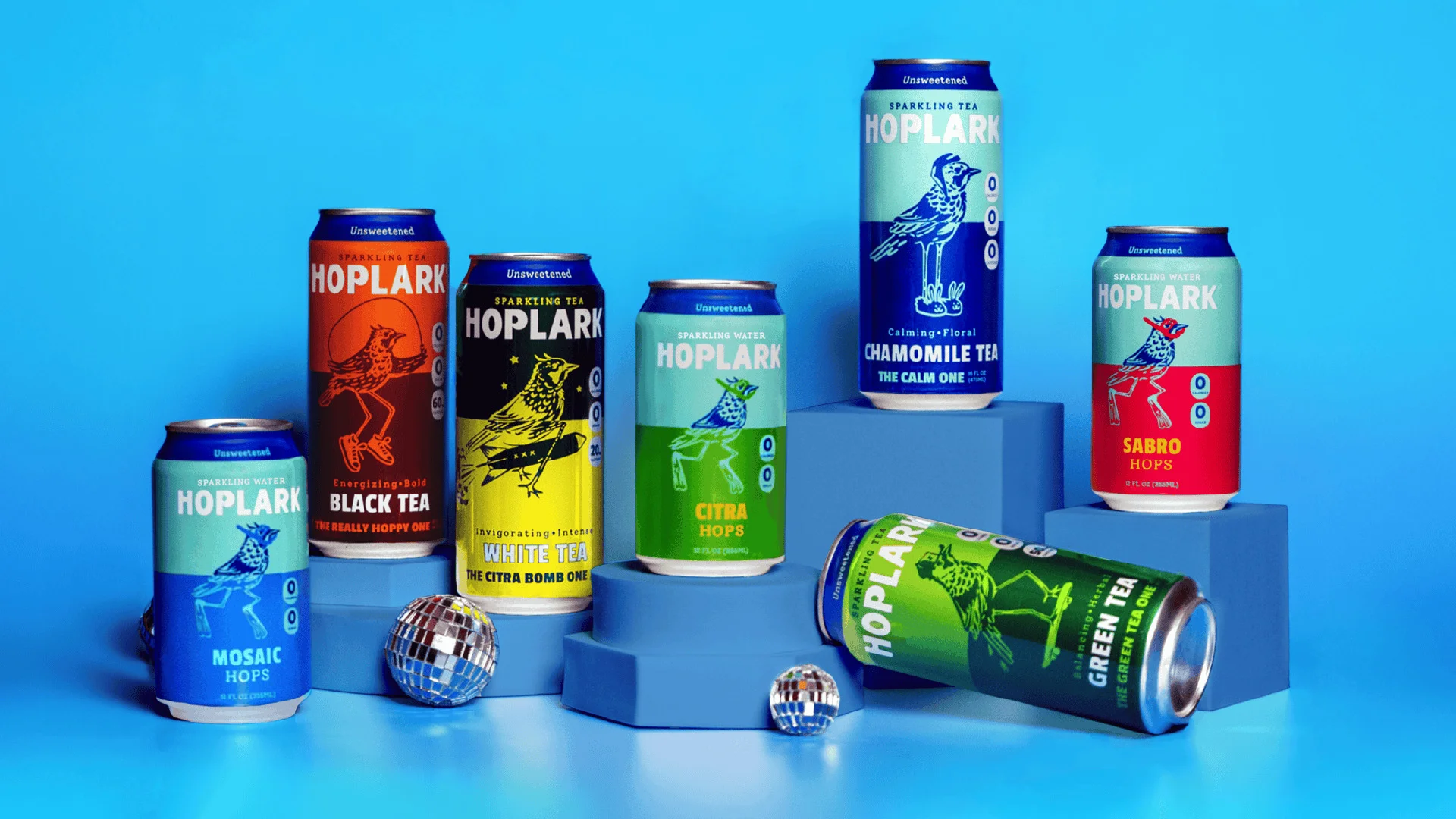
Source image: inc.com
inc.comThe Rise and Fall of a Nonalcoholic Pioneer
Hoplark, a prominent maker of hop-water beverages, has officially filed for bankruptcy. This stunning reversal of fortune comes despite the company successfully raising more than $25 million in venture capital during a period when the nonalcoholic beverage sector was experiencing an unprecedented boom. As consumer preferences shifted toward healthier, alcohol-free alternatives, brands like Hoplark rushed to capture market share, scaling operations rapidly to meet perceived consumer demand.
However, the rapid influx of capital could not insulate the business from mounting structural pressures. Revenue plunged as the company struggled to maintain momentum against rising operational hurdles. The case underscores a recurring theme in modern entrepreneurship: substantial venture funding is no substitute for sustainable unit economics and predictable, profitable retail velocity.
Key Drivers Behind the Bankruptcy Filing
Several critical factors contributed to Hoplark's financial collapse, illustrating the severe challenges inherent in the consumer packaged goods (CPG) industry:
- Plunging Revenue: Top-line growth stalled and reversed as consumer enthusiasm at the retail level weakened, failing to match early growth projections.
- Escalating Distribution Costs: Transporting and maintaining supply chains for heavy, liquid-based goods proved increasingly expensive, eroding profit margins.
- Fierce Competition for Shelf Space: Retail real estate is notoriously competitive, and securing or maintaining prominent placement became cost-prohibitive as grocery and convenience channels tightened vendor terms.
- Shifting Retail Demand: Broader macroeconomic pressures and shifting retail buying behaviors left emerging nonalcoholic brands fighting for a smaller pool of reliable consumer spend.
Broader Market Implications for Investors and Entrepreneurs
Hoplark's Chapter 11 filing serves as a cautionary tale for investors and entrepreneurs alike. The nonalcoholic beverage market remains structurally attractive over the long term, but the era of growth-at-all-costs has officially concluded. Investors are increasingly prioritizing path-to-profitability metrics over pure top-line expansion, demanding strict capital discipline from founders.
For entrepreneurs operating in crowded consumer categories, the collapse emphasizes the need for localized distribution models, rigorous cash management, and realistic evaluations of retail velocity. Securing venture capital can accelerate market entry, but without organic repeat purchases and manageable distribution expenses, brands remain highly vulnerable to market corrections.
What Executives and Observers Should Watch Next
As the bankruptcy proceedings unfold, industry stakeholders should monitor several key indicators across the broader nonalcoholic and functional beverage landscape:
- Asset Sales and Restructuring: Watch for potential acquisitions, private equity buyouts, or asset liquidations as competitors or larger beverage conglomerates look to absorb Hoplark’s intellectual property or customer base at a discount.
- Venture Funding Retrenchment: Observe whether venture capital firms tighten investment criteria further for early-stage beverage and food tech startups, shifting focus entirely toward cash-flow-positive businesses.
- Retail Slotting Dynamics: Keep an eye on how major grocery and convenience retailers adjust their product mix and slotting fee requirements for emerging nonalcoholic brands in light of recent market failures.
For more details and original reporting, readers can verify the source information directly at Inc.
Continue reading
Related coverage in Entrepreneurship
inc.com
Tate McRae Expands Into Fragrance and Beyond With Strategic Trademark Filing
Pop star Tate McRae is officially entering the fragrance industry, with comprehensive trademark filings pointing to a much broader brand expansion strategy ahead.
3 min read
inc.com
Oheka Castle Enters Bankruptcy Auction With Strict Event Obligations Through 2028
The iconic Long Island estate Oheka Castle is heading to a Chapter 11 bankruptcy auction, bringing its hotel operations, development rights, and booked events into play.
3 min read
inc.com
The Single Daily Question That Defines True Leadership Effectiveness
Discover how a simple daily self-reflection question can reveal more about your true leadership impact than any executive title or corporate ranking ever could.
2 min read
inc.com
Tesla Workplace Culture Put on Trial: What Employee Complaints Mean for Executive Leadership
Tesla's workplace culture faces severe scrutiny, highlighting a critical leadership test regarding psychological safety and how companies handle employee complaints.
2 min read