Hoplark Files for Bankruptcy After Raising $25 Million Amid Nonalcoholic Boom
Hop-water maker Hoplark has filed for bankruptcy after raising over $25 million, struggling against plunging revenue, soaring distribution costs, and tight retail space.
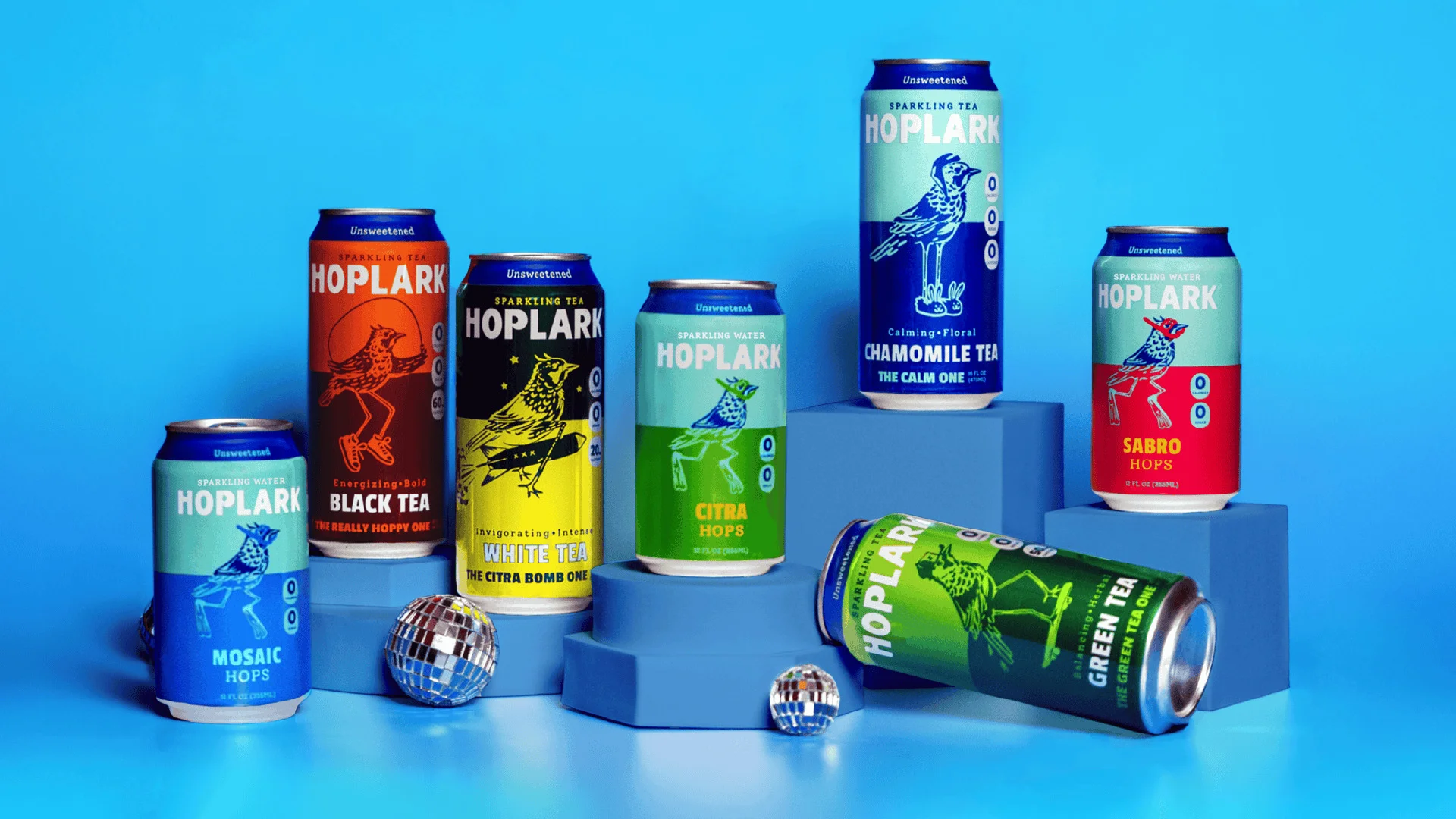
Source image: inc.com
inc.comThe Rise and Fall of Hoplark
Hoplark, a prominent maker of hop-water beverages, has officially filed for bankruptcy. This stunning development comes despite the company successfully raising more than $25 million from investors during a historic boom in the nonalcoholic drinks sector. While the broader market experienced unprecedented tailwinds as health-conscious consumers gravitated toward alcohol alternatives, Hoplark ultimately failed to convert initial venture backing into long-term financial stability.
According to reports, the primary catalyst behind the bankruptcy filing was a sharp plunge in revenue. This downturn was exacerbated by a confluence of punishing operational pressures, including skyrocketing distribution costs, highly constrained retail shelf space, and softer-than-expected retail demand. For investors and entrepreneurs closely watching the nonalcoholic beverage category, Hoplark's collapse highlights the stark operational realities that can undermine even the most heavily funded consumer brands.
Why This Bankruptcy Matters for the Industry
The collapse of a heavily funded player like Hoplark sends shockwaves through the venture capital and beverage entrepreneurial ecosystems. For years, the narrative surrounding nonalcoholic alternatives was universally optimistic, driven by shifting demographics and a cultural pivot toward mindful drinking. However, Hoplark's trajectory demonstrates that top-line revenue growth and venture capital injections are insufficient substitutes for a sustainable unit economic model.
Key factors contributing to the distress include:
- Escalating Distribution Expenses: Moving heavy beverage inventory through traditional supply chains has become increasingly expensive.
- Retail Slotting Battles: Securing and maintaining physical shelf space in major grocery and retail chains requires fierce competition and steep capital commitments.
- Demand Volatility: Retail demand proved softer and less predictable than anticipated as consumer choices expanded in a crowded marketplace.
Broader Market Implications
The nonalcoholic beverage sector remains fundamentally robust, but Hoplark's bankruptcy marks a transition from a 'growth-at-all-costs' mindset to a rigorous focus on profitability and capital efficiency. Investors are increasingly scrutinizing early-stage beverage startups, demanding clearer paths to positive cash flow rather than relying on vanity metrics or category-wide momentum.
Furthermore, emerging brands face heightened barriers to entry as established beverage giants leverage their massive distribution networks and deep pockets to dominate scarce retail shelf space. Independent makers must now find innovative, cost-effective channels—such as direct-to-consumer models or targeted regional footholds—to scale without burning through venture reserves.
What Executives and Investors Should Watch
As the dust settles on Hoplark's restructuring or liquidation process, stakeholders across the beverage landscape should monitor several critical indicators:
- Valuation Adjustments: Expect a market-wide correction in valuations for nonalcoholic beverage startups as investors price in higher operational and distribution risks.
- Consolidation Waves: Distressed assets within the sector may become prime targets for strategic acquisitions by larger beverage conglomerates looking to absorb innovative product lines at a discount.
- Supply Chain Innovations: Watch how surviving brands optimize their logistics and partner networks to mitigate mounting distribution overhead.
Ultimately, Hoplark's journey from a $25 million darling to bankruptcy underscores a timeless business truth: sustainable margins, efficient distribution, and true product-market fit will always dictate long-term survival over initial market hype.
Continue reading
Related coverage in Leadership
inc.com
Tate McRae Enters the Fragrance Market with Broad Trademark Strategy
Singer Tate McRae is expanding into the fragrance industry with a trademark that extends well beyond perfume, signaling ambitious multi-category brand growth ahead.
2 min read
inc.com
Oheka Castle Heads to Bankruptcy Auction with Strict Terms for Prospective Buyers
Famed Long Island estate Oheka Castle prepares for a Chapter 11 bankruptcy auction, requiring its next buyer to honor booked events extending all the way into 2028.
3 min read
inc.com
Evaluating Leadership Effectiveness: The Daily Question That Matters More Than Your Title
Discover how a single daily self-reflection question can redefine your leadership effectiveness and outperform traditional titles in driving organizational success.
3 min read
inc.com
Tesla Workplace Culture Put to the Test as Employee Complaints Spark Broad Leadership Debate
Tesla's workplace culture faces severe scrutiny, highlighting a critical leadership test regarding psychological safety and how organizations respond to employee complaints.
2 min read