Halloween Spending Soars to Record $13.5 Billion Amid High Candy Prices
Halloween spending is projected to hit a record $13.5 billion, driven by high consumer demand despite steep candy prices offering less value.
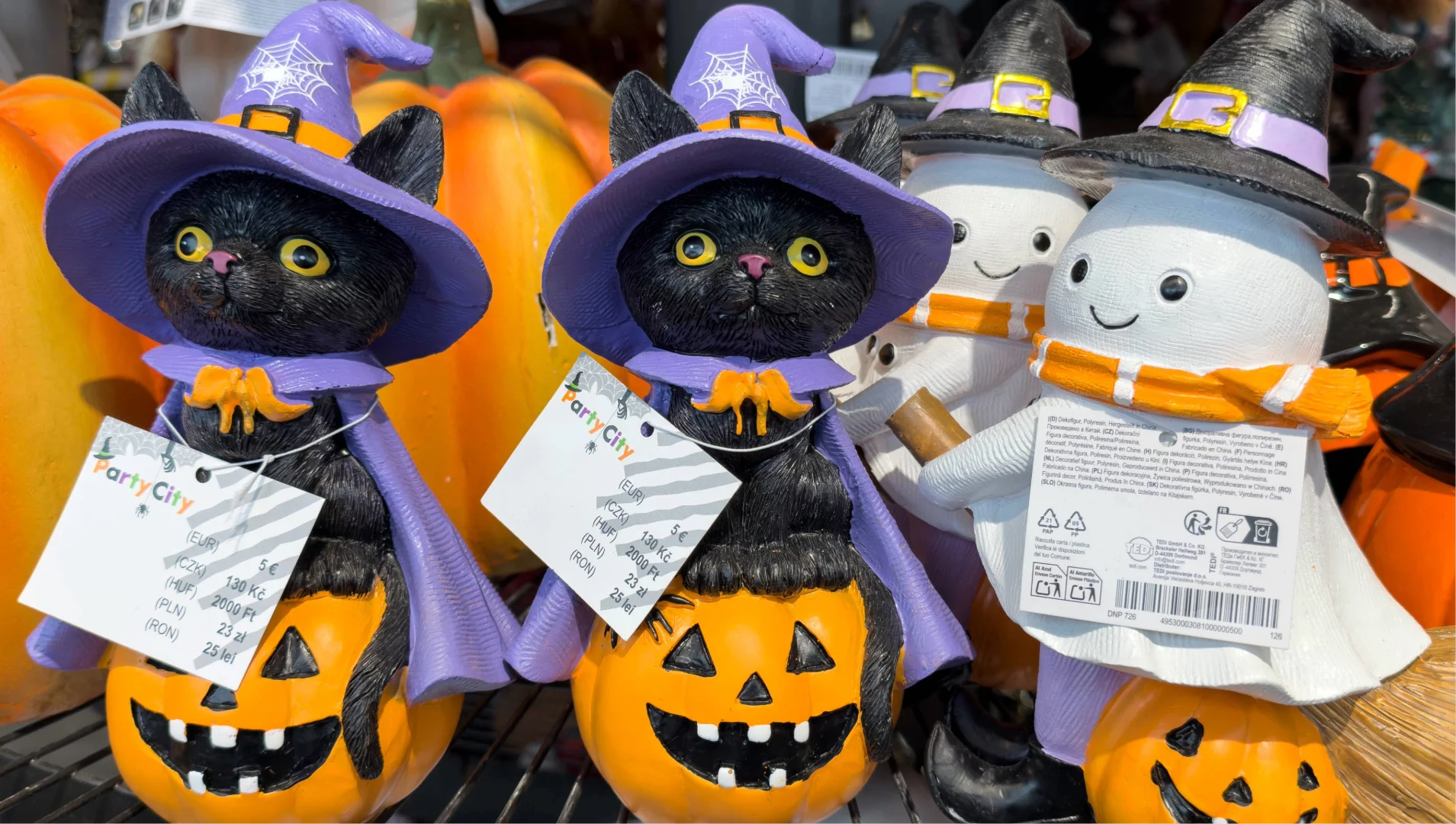
Source image: inc.com
inc.comHalloween Spending Reaches New Heights
Consumer spending on Halloween is projected to hit an all-time record of $13.5 billion, according to a newly released survey. Despite persistent economic anxieties and shifting consumer habits, shoppers continue to prioritize seasonal celebrations, ensuring robust revenue streams for retailers, costume manufacturers, and event organizers. This milestone underscores the persistent strength of holiday-driven retail economies, even as macroeconomic headwinds challenge household budgets.
The Paradox of the Candy Aisle
While total spending figures are climbing, the composition of consumer purchases tells a more complex story. Shoppers are facing notably high candy prices, leading to widespread consumer sentiment that they are receiving significantly less value for their money. Manufacturers and retailers are grappling with rising input costs, including ingredients like cocoa and sugar, which have forced pricing adjustments. Consequently, consumers are paying more while effectively bringing home less product, creating a disconnect between top-line spending growth and actual volume purchased.
Market Implications for Retail and Confectionery Sectors
The convergence of record spending and inflated commodity prices carries several crucial implications for the market:
- Margin Pressures: Confectionery brands must navigate escalating raw material expenses without alienating cost-conscious consumers through excessive price hikes.
- Retail Shift: Retailers may see volume contraction in traditional categories like bulk candy, compensated by growth in higher-margin non-candy items such as decorations and costumes.
- Consumer Adaptation: Shoppers are increasingly evaluating price-per-ounce metrics, forcing brands to compete more aggressively on perceived value and promotional discounting.
Key Trends for Executives and Investors to Watch
For executives, investors, and entrepreneurs operating within the retail and consumer packaged goods (CPG) sectors, several key indicators warrant close observation in the coming quarters. First, monitoring how brands manage supply chain costs and commodity volatility will be critical to protecting profit margins. Second, tracking volume versus value metrics in seasonal sales data will reveal whether consumers are beginning to pull back on volume or simply absorbing higher costs. Finally, observing alternative product categories benefiting from the Halloween budget shift can highlight emerging opportunities for entrepreneurial ventures outside of traditional confectionery.
Continue reading
Related coverage in Entrepreneurship
inc.com
Tate McRae Expands Into Fragrance and Beyond With Strategic Trademark Filing
Pop star Tate McRae is officially entering the fragrance industry, with comprehensive trademark filings pointing to a much broader brand expansion strategy ahead.
3 min read
inc.com
Oheka Castle Enters Bankruptcy Auction With Strict Event Obligations Through 2028
The iconic Long Island estate Oheka Castle is heading to a Chapter 11 bankruptcy auction, bringing its hotel operations, development rights, and booked events into play.
3 min read
inc.com
The Single Daily Question That Defines True Leadership Effectiveness
Discover how a simple daily self-reflection question can reveal more about your true leadership impact than any executive title or corporate ranking ever could.
2 min read
inc.com
Tesla Workplace Culture Put on Trial: What Employee Complaints Mean for Executive Leadership
Tesla's workplace culture faces severe scrutiny, highlighting a critical leadership test regarding psychological safety and how companies handle employee complaints.
2 min read