Halloween Spending Set to Reach Record $13.5 Billion Amid Inflation
Halloween spending is projected to hit a record $13.5 billion, driven by overall consumer demand despite soaring candy prices that offer less value.
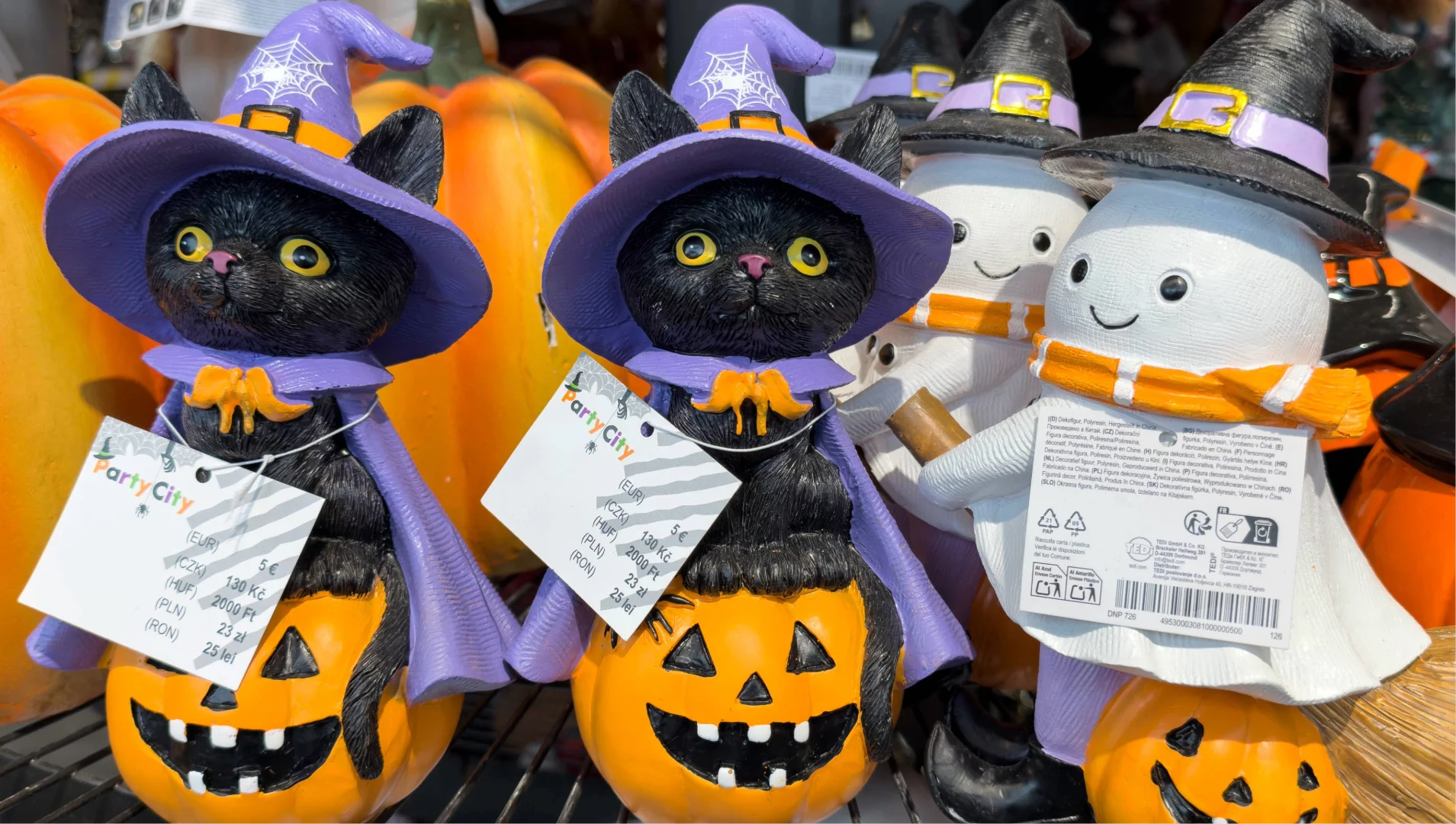
Source image: inc.com
inc.comOverview of Record Halloween Spending
According to a new survey, total consumer expenditure on Halloween is projected to reach an all-time high of $13.5 billion. This milestone underscores the remarkable resilience of seasonal retail spending, demonstrating that consumers remain willing to allocate capital to festive traditions even during periods of economic uncertainty and rising household costs.
The Impact of Inflation in the Candy Aisle
Despite the record-breaking overall expenditure figures, the shopping experience reveals a stark underlying narrative regarding inflation. Shoppers are encountering significantly higher prices in the candy aisle, translating to a scenario where consumers are paying more while receiving notably less product volume and value for their money. This divergence between total spending and actual purchasing power illustrates the pervasive impact of pricing pressures on everyday seasonal goods.
Why This Trend Matters for Business Leaders
For executives and entrepreneurs, these survey findings offer critical insights into consumer behavior and pricing elasticity. When essential seasonal items experience steep price increases, consumer sentiment can become strained, forcing shoppers to reallocate their budgets. Understanding how shoppers navigate these inflated costs is vital for anticipating shifts in demand and maintaining brand loyalty in competitive retail environments.
Broader Market Implications
The dichotomy between record aggregate spending and reduced product value carries several implications for the broader retail and manufacturing markets:
- Margin Pressures: Manufacturers and retailers must balance rising input costs against consumer pushback on expensive everyday items like candy.
- Spending Shifts: Consumers may reallocate portions of their holiday budgets away from inflated food items toward non-perishable decor or costumes.
- Retail Strategy: Merchandising teams need to recalibrate pricing strategies and promotional offers to sustain volume during key seasonal windows.
What Executives and Investors Should Watch
As the holiday season progresses, stakeholders should closely monitor retail performance metrics and inventory turnover rates. Key indicators to watch include profit margins for major confectionery manufacturers, consumer sentiment indices regarding grocery and holiday goods, and potential shifts in promotional discounting strategies. Observing these factors will provide a clearer picture of how persistent inflation continues to shape discretionary consumer spending habits moving forward.
For further details on this report, read the original coverage at Inc.
Continue reading
Related coverage in Leadership
inc.com
Tate McRae Enters the Fragrance Market with Broad Trademark Strategy
Singer Tate McRae is expanding into the fragrance industry with a trademark that extends well beyond perfume, signaling ambitious multi-category brand growth ahead.
2 min read
inc.com
Oheka Castle Heads to Bankruptcy Auction with Strict Terms for Prospective Buyers
Famed Long Island estate Oheka Castle prepares for a Chapter 11 bankruptcy auction, requiring its next buyer to honor booked events extending all the way into 2028.
3 min read
inc.com
Evaluating Leadership Effectiveness: The Daily Question That Matters More Than Your Title
Discover how a single daily self-reflection question can redefine your leadership effectiveness and outperform traditional titles in driving organizational success.
3 min read
inc.com
Tesla Workplace Culture Put to the Test as Employee Complaints Spark Broad Leadership Debate
Tesla's workplace culture faces severe scrutiny, highlighting a critical leadership test regarding psychological safety and how organizations respond to employee complaints.
2 min read