Gen-Z Job Seekers Reject Recruiter Claims That Iced Coffee Signals Unprofessionalism
A viral debate over iced coffee in job interviews highlights a widening cultural divide between traditional recruiters and Gen-Z candidates over professional norms.
Source image: inc.com
inc.comThe Iced Coffee Debate in Modern Hiring
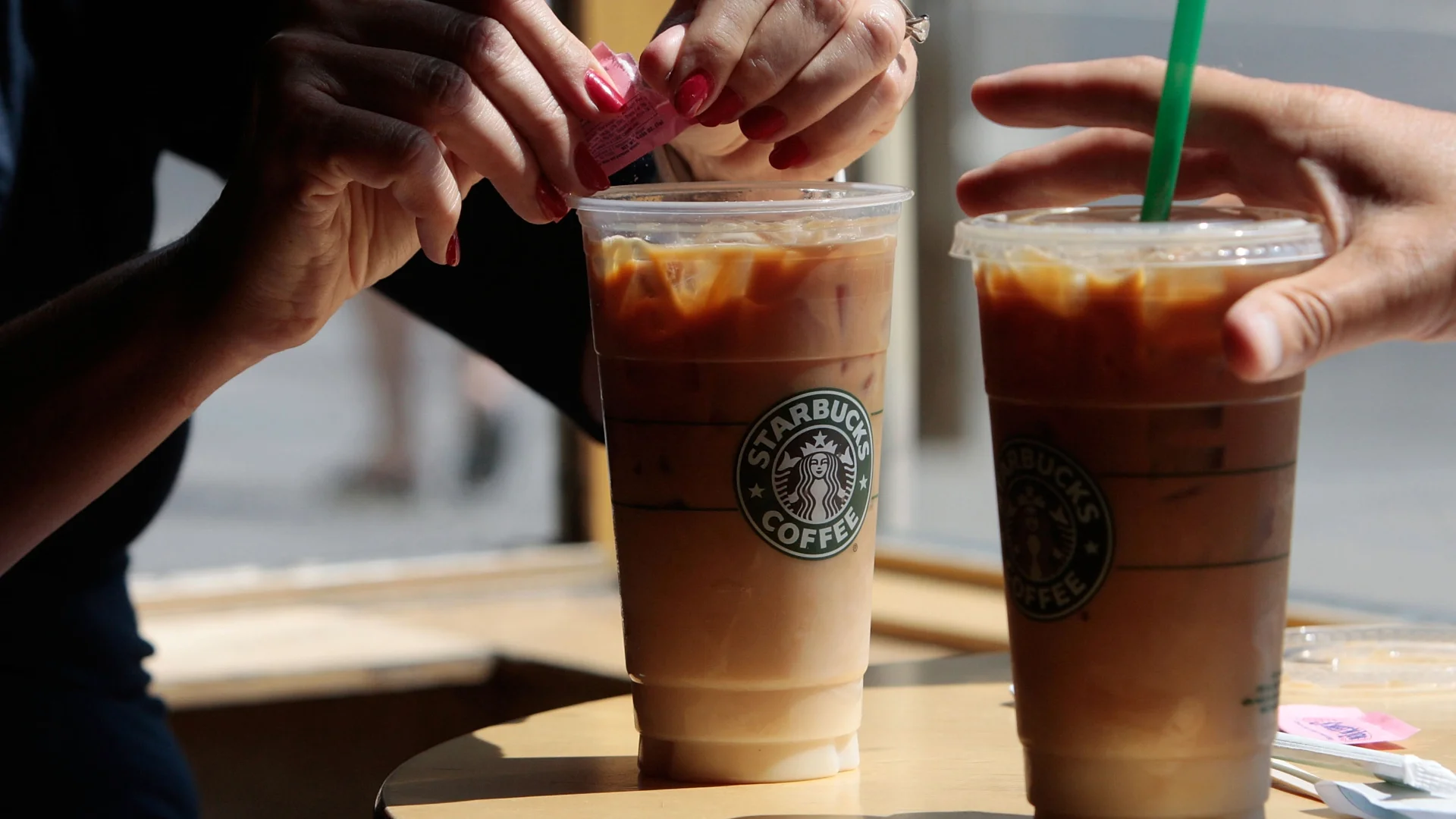
A recent cultural flashpoint in the recruitment space has ignited a fierce debate between traditional corporate evaluators and younger job seekers. The controversy began when a recruiter publicly claimed that bringing an iced coffee to a job interview signals poor judgment and makes candidates look overly casual. This perspective treats the beverage as a distraction that undermines a candidate's professional presentation during a critical first impression.
However, Gen-Z job seekers have pushed back swiftly and vocally against this assertion. Younger professionals argue that focusing on beverage choices is an archaic, superficial metric that has zero correlation with job performance, capability, or productivity. For this demographic, iced coffee is an everyday lifestyle habit rather than a statement on professional seriousness, leading to friction as traditional hiring standards collide with contemporary norms.
Why This Cultural Clash Matters for Leadership
For executives, founders, and hiring managers, this incident is much more than a viral social media disagreement; it is a symptom of a deeper culture gap in the modern workforce. Leadership teams must recognize that rigid adherence to legacy etiquette can inadvertently alienate top-tier talent from younger generations who prioritize authenticity, flexibility, and merit over performative corporate conformity.
When organizations judge candidates on arbitrary visual markers rather than substantive qualifications, they risk missing out on high-performing innovators. Modern leadership requires an adaptable mindset that separates genuine behavioral red flags from harmless personal preferences.
Market Implications for Talent Acquisition
The evolving expectations around workplace professionalism carry significant implications for talent acquisition strategies:
- Candidate Experience: Companies perceived as overly rigid or obsessed with trivial optics may struggle to attract sought-after Gen-Z and millennial talent.
- Employer Branding: Recruitment processes that emphasize outdated dress codes and unwritten behavioral rules can severely damage a company's brand reputation online.
- Interviewer Training: HR departments must retrain hiring managers to focus structured interviews strictly on competency, problem-solving, and cultural add rather than subjective biases.
What Executives and Investors Should Watch
As the workforce continues to decentralize and modernize, stakeholders should monitor several key trends:
First, observe how progressive companies update their recruitment guidelines to foster inclusivity and reduce interviewer bias. Second, track the evolution of employer branding strategies as firms attempt to balance professional standards with the relaxed expectations of younger workers. Ultimately, organizations that successfully modernize their evaluation criteria will secure a distinct competitive advantage in acquiring top-tier modern talent.
Continue reading
Related coverage in Leadership
inc.com
Tate McRae Enters the Fragrance Market with Broad Trademark Strategy
Singer Tate McRae is expanding into the fragrance industry with a trademark that extends well beyond perfume, signaling ambitious multi-category brand growth ahead.
2 min read
inc.com
Oheka Castle Heads to Bankruptcy Auction with Strict Terms for Prospective Buyers
Famed Long Island estate Oheka Castle prepares for a Chapter 11 bankruptcy auction, requiring its next buyer to honor booked events extending all the way into 2028.
3 min read
inc.com
Evaluating Leadership Effectiveness: The Daily Question That Matters More Than Your Title
Discover how a single daily self-reflection question can redefine your leadership effectiveness and outperform traditional titles in driving organizational success.
3 min read
inc.com
Tesla Workplace Culture Put to the Test as Employee Complaints Spark Broad Leadership Debate
Tesla's workplace culture faces severe scrutiny, highlighting a critical leadership test regarding psychological safety and how organizations respond to employee complaints.
2 min read