Gen-Z Job Seekers Clash With Recruiters Over Iced Coffee Culture and Professionalism
A viral recruiter claim that iced coffee makes job candidates appear too casual has sparked intense pushback from Gen-Z professionals, igniting a broader debate on modern workplace norms.
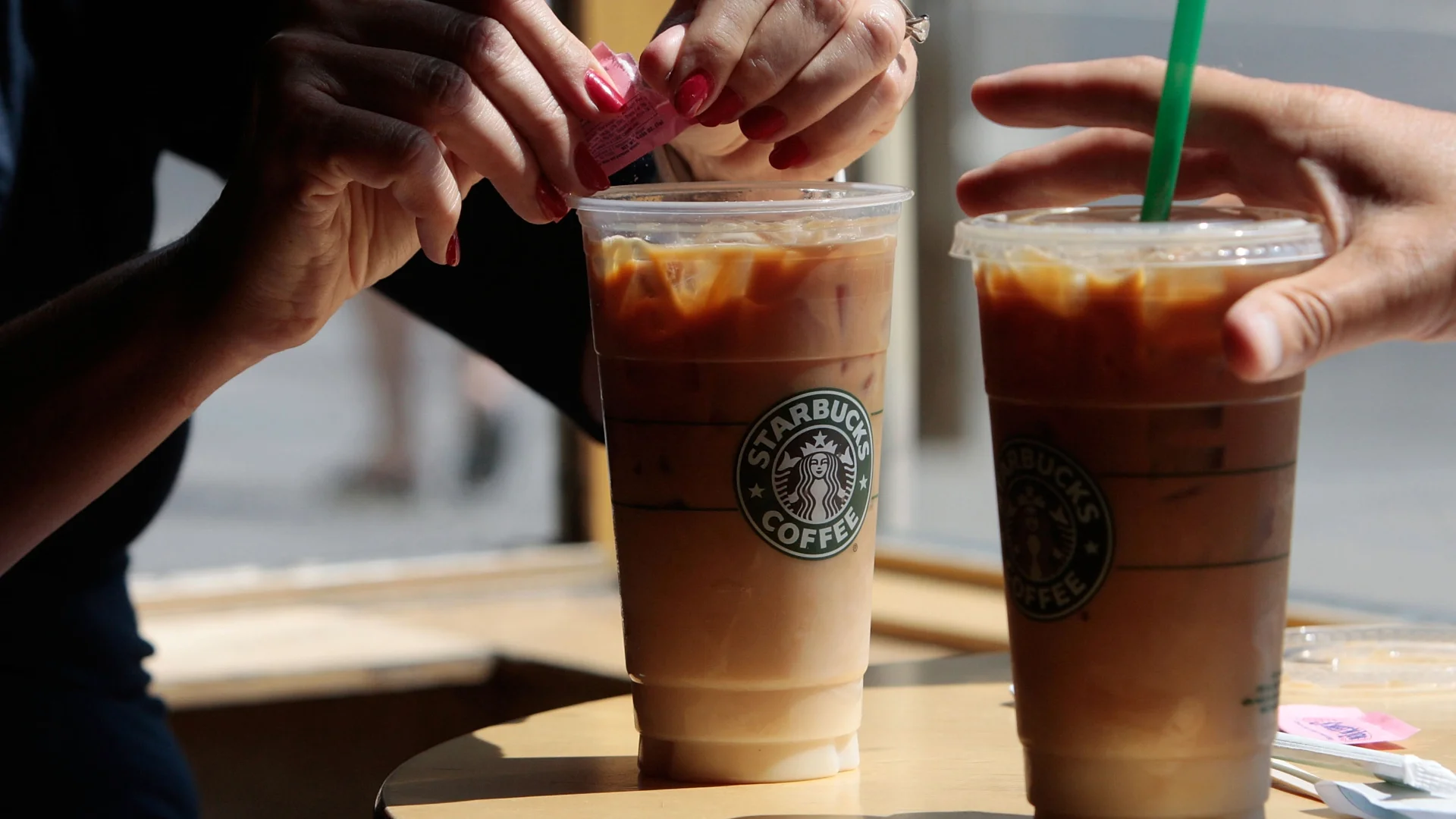
Source image: inc.com
inc.comThe Iced Coffee Debate Sparking Workplace Culture Wars
A recent controversy in the recruitment sector has ignited a fierce debate over what constitutes professional behavior during job interviews. A recruiter publicly asserted that job candidates who bring iced coffee to an interview risk appearing too casual, interpreting the beverage choice as a potential sign of poor judgment or a lack of serious intent. This perspective immediately drew sharp criticism online, with Gen-Z job seekers and younger professionals pushing back aggressively against what they perceive as archaic and arbitrary dress codes and behavioral expectations.
For young professionals entering the workforce, iced coffee is not merely a beverage; it is a ubiquitous lifestyle staple. Critics of the recruiter's stance argue that evaluating a candidate's professional capability based on their choice of refreshment represents a misplaced priority. As labor markets continue to evolve, this minor cultural flashpoint has opened up a much larger conversation about the rigid standards historically enforced by corporate gatekeepers versus the pragmatic, outcome-oriented mindset valued by younger generations.
Why This Generational Friction Matters for Executives
For executive leadership and hiring managers, this incident is more than just social media fodder—it is a symptom of a deeper disconnect in talent acquisition. As generational demographics shift within the global workforce, organizational culture is under intense scrutiny. Executives must recognize that top-tier talent, particularly among younger cohorts, increasingly favors authentic, inclusive, and flexible work environments over rigid corporate conformity.
When recruiters enforce superficial rules that penalize candidates for trivial habits, companies risk alienating high-potential applicants. In a competitive labor market where employer branding is critical, projecting an image of inflexibility can severely harm a company's ability to attract innovative talent. Executives need to ensure that their recruitment teams evaluate candidates on substantive criteria—such as problem-solving skills, emotional intelligence, and technical expertise—rather than superficial adherence to outdated etiquette.
Market Implications for Recruitment and Employer Branding
The clash over iced coffee carries several direct implications for the recruitment industry and corporate human resources strategies:
- Shift in Talent Evaluation: Human resources departments are under pressure to retrain interviewers to focus purely on competency and cultural addition rather than cultural conformity.
- Employer Brand Vulnerability: Companies whose recruiters are perceived as out-of-touch or overly judgmental on social media platforms risk immediate public backlash, damaging their corporate reputation.
- Rise of Alternative Hiring Channels: Frustrated by traditional and rigid interview gatekeeping, candidates may increasingly gravitate toward progressive organizations that emphasize transparency and modern values.
What Investors and Entrepreneurs Should Watch
For investors and entrepreneurs building high-growth companies, workplace culture is a primary driver of retention and productivity. Market participants should monitor several key trends moving forward:
Entrepreneurs must audit their hiring pipelines to ensure that unconscious bias and arbitrary standards do not filter out exceptional candidates. Training hiring managers to look past superficial elements is crucial for building diverse, resilient teams. Meanwhile, investors should evaluate how well portfolio companies adapt to modern workforce expectations, as firms with rigid, legacy management styles are increasingly vulnerable to high employee turnover and recruitment friction. Ultimately, companies that prioritize substance over style will win the war for modern talent.
For further details on this developing workplace story, read the original report on Inc.
Continue reading
Related coverage in Entrepreneurship
inc.com
Tate McRae Expands Into Fragrance and Beyond With Strategic Trademark Filing
Pop star Tate McRae is officially entering the fragrance industry, with comprehensive trademark filings pointing to a much broader brand expansion strategy ahead.
3 min read
inc.com
Oheka Castle Enters Bankruptcy Auction With Strict Event Obligations Through 2028
The iconic Long Island estate Oheka Castle is heading to a Chapter 11 bankruptcy auction, bringing its hotel operations, development rights, and booked events into play.
3 min read
inc.com
The Single Daily Question That Defines True Leadership Effectiveness
Discover how a simple daily self-reflection question can reveal more about your true leadership impact than any executive title or corporate ranking ever could.
2 min read
inc.com
Tesla Workplace Culture Put on Trial: What Employee Complaints Mean for Executive Leadership
Tesla's workplace culture faces severe scrutiny, highlighting a critical leadership test regarding psychological safety and how companies handle employee complaints.
2 min read