End of an Era: America's Pioneer Brewpub Closes as Craft Beer Faces Steep Market Pressures
Triple Rock Brewery & Alehouse, one of America's oldest continuously operating brewpubs, is closing after 40 years as the craft-beer sector navigates a deep industry downturn.
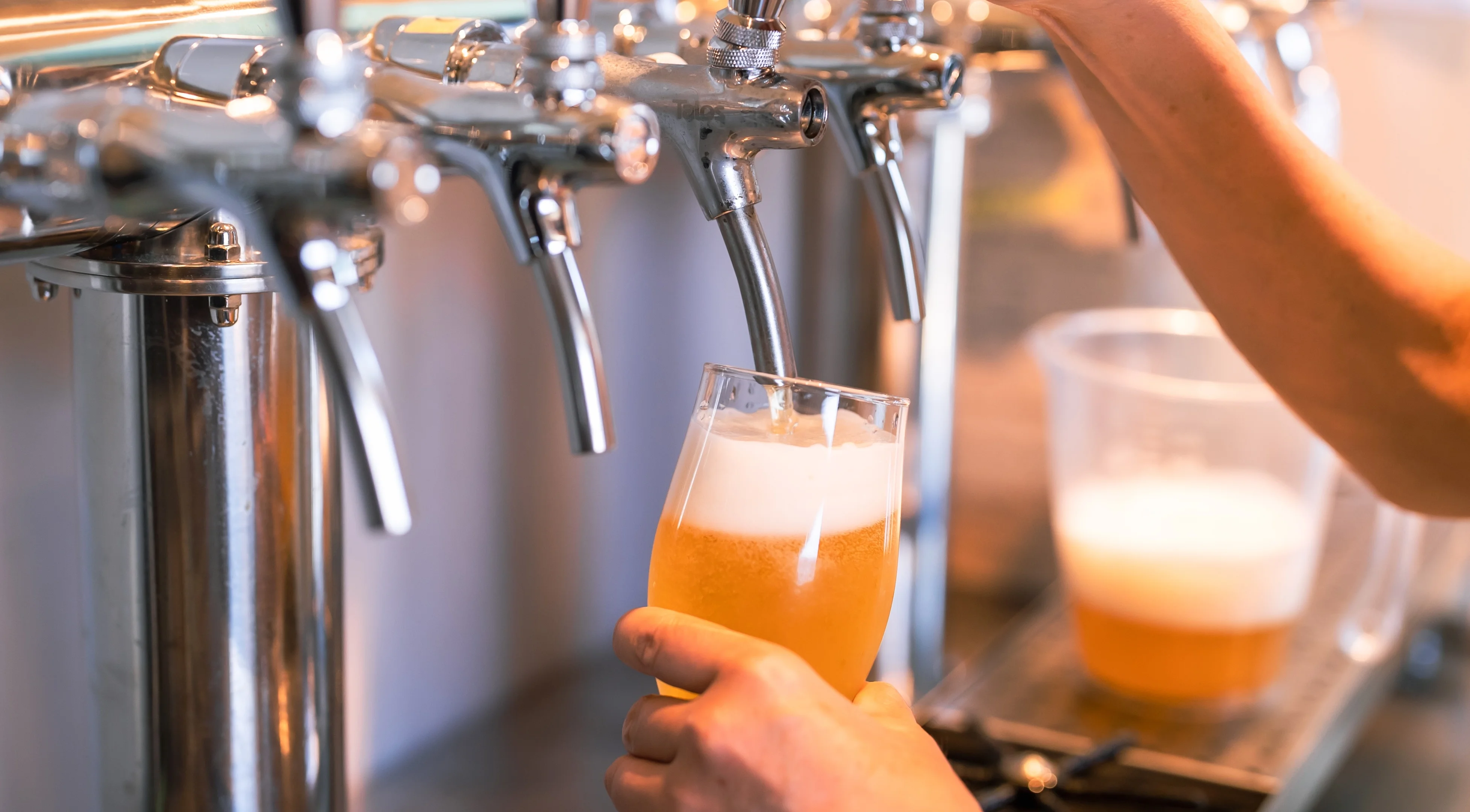
Source image: inc.com
inc.comThe End of a Craft Beer Pioneer
After four decades of serving as a cornerstone of the American craft-beer movement, Triple Rock Brewery & Alehouse is shutting its doors. Founded in Berkeley, California, on March 14, 1986, by brothers John and Reid Martin when they were in their twenties, the establishment earned its place in history as one of the oldest continuously operating brewpubs in the United States. Opening shortly after Prohibition, the founders frequently had to educate early patrons on the very concept of a brewpub—a bar that brews its own beer on-site—at a time when mass-produced industrial lagers dominated the market.
Over its remarkable 40-year run, Triple Rock brewed 5,884 batches, translating to more than 41,000 barrels or 10 million pints. Beyond its production footprint, the venue became a deeply rooted community staple, hosting generations of university students, local residents, and visitors for celebratory gatherings and everyday conversations.
Broader Pressures on the Craft-Beer Industry
While the Martin brothers' decision to close is driven by personal readiness to retire and step away from day-to-day operations, the timing underscores a critical inflection point for the wider sector. The American craft-beer industry is currently experiencing a historic contraction after decades of rapid expansion. Data from the Brewers Association reveals that closures are rapidly outpacing new market entrants. In 2025 alone, 481 craft breweries closed while only 300 opened, a trend that persisted into 2026 with volume dropping an estimated 4 percent and operating breweries declining 1.8 percent year-over-year.
Market Implications for Independent Producers
The contraction of legacy institutions and independent operators highlights deep structural shifts in the beverage market. Key implications include:
- Oversaturation and Changing Tastes: Consumer preferences are shifting, putting pressure on traditional taprooms and mature independent brands to constantly innovate or find niche positioning.
- Rising Operational Costs: Independent brewers face persistent margin compression due to fluctuating raw material expenses, labor costs, and distribution hurdles.
- Consolidation Waves: As smaller players struggle with debt or generational succession—similar to the challenges faced by long-standing founders—market consolidation is accelerating.
What Executives and Investors Should Watch
For entrepreneurs, investors, and industry executives, the closure of a foundational institution like Triple Rock serves as a bellwether. Stakeholders should closely monitor upcoming quarterly volume reports from the Brewers Association, shifts in consumer beverage choices toward alternative non-alcoholic or ready-to-drink options, and how independent breweries handle succession planning and real estate monetization as older generations of founders exit the market.
For further details on this developing story, read the original report on Inc.
Continue reading
Related coverage in Leadership
inc.com
Tate McRae Enters the Fragrance Market with Broad Trademark Strategy
Singer Tate McRae is expanding into the fragrance industry with a trademark that extends well beyond perfume, signaling ambitious multi-category brand growth ahead.
2 min read
inc.com
Oheka Castle Heads to Bankruptcy Auction with Strict Terms for Prospective Buyers
Famed Long Island estate Oheka Castle prepares for a Chapter 11 bankruptcy auction, requiring its next buyer to honor booked events extending all the way into 2028.
3 min read
inc.com
Evaluating Leadership Effectiveness: The Daily Question That Matters More Than Your Title
Discover how a single daily self-reflection question can redefine your leadership effectiveness and outperform traditional titles in driving organizational success.
3 min read
inc.com
Tesla Workplace Culture Put to the Test as Employee Complaints Spark Broad Leadership Debate
Tesla's workplace culture faces severe scrutiny, highlighting a critical leadership test regarding psychological safety and how organizations respond to employee complaints.
2 min read