Elizabeth Holmes Set for 2027 Halfway House Move: What Investors Need to Know
Theranos founder Elizabeth Holmes is slated to move to an Austin halfway house in 2027, with her federal prison sentence extending through 2030. Here is an analysis of the broader impact.
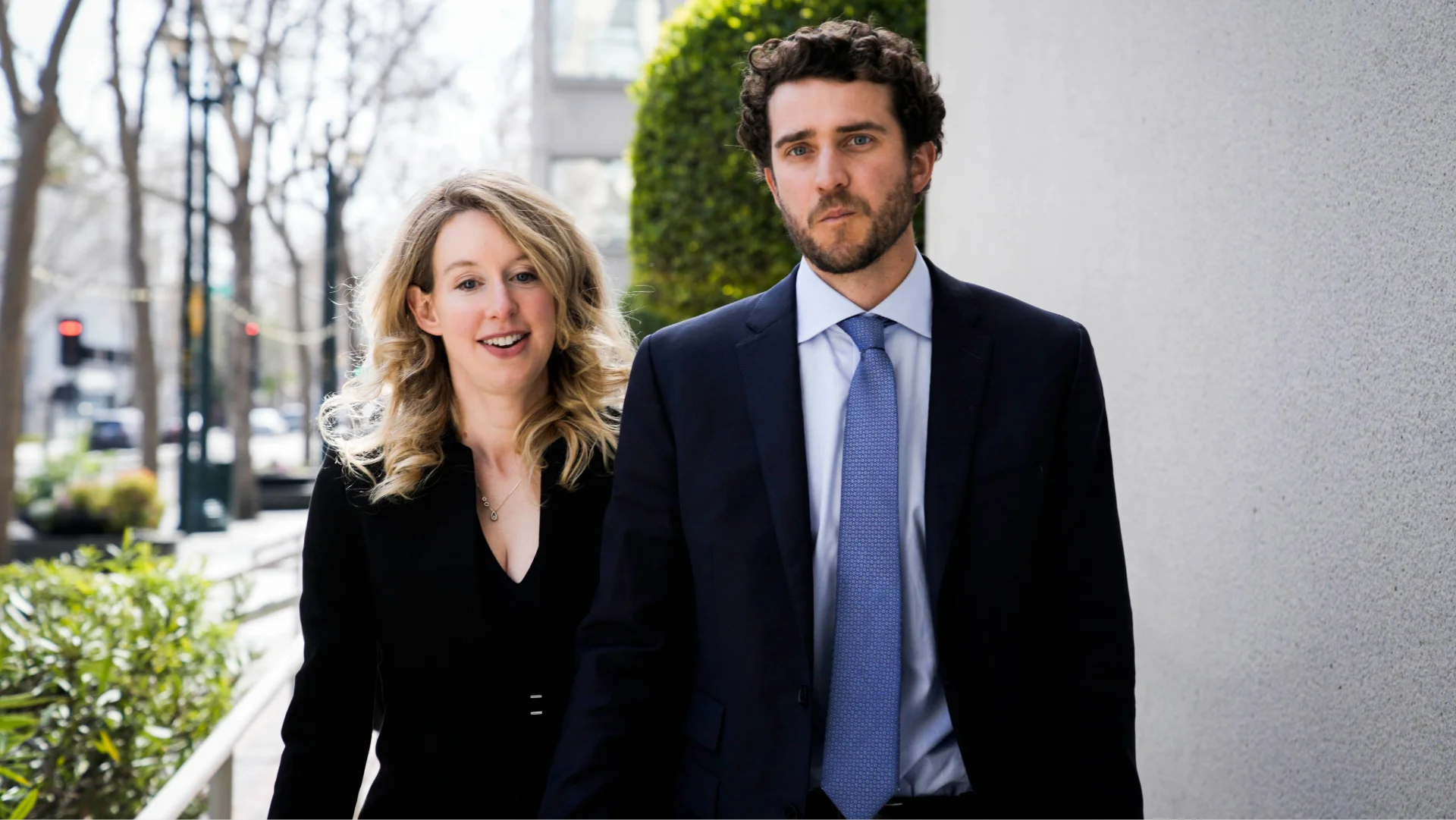
Source image: inc.com
inc.comIntroduction to the Transition
Elizabeth Holmes, the founder of the defunct blood-testing startup Theranos, is scheduled to leave federal prison and move to a halfway house near Austin, Texas, next summer. Three years after reporting to prison following her conviction for cheating investors in a massive corporate fraud scheme, this transition marks her next phase of custody. However, her federal sentence remains active and is officially set to run until 2030.
What Happened
Holmes built Theranos into a Silicon Valley darling, promising revolutionary blood-testing technology that could run numerous tests using only a few drops of blood. The company raised hundreds of millions of dollars from high-profile investors and achieved a staggering valuation before investigative reporting and regulatory scrutiny revealed that the core technology did not work as claimed. Holmes was subsequently convicted of wire fraud and conspiracy, leading to a lengthy federal prison sentence.
Why It Matters
For the entrepreneurial and venture capital communities, the ongoing saga of Elizabeth Holmes serves as a perpetual case study in governance, ethics, and accountability. Key takeaways include:
- The Illusion of Disruption: The case highlights the dangers of the 'fake it till you make it' culture, especially in high-stakes sectors like healthcare and biotechnology where public safety and accurate data are paramount.
- Board Oversight: It underscores the critical importance of independent board oversight and active skepticism, preventing charismatic founders from bypassing standard technical validation.
Market Implications
In the wake of the Theranos scandal, venture capital firms and institutional investors instituted much stricter due diligence protocols, particularly within the health-tech and diagnostics sectors. Investors now demand robust peer-reviewed data, transparent clinical trials, and independent verification before committing capital to medical innovations. This shift has created a healthier, more accountable market environment, though it has also increased the hurdles for early-stage founders attempting to commercialize breakthrough science.
What Readers Should Watch
As Holmes prepares for her move to the Austin halfway house, stakeholders across the business ecosystem should monitor several ongoing trends:
- The evolution of founder accountability laws and white-collar sentencing guidelines.
- Stricter compliance and regulatory frameworks governing private biotech and diagnostics startups.
- The lasting cultural shift in Silicon Valley regarding hype versus tangible scientific delivery.
Ultimately, while Holmes's physical custody status is changing, the structural changes her downfall triggered in venture capital and startup governance will continue to shape the investment landscape for years to come.
Continue reading
Related coverage in Entrepreneurship
inc.com
Tate McRae Expands Into Fragrance and Beyond With Strategic Trademark Filing
Pop star Tate McRae is officially entering the fragrance industry, with comprehensive trademark filings pointing to a much broader brand expansion strategy ahead.
3 min read
inc.com
Oheka Castle Enters Bankruptcy Auction With Strict Event Obligations Through 2028
The iconic Long Island estate Oheka Castle is heading to a Chapter 11 bankruptcy auction, bringing its hotel operations, development rights, and booked events into play.
3 min read
inc.com
The Single Daily Question That Defines True Leadership Effectiveness
Discover how a simple daily self-reflection question can reveal more about your true leadership impact than any executive title or corporate ranking ever could.
2 min read
inc.com
Tesla Workplace Culture Put on Trial: What Employee Complaints Mean for Executive Leadership
Tesla's workplace culture faces severe scrutiny, highlighting a critical leadership test regarding psychological safety and how companies handle employee complaints.
2 min read