Draymond Green’s Leadership Playbook: How Entrepreneurs Can Outperform Successors
Stepping into a superstar's shoes? Discover Draymond Green's counterintuitive leadership strategy to avoid direct comparisons and drive business growth.
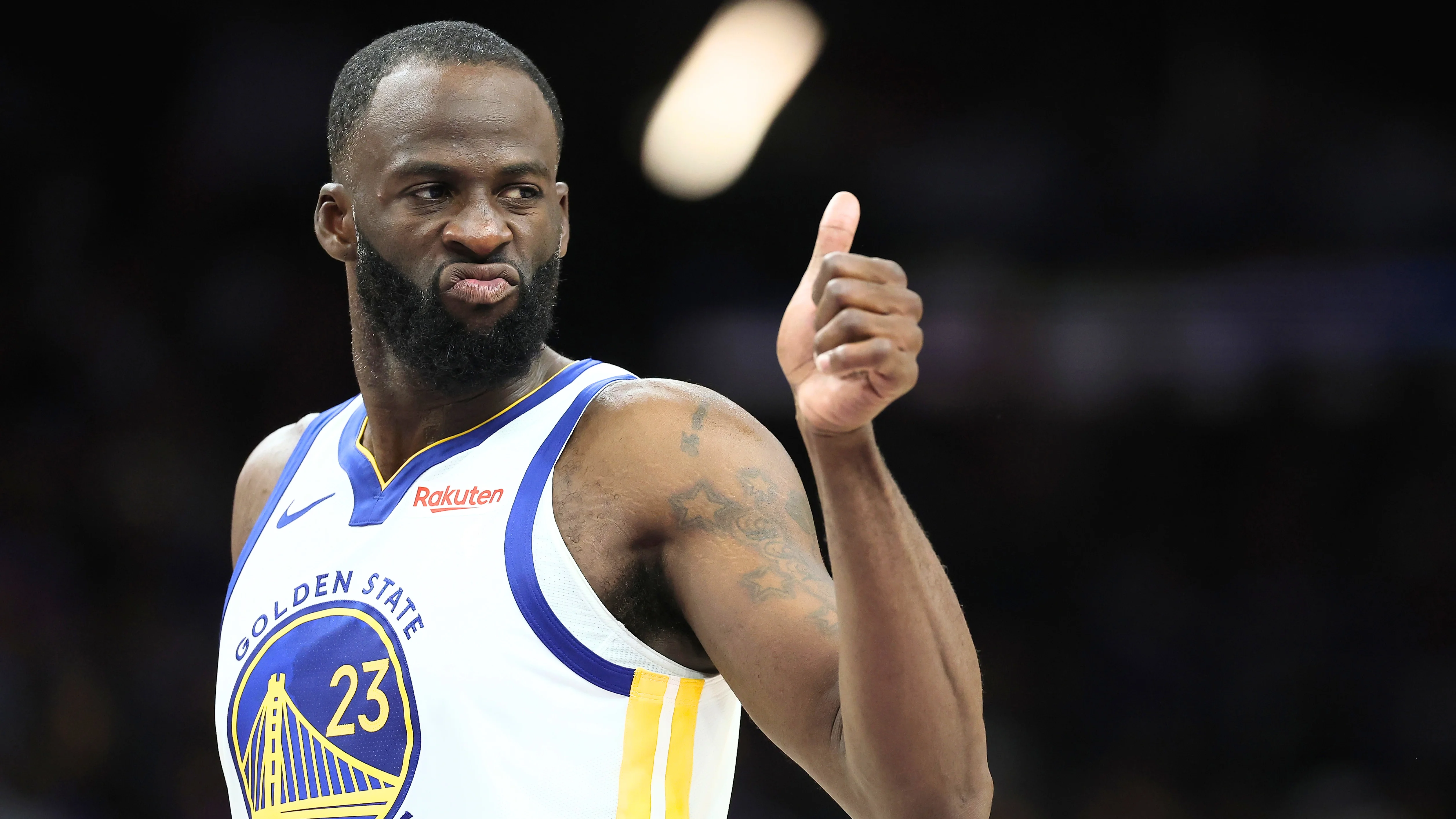
Source image: inc.com
inc.comIntroduction: The Trap of Following a Legend
For entrepreneurs, executives, and business leaders, stepping into an established role after a high-performing superstar departure is a daunting challenge. The natural pressure is to maintain the exact status quo, match historical performance benchmarks, and mirror the predecessor's public persona. However, striving for an identical trajectory often sets a leader up for unfair scrutiny and avoidable operational friction. Drawing lessons from elite sports performance, specifically the tactical mindset of Draymond Green, reveals a superior alternative for modern business strategy.
The Counterintuitive Strategy: Breaking the Apples-to-Apples Comparison
The core insight behind navigating a high-stakes transition is to actively prevent stakeholders, investors, and boards from making direct, apples-to-apples comparisons. If a new executive attempts to execute the exact same playbook as a legendary predecessor, every minor deviation or variance in output will be heavily scrutinized as a deficiency. Instead, the focus must shift toward redefining the operational scope.
Key elements of this approach include:
- Redefining Core Metrics: Shifting attention away from the predecessor's specific scorecard to a broader, highly complementary set of Key Performance Indicators (KPIs).
- Capitalizing on Blind Spots: Identifying areas where the previous superstar under-indexed and turning those operational gaps into your primary domain of expertise.
- Establishing Unrivaled Utility: Becoming indispensable through unique structural contributions rather than surface-level mimicry.
Market Implications for Executives and Investors
In the broader corporate landscape, leadership transitions carry immense market risk. When a founder or an iconic CEO steps down, public markets and venture capitalists frequently experience valuation jitters. Executives who understand how to disrupt direct comparisons help stabilize market confidence.
From an investor perspective, organizations that successfully integrate a successor who brings a distinct operational profile often experience enhanced corporate resilience. Rather than fostering a culture of dependency on a single archetype, companies learn to diversify their leadership strengths, making them more adaptable to shifting macroeconomic conditions and competitive pressures.
What Readers Should Watch
As you evaluate leadership transitions within your own enterprise, portfolio companies, or competitive landscape, monitor the following indicators closely:
- Communication Shift: Observe whether the incoming leader attempts to adopt the predecessor's communication style or immediately establishes a distinct operational voice.
- Strategic Realignment: Look for deliberate shifts in resource allocation that highlight the successor's unique strengths rather than forcing them into an ill-fitting legacy mold.
- Stakeholder Alignment: Track how boards and key investors react when performance metrics are recalibrated to reflect the new leadership era.
Ultimately, embracing a counterintuitive approach to succession ensures that leadership transitions become catalysts for renewed innovation rather than exercises in perpetual, unwinnable comparison.
Original Source: Inc.
Continue reading
Related coverage in Entrepreneurship
inc.com
Tate McRae Expands Into Fragrance and Beyond With Strategic Trademark Filing
Pop star Tate McRae is officially entering the fragrance industry, with comprehensive trademark filings pointing to a much broader brand expansion strategy ahead.
3 min read
inc.com
Oheka Castle Enters Bankruptcy Auction With Strict Event Obligations Through 2028
The iconic Long Island estate Oheka Castle is heading to a Chapter 11 bankruptcy auction, bringing its hotel operations, development rights, and booked events into play.
3 min read
inc.com
The Single Daily Question That Defines True Leadership Effectiveness
Discover how a simple daily self-reflection question can reveal more about your true leadership impact than any executive title or corporate ranking ever could.
2 min read
inc.com
Tesla Workplace Culture Put on Trial: What Employee Complaints Mean for Executive Leadership
Tesla's workplace culture faces severe scrutiny, highlighting a critical leadership test regarding psychological safety and how companies handle employee complaints.
2 min read