Draymond Green's Counterintuitive Leadership Strategy for Successors
Discover how succeeding a superstar requires a counterintuitive leadership approach inspired by Draymond Green to prevent direct comparisons.
Source image: inc.com
inc.comThe Challenge of Succeeding a Superstar
In both professional sports and the corporate arena, stepping into a role previously occupied by an undeniable superstar creates immense pressure. Stakeholders, board members, and employees often expect a seamless continuation of the exact same style, pace, and output. However, attempting to directly mimic a predecessor who possesses a unique and heavily entrenched set of talents usually leads to organizational friction and perceived underperformance. The incoming leader faces an immediate credibility gap because the benchmark has been set by someone else's specific strengths.
The Counterintuitive Strategy: Redefining the Parameters
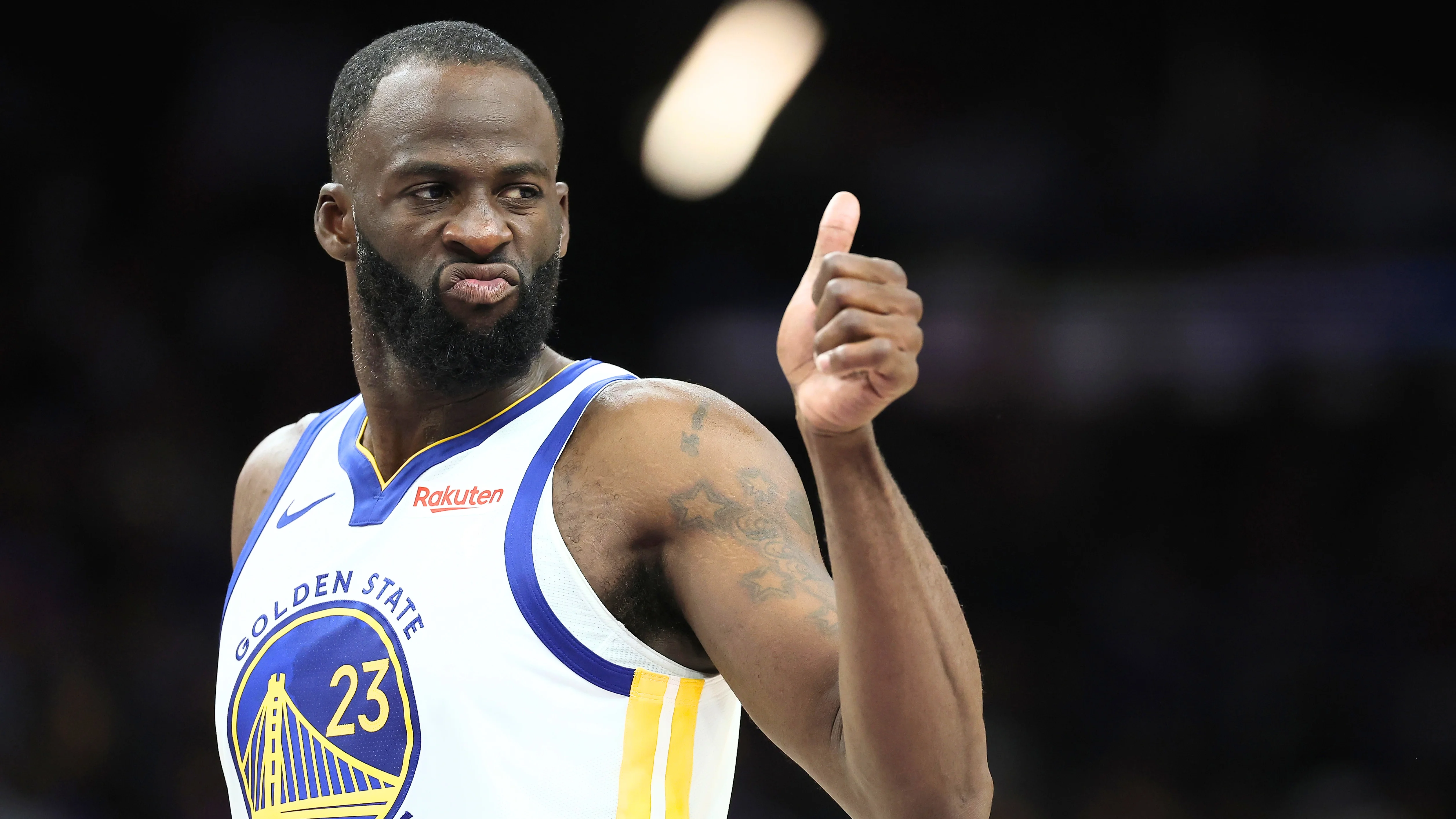
As highlighted by Draymond Green's unique career trajectory, the most effective response to this pressure is not trying to match the superstar point-for-point or metric-for-metric. Instead, the first and most critical step is to ensure that observers and stakeholders cannot make direct apples-to-apples comparisons. Leaders must alter the very job description of success. By focusing on complementary skills, defensive anchoring, facilitation, or cultural fortification, a successor shifts the evaluation criteria away from what the predecessor did best toward what the organization currently lacks.
Market Implications for Executive Transitions
For investors, entrepreneurs, and executive recruiters, this dynamic has profound implications for corporate governance and leadership continuity:
- Reduced Transition Risk: Companies that encourage successors to forge a unique path experience fewer disruptions during high-profile leadership changes.
- Skill Diversification: Organizations benefit more when a successor addresses overlooked operational gaps rather than attempting to clone a departed executive.
- Stakeholder Alignment: Clear communication from the board regarding the distinct mandate of the new leader prevents misaligned expectations among investors and employees.
What Executives and Investors Should Watch
As executive transitions accelerate across modern markets, decision-makers must monitor how incoming leaders establish their authority. Watch for whether a new leader attempts an unviable imitation of their predecessor or immediately moves to redefine their core value proposition. Companies whose boards support a differentiated leadership style are far more likely to retain institutional knowledge, foster authentic team cohesion, and sustain long-term enterprise value without being tethered to past ghosts. For further reading and context on this methodology, visit the original analysis at Inc.
Continue reading
Related coverage in Leadership
inc.com
Tate McRae Enters the Fragrance Market with Broad Trademark Strategy
Singer Tate McRae is expanding into the fragrance industry with a trademark that extends well beyond perfume, signaling ambitious multi-category brand growth ahead.
2 min read
inc.com
Oheka Castle Heads to Bankruptcy Auction with Strict Terms for Prospective Buyers
Famed Long Island estate Oheka Castle prepares for a Chapter 11 bankruptcy auction, requiring its next buyer to honor booked events extending all the way into 2028.
3 min read
inc.com
Evaluating Leadership Effectiveness: The Daily Question That Matters More Than Your Title
Discover how a single daily self-reflection question can redefine your leadership effectiveness and outperform traditional titles in driving organizational success.
3 min read
inc.com
Tesla Workplace Culture Put to the Test as Employee Complaints Spark Broad Leadership Debate
Tesla's workplace culture faces severe scrutiny, highlighting a critical leadership test regarding psychological safety and how organizations respond to employee complaints.
2 min read