DoorDash Settles With NYC for $131.5M: What Executives Need to Know
DoorDash has agreed to a massive $131.5 million settlement with New York City, leaving most drivers with less than $100. Explore the market and leadership implications.
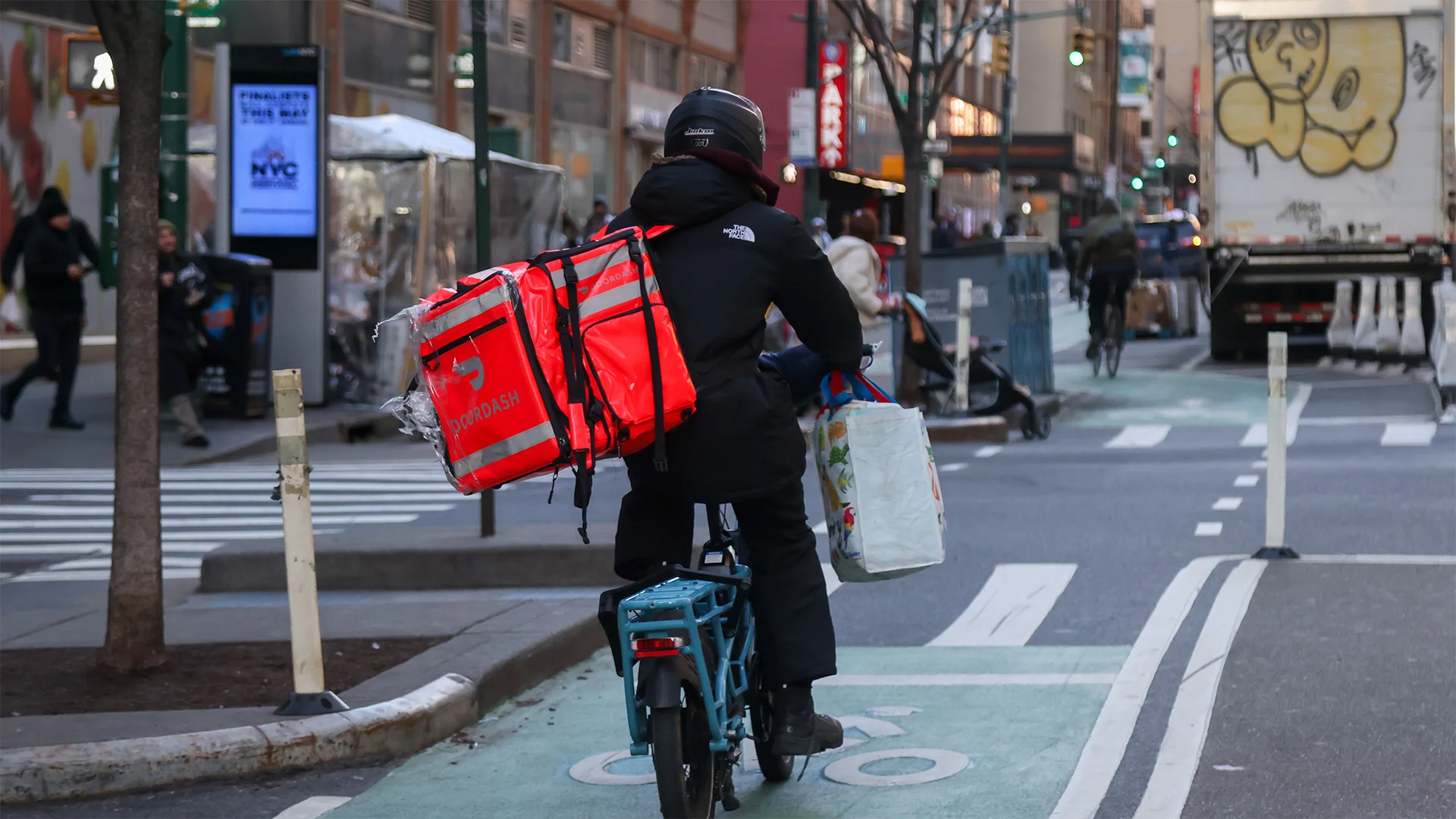
Source image: inc.com
inc.comOverview of the DoorDash Settlement
In a major development for the gig economy, food-delivery giant DoorDash has agreed to a substantial $131.5 million settlement with New York City’s Department of Consumer and Worker Protection. The resolution follows intensive scrutiny over labor practices, delivery worker compensation, and compliance with local regulations designed to protect independent contractors operating within the bustling metropolitan market.
While the headline figure of $131.5 million commands attention and underscores the severe financial exposure companies face when navigating municipal labor disputes, the distribution of funds reveals a stark contrast. Reports indicate that the median driver payment resulting from this multi-million dollar agreement will actually be less than $100 per worker, sparking conversations about the efficiency and direct benefit of large-scale regulatory settlements for individual contractors.
Why This Matters for Executives and Investors
For corporate leadership teams, investors, and startup entrepreneurs, this settlement is more than a localized legal footnote—it is a bellwether for the broader regulatory climate. The on-demand and gig economy models have long relied on flexibility and independent contractor classifications to scale rapidly. However, increased legislative and regulatory pushback in major urban centers like New York City demonstrates that compliance costs are rising sharply.
- Escalating Compliance Costs: Companies can no longer treat regulatory penalties as mere costs of doing business without impacting investor sentiment and valuation.
- Worker Relations: The disparity between the total settlement amount and the median payout to drivers highlights ongoing friction regarding equitable compensation in the gig sector.
- Precedent Setting: Municipal agencies across the country are closely watching New York City's enforcement strategies, potentially emboldening other cities to pursue similar legal and financial actions against delivery and ride-share platforms.
Market Implications for the Gig Economy
The financial markets are increasingly sensitive to regulatory headwinds facing platform-based business models. As enforcement actions grow more aggressive, profit margins for food delivery and logistics companies face continuous compression. To maintain profitability in the face of mounting legal liabilities, firms may be forced to restructure their pricing models, pass higher fees onto consumers, or alter how they allocate incentives and pay structures for drivers.
Furthermore, venture capitalists and institutional investors are adjusting their risk assessments for early-stage and growth-stage startups in the logistics space. Compliance infrastructure and legal foresight are now critical evaluation criteria during due diligence, shifting the focus from pure top-line growth to sustainable, compliant scaling.
What Readers Should Watch Moving Forward
As the aftershocks of this $131.5 million settlement reverberate through the market, stakeholders should monitor several key developments:
- Distribution Timelines: How efficiently the settlement funds are actually distributed to eligible New York City drivers by regulatory administrators.
- Legislative Replication: Whether other major metropolitan areas introduce stringent worker protection ordinances modeled after New York City's framework.
- Corporate Strategy Shifts: Potential changes in DoorDash’s operational strategy, lobbying efforts, and localized pricing models to mitigate future regulatory exposure.
Ultimately, the DoorDash settlement underscores a transformative era for leadership in the digital economy. Balancing rapid market expansion with rigorous labor compliance is no longer optional; it is a fundamental prerequisite for long-term viability and investor confidence.
Continue reading
Related coverage in Leadership
inc.com
Tate McRae Enters the Fragrance Market with Broad Trademark Strategy
Singer Tate McRae is expanding into the fragrance industry with a trademark that extends well beyond perfume, signaling ambitious multi-category brand growth ahead.
2 min read
inc.com
Oheka Castle Heads to Bankruptcy Auction with Strict Terms for Prospective Buyers
Famed Long Island estate Oheka Castle prepares for a Chapter 11 bankruptcy auction, requiring its next buyer to honor booked events extending all the way into 2028.
3 min read
inc.com
Evaluating Leadership Effectiveness: The Daily Question That Matters More Than Your Title
Discover how a single daily self-reflection question can redefine your leadership effectiveness and outperform traditional titles in driving organizational success.
3 min read
inc.com
Tesla Workplace Culture Put to the Test as Employee Complaints Spark Broad Leadership Debate
Tesla's workplace culture faces severe scrutiny, highlighting a critical leadership test regarding psychological safety and how organizations respond to employee complaints.
2 min read