DoorDash Reaches $131.5M Settlement With NYC: What Executives Need to Know
DoorDash has agreed to a massive $131.5 million settlement with New York City, raising critical questions about driver compensation and regulatory compliance.
Source image: inc.com
inc.comOverview of the DoorDash Settlement
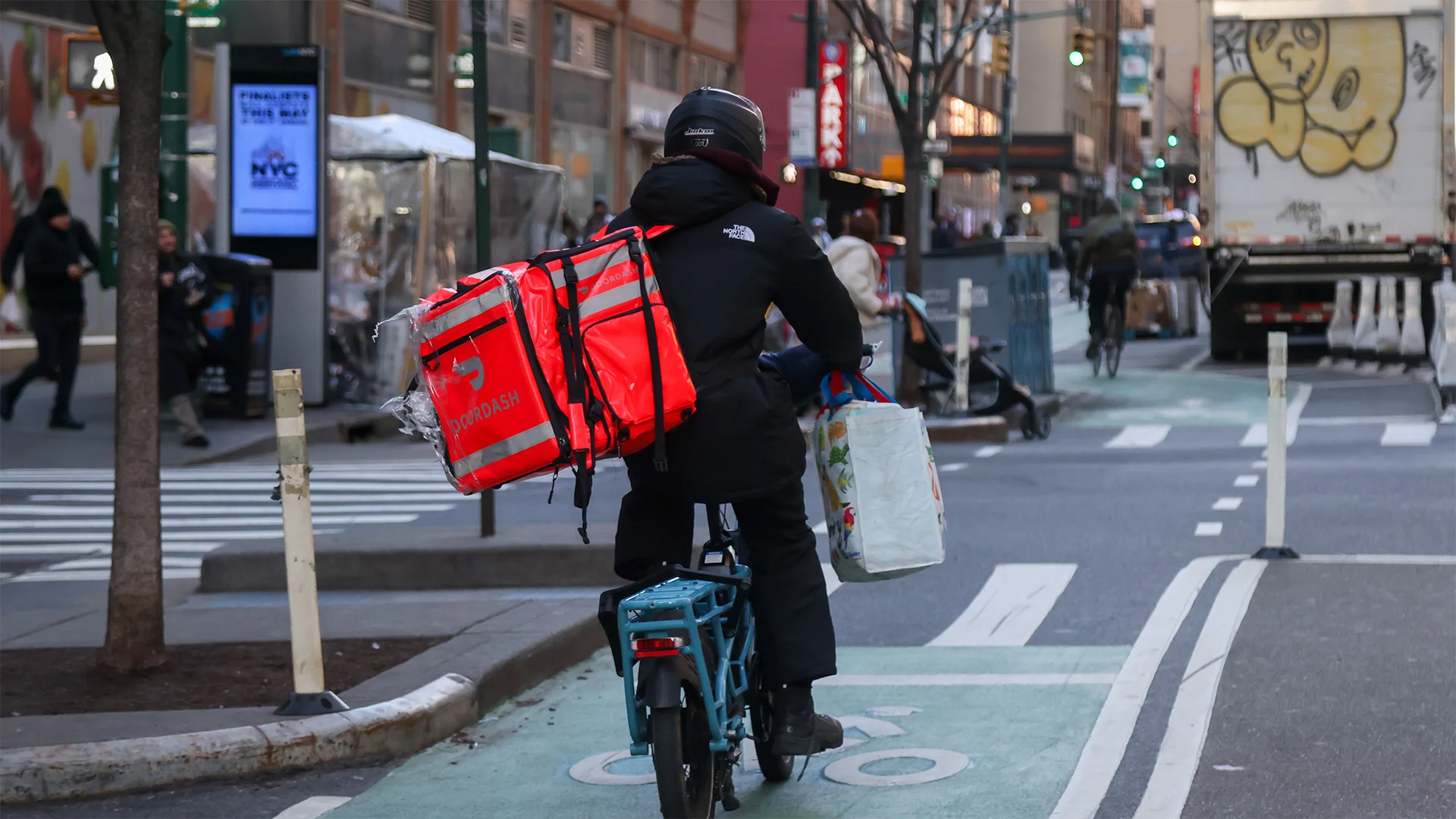
In a major development for the gig economy, food-delivery leader DoorDash has reached a landmark $131.5 million settlement with New York City’s Department of Consumer and Worker Protection. The resolution comes after a thorough regulatory review of the company's operating and compensation practices within the crucial New York market. While the headline figure of over $131 million represents a significant capital outlay for the corporation, detailed breakdowns indicate that the median driver payment will ultimately amount to less than $100 per individual worker, distributing the bulk of the overall penalty pool across a massive base of delivery couriers.
Why This Matters for Executives and Investors
For investors and executive leadership teams operating in the technology and platform sectors, this settlement serves as a stark reminder of the escalating costs tied to regulatory compliance. Municipal and state governments are increasingly scrutinizing how gig economy platforms manage labor, wages, and driver benefits. Key implications include:
- Increased Regulatory Friction: Cities are actively enforcing localized labor standards, creating a complex patchwork of compliance requirements for nationwide enterprises.
- Margin Compression: Large-scale financial settlements directly impact corporate profitability and alter unit economics across dense urban markets.
- Reputational and Operational Risk: Public disputes with municipal labor watchdogs can affect brand loyalty among both consumers and independent contractors.
Market Implications for the Gig Economy
The broader delivery and ride-sharing ecosystem is watching these developments closely. As regulatory frameworks tighten, companies may be forced to restructure their pricing models, pass higher costs onto consumers, or alter how driver earnings are calculated and displayed. Entrepreneurs building platform-based business models must now bake robust legal and regulatory compliance cushions into their early-stage financial projections to survive similar municipal scrutiny.
What Readers Should Watch
As this situation continues to unfold, stakeholders should monitor several key indicators:
- Distribution Timelines: How quickly and efficiently the settlement funds are distributed to the eligible drivers across New York City.
- Precedent for Other Cities: Whether other major metropolitan areas utilize this settlement as a blueprint to launch their own investigations or legal challenges against gig economy giants.
- Corporate Strategy Shifts: Any long-term modifications DoorDash implements regarding its worker onboarding, pay structures, and local compliance protocols.
Ultimately, the $131.5 million settlement underscores a new era of accountability for digital platforms, proving that regulatory compliance in urban markets remains one of the most critical operational hurdles for modern enterprises.
Continue reading
Related coverage in Entrepreneurship
inc.com
Tate McRae Expands Into Fragrance and Beyond With Strategic Trademark Filing
Pop star Tate McRae is officially entering the fragrance industry, with comprehensive trademark filings pointing to a much broader brand expansion strategy ahead.
3 min read
inc.com
Oheka Castle Enters Bankruptcy Auction With Strict Event Obligations Through 2028
The iconic Long Island estate Oheka Castle is heading to a Chapter 11 bankruptcy auction, bringing its hotel operations, development rights, and booked events into play.
3 min read
inc.com
The Single Daily Question That Defines True Leadership Effectiveness
Discover how a simple daily self-reflection question can reveal more about your true leadership impact than any executive title or corporate ranking ever could.
2 min read
inc.com
Tesla Workplace Culture Put on Trial: What Employee Complaints Mean for Executive Leadership
Tesla's workplace culture faces severe scrutiny, highlighting a critical leadership test regarding psychological safety and how companies handle employee complaints.
2 min read