Domino's Personal Pizza Launch Sparks Debate on Modern Convenience and Productivity
Domino's new customizable personal pizza highlights a broader cultural trend toward hyper-convenience, sparking debates on productivity and well-being.
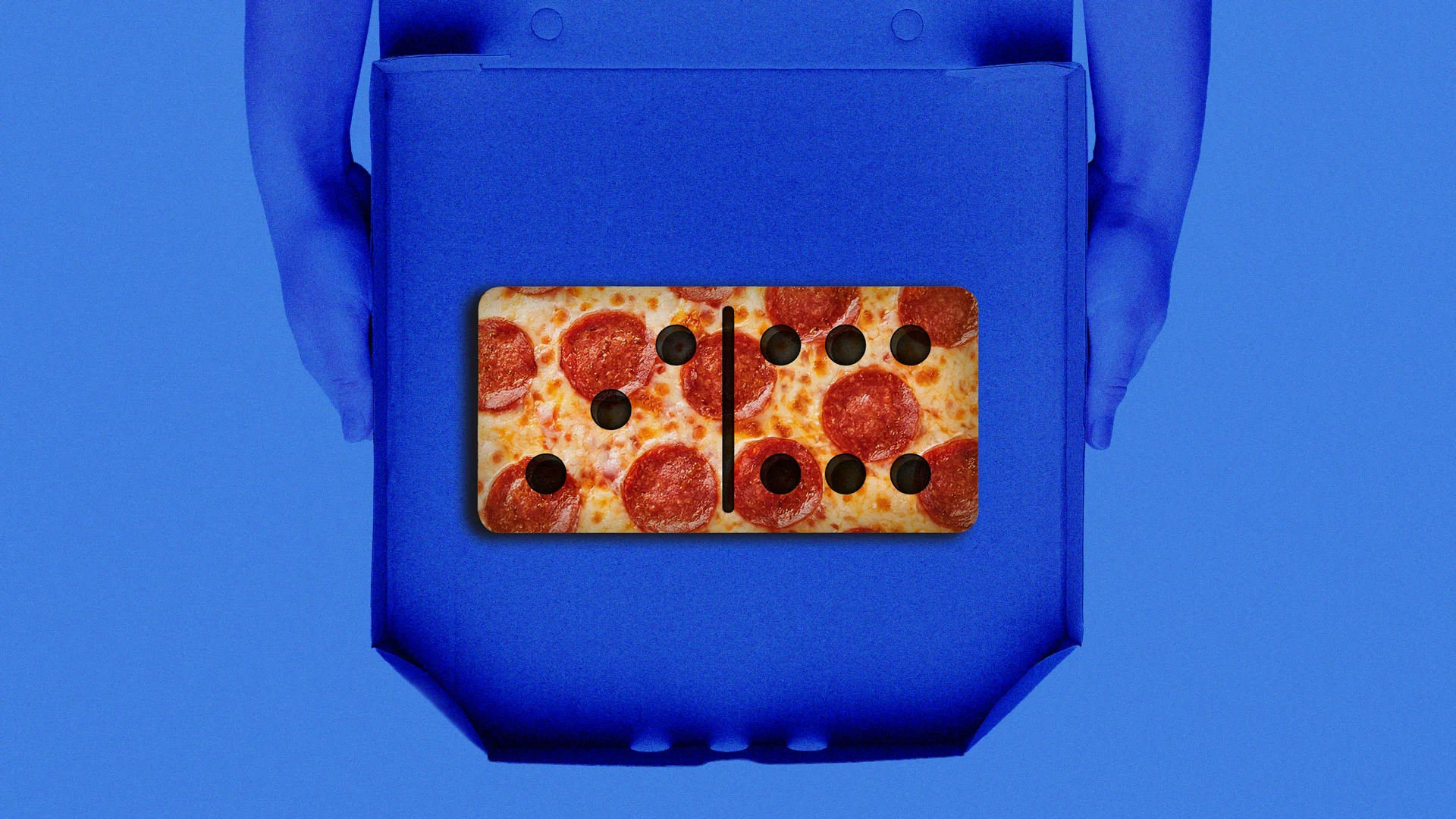
Source image: inc.com
inc.comIntroduction to the Trend
Domino's recent introduction of a customizable personal pizza has captured market attention not merely as a new menu item, but as a cultural flashpoint. While designed to appeal to busy consumers seeking quick, tailored meals, the offering has drawn scrutiny from analysts who view it as a symptom of a larger, systemic shift in consumer behavior. According to coverage originating from Inc. at Inc., this product embodies the pinnacle of modern hyper-convenience.
What Happened
The fast-food giant rolled out a new personal-sized pizza format that allows extensive customization, catering directly to single-person households and individuals eating on the go. While operationally efficient for Domino's and attractive to consumers seeking frictionless transactions, the product has been linked to broader discussions about isolation. The trend toward hyper-personalized, solitary consumption isolates individuals further from traditional shared experiences, shifting the dining paradigm entirely inward.
Why It Matters
For executives, investors, and entrepreneurs, this phenomenon transcends the fast-food sector. It highlights the tension between meeting immediate consumer demands for convenience and the potential long-term societal impacts of products that encourage isolation. Modern life increasingly optimizes for efficiency, often at the expense of community building and collaborative success. When products systematically cater to isolated routines, they can inadvertently foster environments that are less conducive to collective problem-solving and holistic well-being.
Market Implications
The market implications of the personal convenience economy are multifaceted:
- Consumer Packaged Goods (CPG): Brands continue to unbundle traditional family-sized products into single-serve formats to capture growing single-person household demographics.
- Shift in Brand Loyalty: Hyper-customization drives short-term transactional engagement, but it challenges long-term brand loyalty rooted in shared community experiences.
- The Counter-Trend: An emerging consumer segment actively seeks out communal, shared experiences as a direct antidote to digital and physical isolation, opening up niche opportunities for innovative entrepreneurs.
What Readers Should Watch
Investors and business leaders should monitor how consumer preferences evolve in response to hyper-convenience fatigue. Keep an eye on the following indicators:
- Shifts in demographic spending toward communal or shared dining concepts versus isolated convenience products.
- Corporate strategies balancing automation and frictionless service with community-driven engagement.
- Regulatory or cultural pushback regarding products that encourage sedentary, isolated lifestyles.
Ultimately, while Domino's new pizza is a clever tactical move for a major QSR brand, it serves as a valuable lens through which to examine the deeper structural changes shaping modern consumer markets and leadership strategies.
Continue reading
Related coverage in Leadership
inc.com
Tate McRae Enters the Fragrance Market with Broad Trademark Strategy
Singer Tate McRae is expanding into the fragrance industry with a trademark that extends well beyond perfume, signaling ambitious multi-category brand growth ahead.
2 min read
inc.com
Oheka Castle Heads to Bankruptcy Auction with Strict Terms for Prospective Buyers
Famed Long Island estate Oheka Castle prepares for a Chapter 11 bankruptcy auction, requiring its next buyer to honor booked events extending all the way into 2028.
3 min read
inc.com
Evaluating Leadership Effectiveness: The Daily Question That Matters More Than Your Title
Discover how a single daily self-reflection question can redefine your leadership effectiveness and outperform traditional titles in driving organizational success.
3 min read
inc.com
Tesla Workplace Culture Put to the Test as Employee Complaints Spark Broad Leadership Debate
Tesla's workplace culture faces severe scrutiny, highlighting a critical leadership test regarding psychological safety and how organizations respond to employee complaints.
2 min read